Graham Potter's Swedish Revival: A World Cup Statement
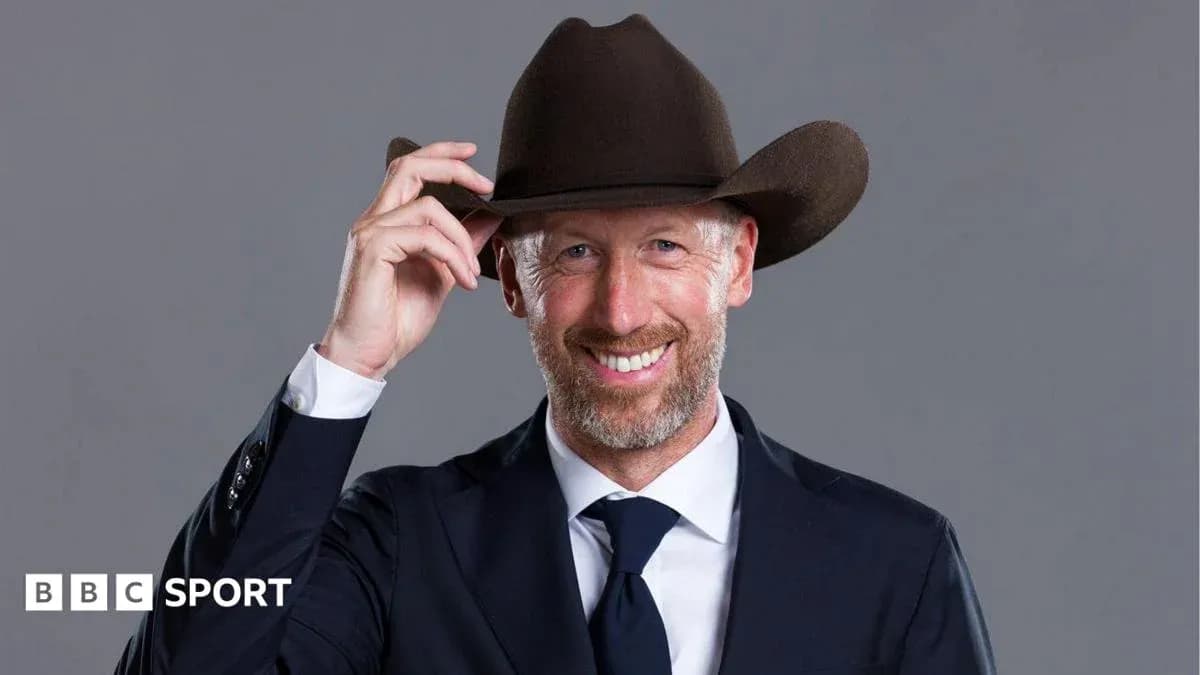
Graham Potter walked out to Sweden training in Texas last week wearing a Stetson. A joke, on the surface. A manager leaning into the World Cup setting, embracing the heat, the hats, the whole Texas theatre.
For some, it also looked like a costume for a man on borrowed time. Back‑to‑back sackings at Chelsea and West Ham had left him, in the harsher corners of English football, as the coach who had flown too close to the sun and been burnt twice.
In Monterrey, that narrative took a sharp hit.
At Estadio Monterrey, Sweden dismantled Tunisia 5-1 in Group F, a ruthless, controlled performance that announced both their return to the World Cup and Potter’s return to relevance. No gimmicks here. Just a team that looked like it had been built with care and conviction.
“We were optimistic because we felt confident in the work,” Potter said afterwards. “But until the game is played you don’t know for sure. That’s the beauty of sport.”
On this evidence, the work has been good.
From rock bottom to a five-goal statement
The numbers tell you how far Sweden have travelled in a short time. They scored four goals in the entire qualifying group stage under Jon Dahl Tomasson. They hit five in one night against Tunisia.
Tomasson’s reign had left Sweden marooned. Automatic qualification slipped away, then hope followed. They finished bottom of their group, behind Switzerland, Kosovo and Slovenia, without a single win in six games. For a proud football nation, it was a jolt.
Potter arrived in October, too late to rescue that campaign. Sweden’s path to this World Cup came via the back door, their Uefa Nations League ranking of 34 just enough to drag them into the play-offs. It was a lifeline for the federation, and for a coach whose reputation had been dented by two brutal Premier League spells.
He grabbed it.
Sweden edged past Ukraine, then Poland, to reach the tournament. Those games steadied the ship; this demolition of Tunisia suggested something more. A side not just relieved to be here, but ready to cause trouble.
Potter, rebuilt where it all began
This was never how Potter imagined this season going. He started it as West Ham head coach and was gone by late September, after just six wins in 23 Premier League matches. Before that, Chelsea had swallowed him whole. The job that was supposed to confirm his rise instead exposed every flaw, every uncertainty, in a squad and a club in constant flux.
By the end of his time in England, the Solihull-born coach looked worn down. Press conferences became prickly, the easy manner that had charmed Brighton and Ostersunds FK replaced by tight answers and a visible strain.
Sweden has given him oxygen.
This is the country where he truly learned his trade, taking Ostersunds from the fourth tier to the Allsvenskan, lifting the domestic cup and guiding them into Europe. Seven years of building, teaching, and adapting to a different football culture. Seven years that, as he has said, made him “feel very Swedish”.
Two of his children were born here. He reads Nordic literature, posts pictures of Swedish landscapes and cultural events on Instagram. The bond is not manufactured.
Now he works for the Swedish FA as head coach of the national team, and the fit looks natural. He understands the rhythms of the league, the mentality of the players, the expectations of the supporters. You can see it in how this side plays: organised, aggressive, but not reckless; technical, but direct when the moment demands it.
The Stetson might have been for Texas. The football looked very Swedish.
A front line to frighten anyone
The biggest boost for Potter is simple: Alexander Isak is fit and firing again.
The Liverpool striker, valued at £125m, led the line with the authority of a player who knows he belongs at this level. His movement stretched Tunisia constantly, his link-up play knitted Sweden’s attacks together. Alongside him, Arsenal’s Viktor Gyokeres gave defenders no rest, running channels, dragging markers away, and then arriving in the box at the right time.
They assisted each other’s goals. That detail will please Potter almost as much as the scoreline. It hinted at a partnership with genuine chemistry, not just two expensive forwards thrown together and told to make it work.
On this stage, after missing the 2022 World Cup in Qatar, that front line changes the way opponents will talk about Sweden. They are not just a functional, well-drilled unit. They have teeth. If Isak and Gyokeres stay fit and in sync, they can hurt anyone.
Behind them, the rest of the squad still needs moulding. Only Victor Lindelof has played in a World Cup before; goalkeeper Kristoffer Nordfelt was in Russia in 2018 but did not feature. Experience at this level is thin, and that will matter once the stakes rise and the margins shrink.
That is where Potter’s job really begins: turning a promising, hungry group into a team that can survive the chaos of tournament football.
Tougher tests ahead
Tunisia, ranked 56th in the world, will not be the hardest opponent Sweden face. The scoreline was emphatic, but nobody inside the camp will confuse this with a finished product. Netherlands await on Saturday, one of the tournament favourites, and that game will offer a far sharper measure of where Sweden truly stand.
“We just focus on what we can do, we focus on our performances,” Potter said. “It doesn’t matter what people think from the outside or opinions.”
He knows how quickly opinions shift at a World Cup. One big win can inflate expectations. One bad night can shred them.
The format helps. With this structure, Sweden are already well placed to reach the last 32. Get something against Netherlands, and the mood will tilt again, from quiet optimism to genuine belief that a deep run is possible.
History whispers in the background. Sweden’s best World Cup finishes have both been third place: in 1958, when another Englishman, George Raynor, led them on home soil, and in 1994, when the tournament was staged in the USA. Two eras, two generations, one shared memory of a team punching above its weight.
Now here is another English coach in Swedish colours, guiding a side on American soil again, trying to write his own chapter.
Is it a good omen for Graham Potter? That answer will not come from a hat or a hashtag. It will come from whether this reborn manager and his revitalised team can turn one thrilling night in Monterrey into a World Cup campaign that truly lasts.