Group J: Messi’s Final World Cup and Newcomers
Anyone pencilling Argentina in for a serene stroll through Group J would do well to rewind to 2022. Remember Lusail. Remember Saudi Arabia. Two goals conceded in five second-half minutes, a stunned Messi, and the greatest World Cup upset in a generation. The eventual champions recovered, but only after grinding past Mexico and Poland with all their goals after the break.
That scar is still fresh enough to keep egos in check.
This time, the world champions share a group with three very different stories: Algeria, back after a painful absence; Austria, reborn under Ralf Rangnick; and Jordan, walking into their first World Cup with eyes wide open and absolutely nothing to lose.
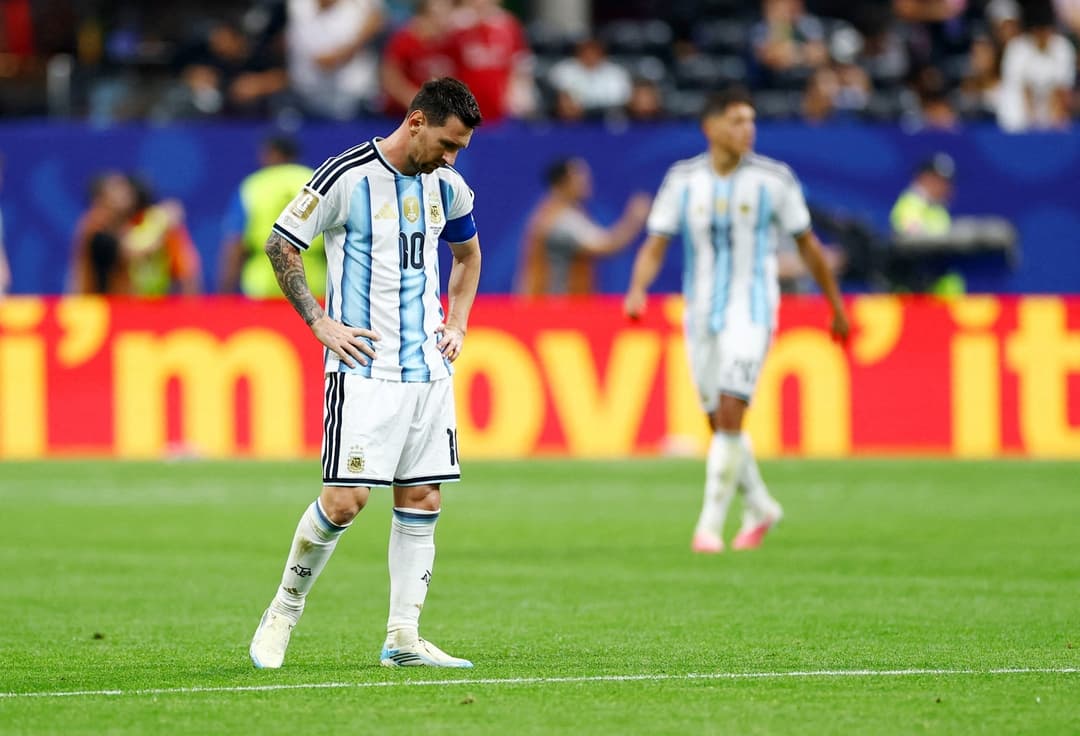
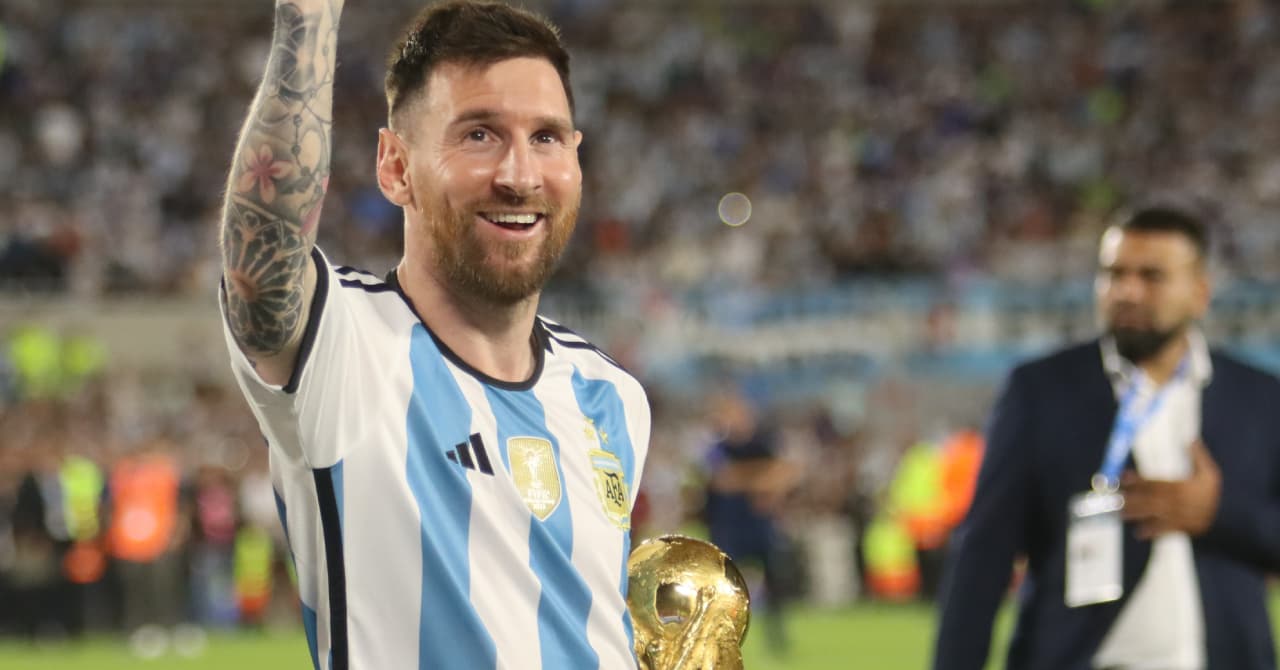
At the centre of it all, inevitably, stands Lionel Messi. Eight Ballons d’Or, three World Cups behind him, and a fourth that will almost certainly be his last. He turns 39 during these finals. North America is not just another tournament for him. It is a farewell tour with a trophy to defend.
Group J may look straightforward on paper. It rarely stays that way on the pitch.
Algeria: Petkovic’s Return to the Big Stage
After missing the last two World Cups, Algeria come back with unfinished business and a coach who knows his way around a major tournament.
Vladimir Petkovic, the Bosnian and Herzegovinian who took Switzerland to the 2018/19 Nations League finals and the Euro 2020 quarter-finals, has quietly rebuilt this team. His Switzerland beat Turkiye and France at that Euros before bowing out on penalties to Spain. That résumé travels well.
Algeria topped CAF Group G to book their ticket, and they arrive with a blend of Bundesliga steel, creative midfielders and a captain whose CV needs little introduction.
Mohamed Amoura was the headline act in qualifying. Ten goals, seven more than anyone else in Algeria’s group, including a hat-trick against Mozambique. The Wolfsburg forward began his club season flying – eight goals in 19 league games – only to stall in front of goal over his final 11 appearances. For Algeria, though, he remains the sharpest finisher in the squad and a key part of their attacking threat.
Around him, Petkovic leans on experience. Houssem Aouar, once capped by France and formerly of Roma and Lyon, offers craft between the lines. Amine Gouiri, back from injury, arrives with confidence after scoring twice in a 7-0 friendly demolition of Guatemala in Genoa in March. Nabil Bentaleb, now at Lille and hardened by Premier League and European campaigns, adds balance and bite in midfield.
At the back, there is a familiar name with a new chapter. Goalkeeper Luca Zidane, son of Zinedine, makes his first World Cup squad after recovering from a broken jaw and chin at Granada in April. Out wide, Anis Hadj Moussa brings serious end product, coming off a season at Feyenoord with 14 goals and seven assists.
Rayan Ait-Nouri’s season at Manchester City was a stop-start affair – early starts, an ankle injury, then a spell on the fringes before Pep Guardiola handed him a run of seven consecutive starts across February and March. He arrives as a player who has seen the highest level up close, even if not always from centre stage.
Mahrez, Still the Reference Point
All of it orbits around Riyad Mahrez.
Now at Al-Ahli in the Saudi Pro League, the 35-year-old captain needs eight more goals to become Algeria’s all-time leading scorer. He already has 38 goals and 43 assists from 113 caps, a record that spans AFCON glory, World Cup heartbreak and everything in between.
He dragged Algeria through a perfect group stage at the 2025 AFCON with three goals in two games and remains the man for the big moments. Leicester City’s impossible Premier League title in 2016, African Footballer of the Year that same year, and the treble with Manchester City in 2023 – Champions League, Premier League, FA Cup – form the backdrop to a player still capable of deciding matches at this level.
Verdict on Algeria
Algeria’s group finale against Austria has the feel of a knockout tie in disguise. With both nations expected to beat Jordan and with eight third-placed teams also progressing, Les Fennecs are well placed to reach the last 16 for only the second time in their history. In their fifth World Cup appearance, the target is clear: get out of the group and see who blinks first.
Argentina: Champions with a Target on Their Back
No one has retained the World Cup since Brazil in 1962. That is the size of the mountain in front of Argentina.
Lionel Scaloni brings a settled, battle-hardened squad to North America and a personal record that already stands apart in Argentina’s modern history. Copa America 2021. World Cup 2022. Copa America 2024. He is the only Argentina coach to have won both the World Cup and the Copa America, and the man who finally ended the 36-year wait for a third star on that famous shirt.
The spine from Qatar remains intact. Emiliano Martinez, the penalty specialist and master of chaos, keeps his place in goal. Cristian Romero and Lisandro Martinez provide a snarling, uncompromising central defence. In front of them, Rodrigo De Paul, Alexis Mac Allister and Enzo Fernandez form a midfield trio that can press, pass and punish in equal measure.
Up front, Scaloni has options. Julian Alvarez, perhaps the most versatile forward in the group, can operate wide, through the middle or off a main striker. Lautaro Martinez leads the line and brings the penalty-box instincts of a serial scorer.
Angel Di Maria, one of the great heroes of 2022, has retired from international duty, leaving a gap in both personality and left-footed magic. Franco Mastantuono, the teenage Real Madrid midfielder heavily watched during qualifying, was the standout omission from the final squad.
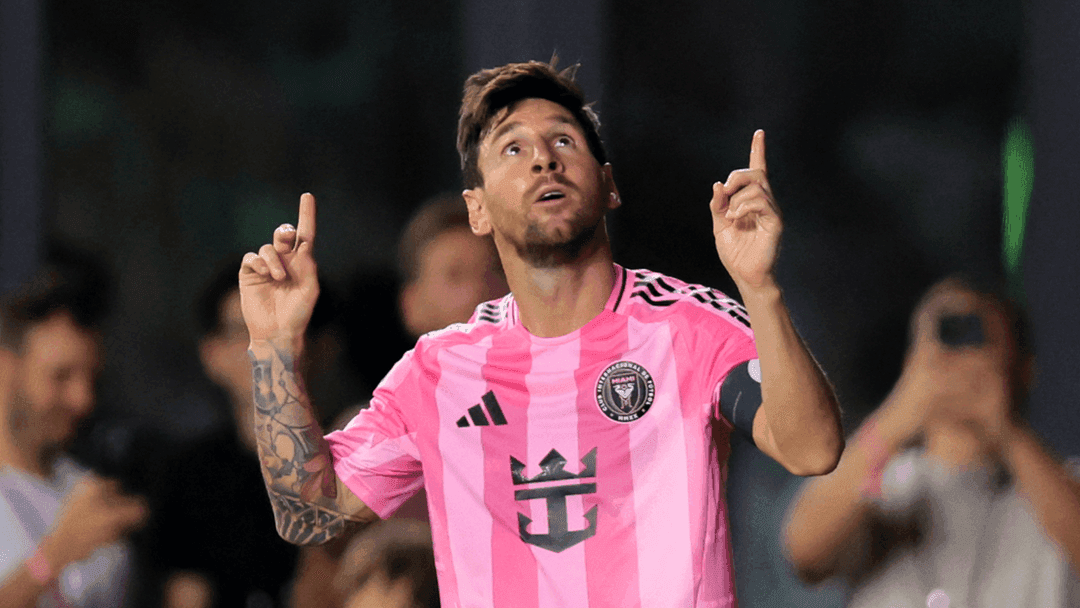
The one real worry has been the captain himself. Messi picked up a hamstring problem with Inter Miami in May, prompting an anxious pause across Argentina. Scaloni’s public assessment remained calm, describing the early reports as “not that bad”, and the expectation is that Messi will be ready for the opener against Algeria in Kansas City.
Messi’s Final World Cup?
His presence in North America goes far beyond football.
At 38, Messi arrives at a record sixth World Cup, extending a mark that already belonged to him. No one seriously expects a seventh. He finished CONMEBOL qualifying as top scorer with eight goals and, even now, remains the single most decisive figure in this squad.
He no longer sprints like he did at 25. He no longer needs to. His game has been distilled down to pure influence – the pass that breaks a line, the free-kick that changes a match, the run that drags three defenders out of position.
Verdict on Argentina
This is a group Argentina should dominate. The real questions about their legacy, their place in history, and Messi’s final act will not be answered here. Those answers wait in the knockout rounds.
Austria: Rangnick’s Relentless Press Arrives on the World Stage
After 28 years away, Austria return to the World Cup with a plan, an identity and a coach who has stamped his ideas on every level of their football.
Ralf Rangnick has taken the national team and wired it to his core philosophy: aggressive pressing, vertical football, relentless work without the ball. The result is a side that no longer sneaks into tournaments, but arrives as a genuine threat.
The warning shot came at Euro 2024. Austria reached the last 16 after finishing above France and the Netherlands in their group. That was not a fluke; it was a statement. World Cup qualification followed, and this squad may be the strongest the country has assembled since their run to third place in 1954.
The team’s backbone is forged in the Bundesliga. Fourteen of the 26 players ply their trade in Germany, many of them shaped by the Red Bull system that Rangnick helped build. The RB Leipzig midfield trio of Christoph Baumgartner, Xaver Schlager and Nicolas Seiwald embodies that link, all comfortable in high-intensity football and quick transitions.
Marcel Sabitzer brings 95 caps and the nous of a player who has seen it all at the top level. Konrad Laimer starts at Bayern Munich and gives Rangnick tireless running in wide areas, shuttling up and down the flank with the kind of energy this system demands.
David Alaba, at 33, wears the armband and remains the reference point at the back. At the other end of the age spectrum, Carney Chukwuemeka has committed his international future to Austria over England, while 20-year-old Paul Wanner of PSV Eindhoven could use this stage to introduce himself to the wider world.
Marko Arnautovic, 36, is the old warrior up front. Austria’s all-time leading scorer, with 47 goals from 132 caps, travels as vice-captain knowing this may be his last major tournament. He will not run as he once did, but his presence still commands respect.
Baumgartner, the Breakthrough Star
If there is one player who can tilt tight games, it is Baumgartner.
The RB Leipzig midfielder is in the form of his life, coming off a Bundesliga season with 13 goals and 10 assists. Those are elite numbers for a central player in one of Europe’s toughest leagues.
His timing between the lines, his late runs into the box, his calm finishing in crowded areas – all of it gives Austria a scoring threat from midfield that will test every defence in this group.
Verdict on Austria
Rangnick’s structure, the Bundesliga core and the presence of multiple match-winners make Austria strong contenders to follow Argentina into the last 16. Their opener against Jordan in Santa Clara offers a platform. Their showdown with Algeria could define their World Cup.
Jordan: First Steps on the Biggest Stage
Jordan arrive as World Cup debutants, but not as tourists.
They punched their ticket by finishing second in a demanding AFC third-round group, trailing only South Korea and finishing ahead of Iraq, Oman, Palestine and Kuwait. Every point was earned.
Coach Jamal Sellami, a Moroccan with a successful record in his home league, also led Morocco’s local-national team to the 2018 African Nations Championship title. He has spoken openly about wanting to emulate Morocco’s historic run to the semi-finals in Qatar – the first African and Arab nation to reach that stage.
Jordan will not mirror that overnight, but the ambition is clear.
Thirteen of the 26 players are based in Jordan. That domestic core brings a familiarity and cohesion that many larger nations envy, especially in the early days of a tournament when others are still trying to click. The key injury blow is severe, though: striker Yazan Al-Naimat, a major attacking outlet, misses out after suffering an ACL injury in December.
At the back, captain Ehsan Haddad marshals the defence from Al-Hussein. Yazan Al-Arab, one of the few players based outside the Middle East, adds experience from FC Seoul in South Korea and gives the backline a broader perspective.
Al-Tamari, the Game-Changer
If Jordan are to shock this group, the spotlight will fall on one man.
Mousa Al-Tamari, the Rennes forward, is widely regarded as the best player Jordan has ever produced. He became the first Jordanian to play in Ligue 1 and carries a nickname at home that says everything about the expectations placed upon him: the “Jordanian Messi”.
He is their outlet, their creator, their hope. If a giant is to fall, he will almost certainly be at the heart of it.
Verdict on Jordan
Jordan’s most realistic chance of a result comes in their opener against Austria in Santa Clara. A point there would send a message that they are not just making up the numbers. Anything taken from Algeria would be historic.
Then comes the night every Jordanian football fan has dreamed of: Argentina at AT&T Stadium in Dallas, the final group game, under the brightest lights. Whatever the table looks like by then, that occasion will live with them forever.
And somewhere in the middle of it all, amid the noise and the colour, Group J will decide whether it sticks to the script – or writes the kind of twist that even Messi has seen before.