Gueye Announces Break from Senegal Team After World Cup Exit
Senegal’s World Cup exit was brutal enough. What followed turned it into a full-blown national crisis.
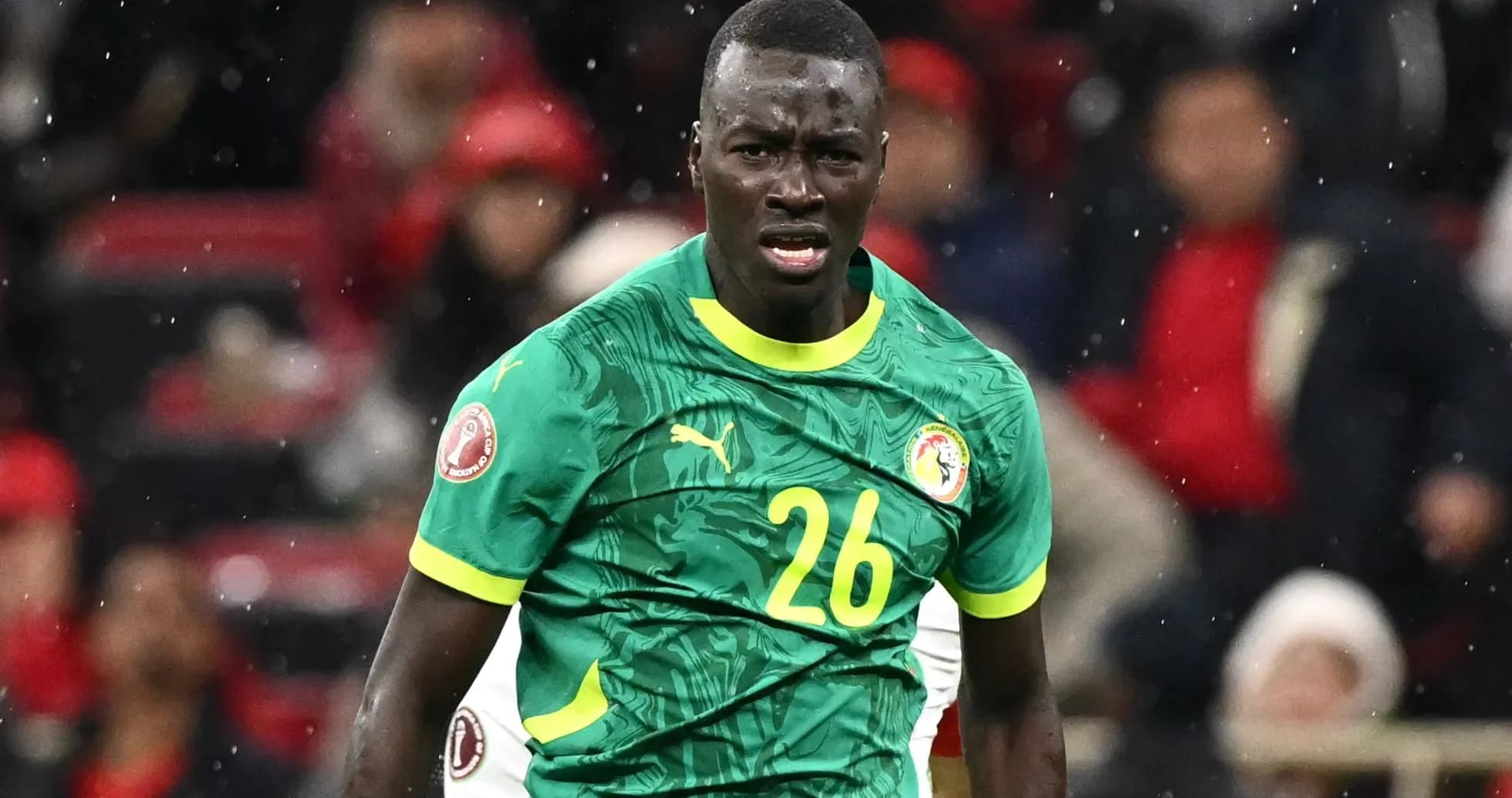
Hours after a 3-2 extra-time collapse against Belgium, midfielder Pape Gueye announced he will no longer play for Senegal as long as the current coaching staff remains in charge. No press conference, no carefully worded statement. Just a stark Instagram story from one of the team’s central figures.
“I’ll be back to give you a few words regarding elimination... but I announce today that as long as it's this technical staff I’ll take a break from the selection,” he wrote, drawing a hard line under his international future — at least for now.
For a squad still reeling from the manner of their defeat, the timing and tone of the message hit like a second knockout blow.
A Collapse That Changed Everything
This was supposed to be a procession. For an hour, Senegal looked every inch a side destined for the Round of 16 and a meeting with the USA.
Habib Diarra struck first, Ismaila Sarr added a second, and Pape Thiaw’s team were in control. Strong, composed, and two goals to the good, the Lions of Teranga seemed to have tamed Belgium’s threat.
Then came the 64th minute.
Gueye, who had been influential throughout the tournament and again against Belgium, was withdrawn for Lamine Camara. It was one of several changes that would later be dissected in forensic detail. At the time, it felt routine. Manage the legs, manage the lead.
The game refused to follow the script.
Belgium found a way back. Romelu Lukaku and Youri Tielemans struck twice in the final ten minutes to drag the tie into extra time, turning a comfortable evening into a nightmare. Senegal, rattled and retreating, never fully recovered.
Deep into extra time, with penalties looming, VAR intervened. A late Belgian penalty handed Tielemans the chance to complete the turnaround in the 125th minute. He buried it. Senegal were out, their World Cup dream ripped away in the most agonising fashion.
Thiaw Under Fire
As the players trudged off, the inquest had already begun. The decision to remove Gueye and other key starters with a 2-0 lead quickly became the central talking point.
Head coach Pape Thiaw faced a barrage of questions about his game management and substitutions. He pushed back on the idea that he had overthought or mishandled the contest.
“They were tired and couldn’t continue. Leaving them on the field would have been unprofessional on our part. We had to replace them, like for like,” Thiaw insisted. “Of course, when you lose a match after leading 2-0, people inevitably talk about the substitutes. But you can't reduce everything to that. These changes were primarily dictated by fatigue, more than by tactical considerations.”
To Thiaw, this was a medical and physical necessity, not a coaching gamble gone wrong. To many watching, including clearly one of his most important players, it looked like the turning point of the match and perhaps the relationship between dressing room and bench.
A Relationship Fractures in Public
Gueye’s social media post did not name Thiaw directly, but the target was obvious: “this technical staff.” For a player of his standing to effectively boycott the national team under the current regime is a seismic move in African football.
He had been a central figure throughout the campaign, a symbol of the team’s ambition and balance. To lose him now — and in this fashion — heaps pressure on a staff already walking a tightrope.
This is not an isolated storm either. It lands on a coaching ticket already battling reputational damage.
CAF Fallout Still Lingers
Thiaw’s tenure has been marked by volatility. During the Africa Cup of Nations final against Morocco, he made headlines by ordering his players off the pitch in protest at a refereeing decision. Senegal eventually returned and won the match on the field, but the controversy did not end there.
CAF later overturned the result, awarding the victory — and the title — to Morocco. The episode left a stain on Senegal’s campaign and raised questions about Thiaw’s judgement in high-pressure moments.
Now, after a World Cup exit defined by a loss of control and a star player’s rebellion, those questions grow louder.
A Team in Shock
In the aftermath of the Belgium defeat, Thiaw cut a dejected figure.
“We just lost a match that was really important to us. We wanted to qualify for the Senegalese people, we thought we deserved it, but unfortunately, we are eliminated. I am sad, the players are sad too, because they really wanted this qualification,” he said.
The hurt is obvious. The sense of waste, even more so. A campaign that once promised a deep run has ended with a 2-0 lead squandered, a penalty conceded in the 125th minute, and one of the side’s leaders publicly walking away.
For Senegal, this is now about more than a single defeat. It is about trust, authority, and the future shape of a golden generation.
Does this squad rally around Thiaw and ride out the storm, or has Gueye just signalled the start of a reckoning that the federation can no longer postpone?