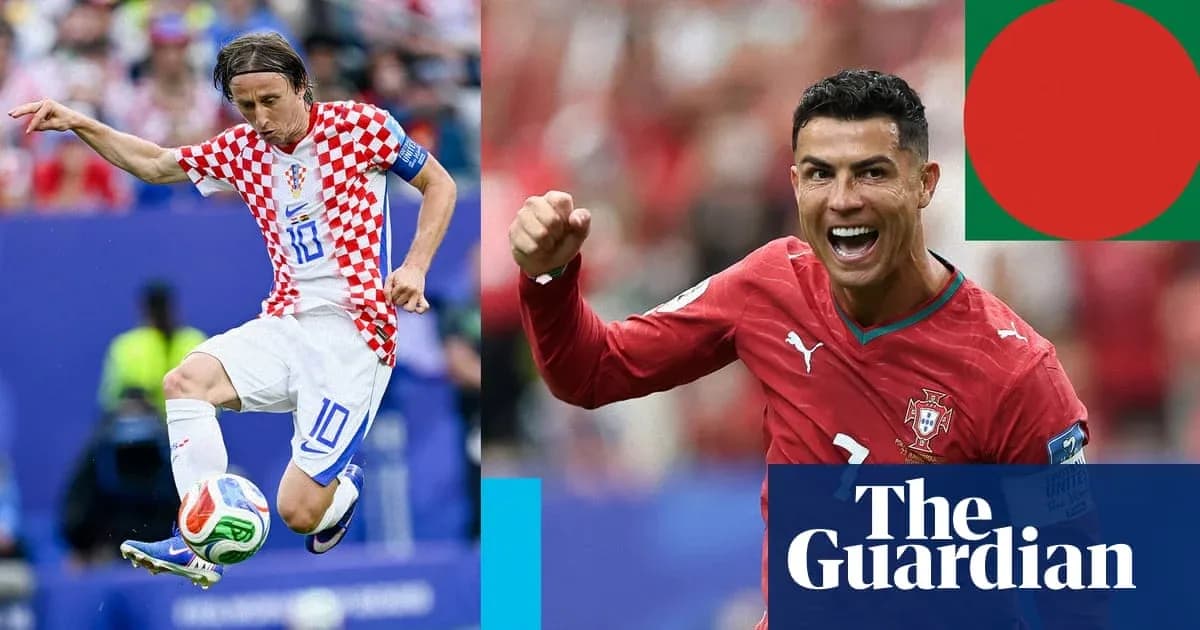
Luka Modric, Lionel Messi, and Cristiano Ronaldo: A Legacy of 200 International Caps
Can you remember what you were doing on 1 March 2006?
Some were at Anfield, watching England edge Uruguay 2-1. Others saw Switzerland put three past Scotland at Hampden Park. And on a different stage, in a different corner of Europe, a slight 20-year-old midfielder named Luka Modric walked out for his first cap with Croatia.
That same night, Lionel Messi scored his first international goal for Argentina in a 3-2 defeat by Croatia. Cristiano Ronaldo struck twice in a 3-0 win for Portugal against Saudi Arabia, already dreaming big, though probably not of the day he would live and work in that country.
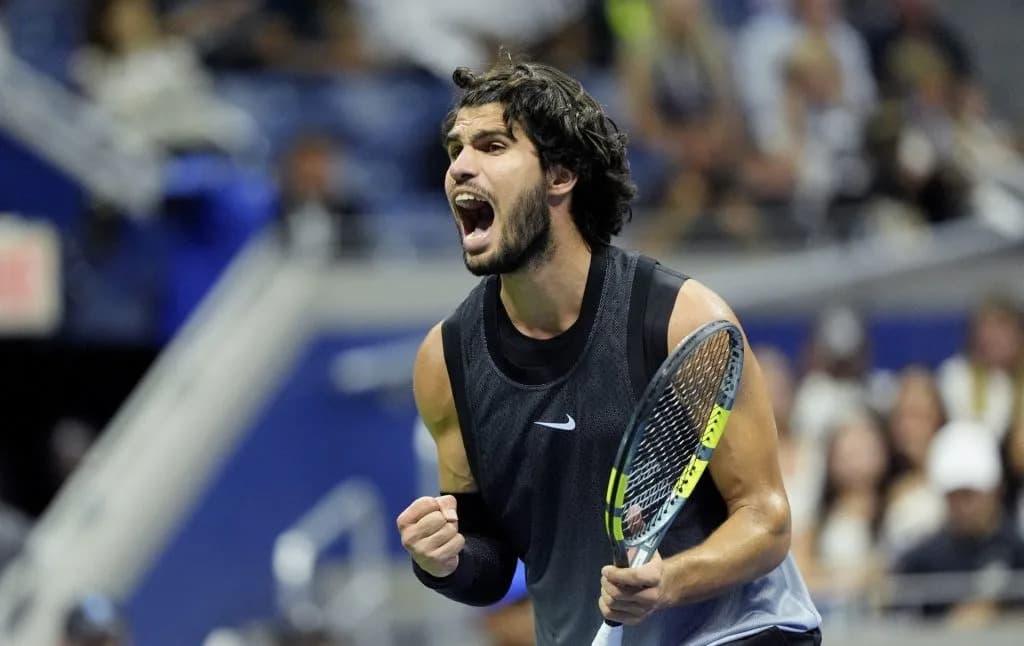
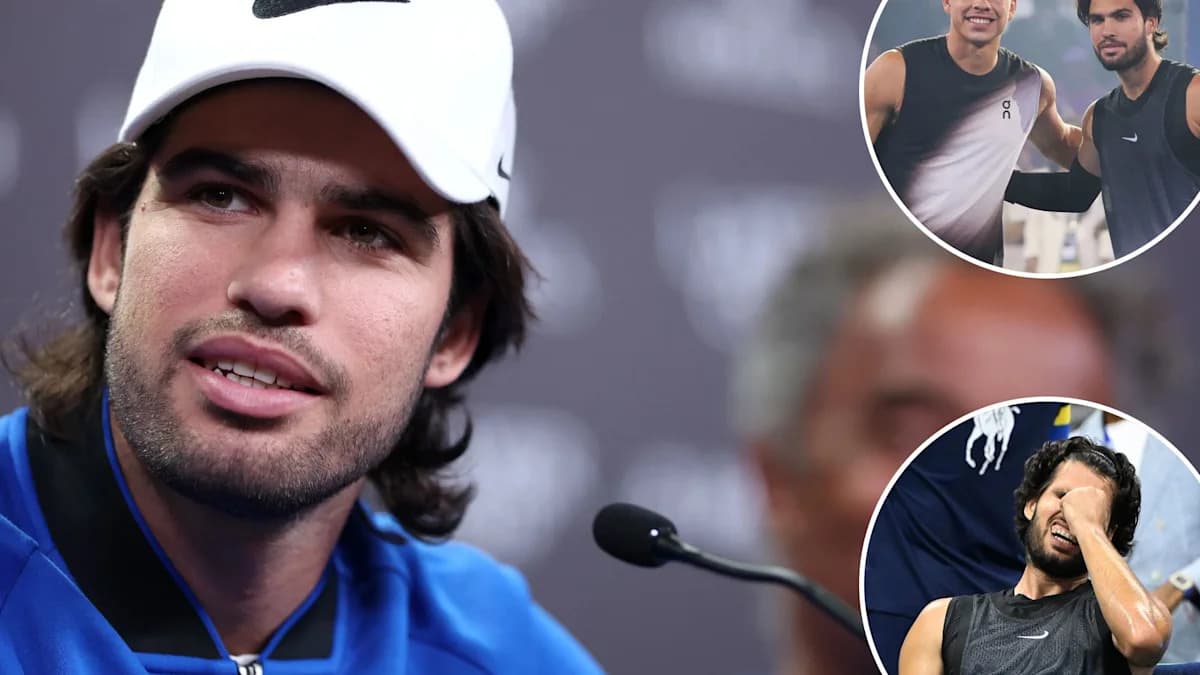
Messi and Ronaldo went on to devour the spotlight, their rivalry stretching across leagues, continents, and a generation. Modric never chased that kind of glare. He operated in the shadows between the lines, passing more often than scoring, ticking over games with a metronome’s calm. Yet he stayed there with them, year after year, at the summit.
Now, all three belong to a tiny club. Just four men in history have reached 200 international caps. Ronaldo and Modric are two of them. The other names can wait; their numbers speak loudly enough.
Ronaldo, now 41, and Modric, 40, are set for their 232nd and 202nd appearances respectively when Portugal meet Croatia in the last 32 of the World Cup. It is a knockout tie loaded with narrative, but one thread stands out: this could be the last time these giants of 21st-century football share a pitch.
They have treated the international game not as an obligation but as a duty. When Modric made his Croatia debut back in 2006, Ronaldo already had 29 caps. Two decades on, the gap has grown by just one. Call-ups kept coming; they kept saying yes. No managed retirements, no long sabbaticals. Just a near-parallel march through qualifying campaigns, tournaments, and friendlies, always available, always central.
Their careers first intersected in England in 2008‑09. Modric, still adapting to the Premier League at Tottenham, and Ronaldo, the reigning world star at Manchester United, lined up at Wembley in the Carling Cup final. Both played the full 120 minutes, both earned a solid sevens in the ratings, and United edged it on penalties. A domestic cup final, yet it felt like an early chapter in a longer story.
The plot thickened when Ronaldo moved to Real Madrid. In the 2010-11 Champions League quarter-finals, he faced Modric again, this time with the Croatian still in Spurs colours. Madrid, as they so often would in that era, found a way through. It was a glimpse of a future alliance rather than a lasting rivalry.
Soon after, they became team-mates at the Bernabéu and turned European nights into a shared habit. Across six seasons together, Real Madrid won the Champions League four times and reached the semi-finals in the other two campaigns. Ronaldo finished the moves, Modric shaped them. One lived for the goal, the other for the angle and the tempo.
If there was a single moment that captured their partnership at its peak, it came in Cardiff in 2017. Juventus were reeling, Real Madrid rampant. Modric darted to the byline on the right, looked up, and cut the ball back with surgical precision. Ronaldo arrived, as he so often did, in exactly the right pocket of space and swept Madrid 3-1 up in a final they would go on to dominate. A simple pass, a ruthless finish, a season’s work distilled into a few seconds.
That was one of 222 matches they shared on the pitch. No central midfielder has played more often alongside Ronaldo than Modric. Across those games, they built a language of their own: a glance, a movement, a pass into space that only one man on earth expected.
Now they stand on opposite sides again, older but still central, still decisive. One chasing yet another deep World Cup run with Portugal, the other clinging to Croatia’s golden era for one more knockout night. The legs are different, the pace has dipped, but the minds remain razor sharp.
When they walk off after Portugal v Croatia, whether in triumph or defeat, the embrace in the centre circle will carry two decades of shared history. How many more times can football stage a meeting like that?