Harry Kane Reflects on England's World Cup Semifinal Heartbreak
Harry Kane stared into the void of another lost semifinal and reached for his phone.
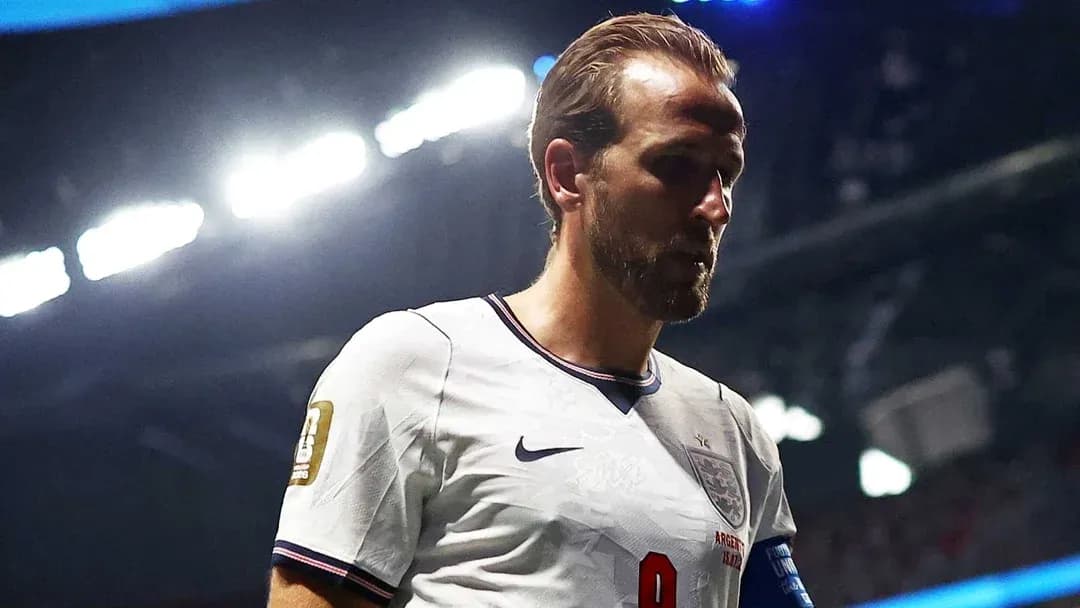
Hours after England’s 2-1 defeat to Argentina in the 2026 World Cup semifinal, the captain’s message on X cut through the noise: “There are no words big enough right now to overcome this feeling of emptiness in the stomach.” No spin. No dressing it up. Just the raw confession of a player who has carried a nation’s hopes and watched them slip away again.
England led. Then England fell.
For a while, it looked like the night might finally bend their way. The Three Lions, chasing a first World Cup final since 1966, struck first and had Argentina rocking. But the pressure did not last. Enzo Fernández dragged the Albiceleste level, Lautaro Martínez completed the turnaround, and the familiar script unfolded with ruthless clarity.
The numbers only deepen the wound. In the 21st century, only twice has a team scored first in a World Cup semifinal and still failed to reach the final. Both times, it was England. First against Croatia in 2018. Now against Argentina in 2026. Two leads. Two collapses. Two chances to step onto the biggest stage, both squandered from positions of strength.
For Kane, the night was as haunting as the result. The Bayern Munich striker, usually the heartbeat of England’s attack, did not register a single touch in the opposition penalty area. For a forward of his profile, that is not just unusual; it is almost unthinkable. It has happened to him only twice before in major tournaments. This time, it came in the match that was supposed to define his international legacy.
He walked off with that statistic hanging over him and another semifinal scar to add to the one from 2018. England, a country that still clings to 1966 as both glory and burden, has now lost three consecutive World Cup semifinals: 1990, 2018, and 2026. Three generations, same stumbling block.
Under Thomas Tuchel, this England side had promised something different: structure, edge, a hardened mentality. For long stretches of the tournament, it looked like they had found it. Yet when the stakes soared and the line between immortality and regret narrowed to 90 minutes, the old fragility resurfaced.
Kane’s post summed up the mood of a dressing room and a fanbase that has lived this pain too often. Emptiness. But within that message sat something else: the hint of a man not yet ready to let this be the final word on his international story. The wound is fresh, the criticism inevitable, the questions about England’s mentality unavoidable.
Tuchel must now pull a shattered group back together, rebuild belief, and convince his captain that the next chapter can be different. Kane, 33 by the time the dust settles on this World Cup cycle, knows the clock is ticking.
The emptiness in his stomach will not fade quickly. The only real antidote is another chance.