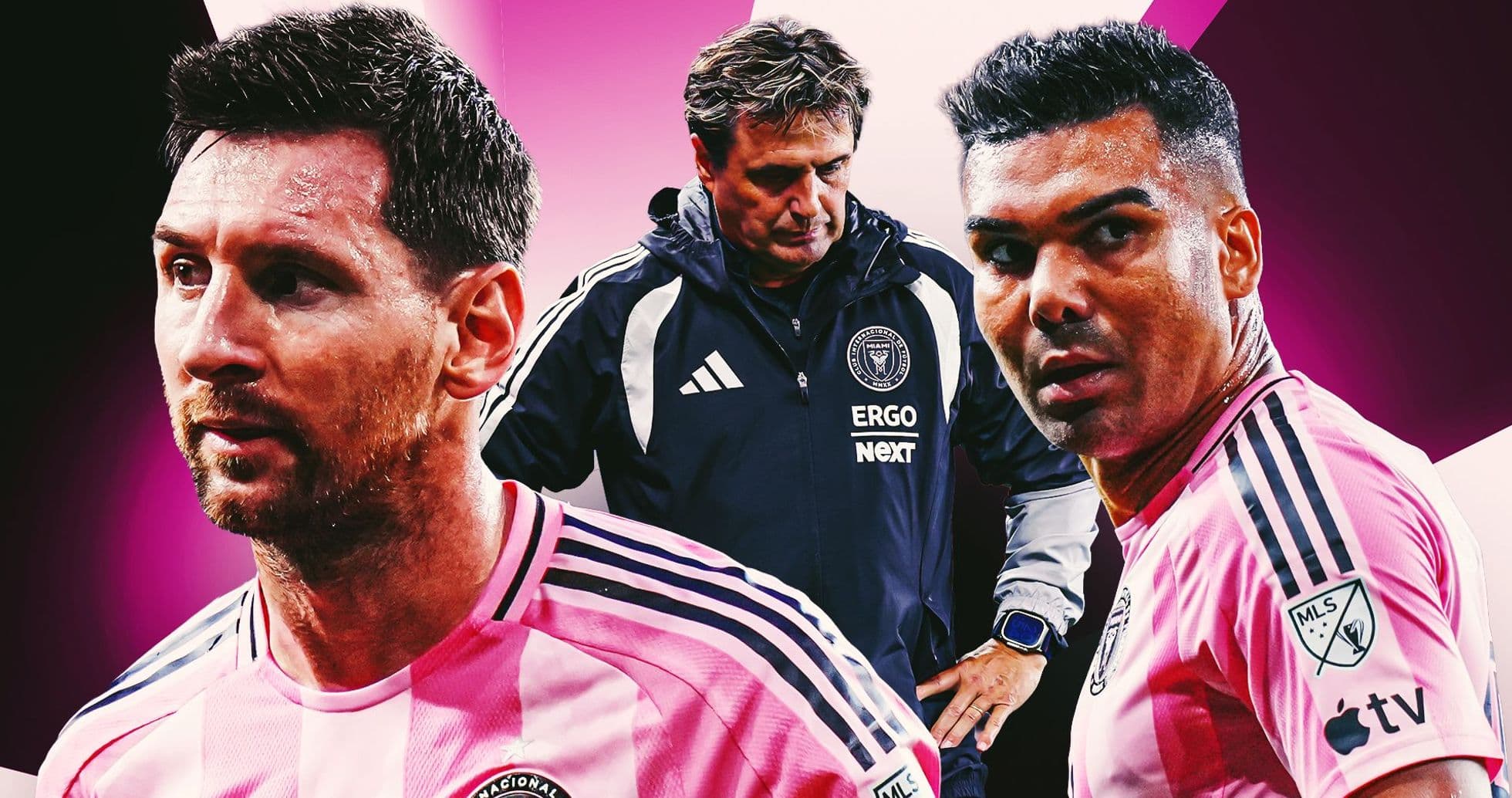
Inter Miami Faces Uncertain Future Without Lionel Messi: The Need for a Clear Succession Plan
Lionel Messi has transformed Inter Miami from one of Major League Soccer’s weakest teams into champions and elevated the club’s global profile. His arrival, backed by Jorge Mas’ financial resources and David Beckham’s influence, created a winning formula. Yet, this success depends heavily on Messi, who is now 39 years old.
After matches, Messi often heads straight to the tunnel without lingering, reflecting a dynamic where the club's identity and achievements revolve almost entirely around him. With his contract running through 2028 but uncertainties about his longevity, Miami faces a critical question: what happens when Messi steps away?
Current Team Weaknesses
Miami’s recent 4-1 loss to Nashville highlighted their vulnerabilities. Despite dominating possession, they were exposed on counterattacks. Their midfield lacked pace, and players like Hany Mukhtar capitalized on the gaps. Miami's defensive structure was poor, with contributions from unexpected sources like right back Andy Najar, revealing serious tactical deficiencies.
The team’s strategy seems clear: if opponents can quiet Messi, Miami struggles. Other key players show limitations. Luis Suarez, also 39, is visibly past his peak; Casemiro, a marquee signing, appears sluggish; and there’s a stark drop-off in quality from Jordi Alba to Sergio Reguilón, who hasn’t played regularly since 2022. Miami currently resembles an average playoff contender carried mainly by Messi.
Transfer Strategy and Squad Composition
Miami's transfer approach hasn’t addressed the future beyond Messi. They have been creative within MLS salary cap restrictions but still lack balance. For example, spending $15 million on forward German Berterame, who lacks a standout skill, raises questions. Benjamin Cremaschi, a young midfielder, felt sidelined under coach Javier Mascherano and might have been a valuable asset if handled differently.
Several signings appear influenced by Messi's preferences. Sergio Busquets and Jordi Alba were reportedly signed to lure Messi. Rodrigo De Paul left Atletico Madrid partly to maintain form ahead of the World Cup and to play alongside Messi. Even Casemiro admitted he joined Miami to play with the “best player of all time.” This focus on keeping Messi happy means the squad was not built for long-term sustainability.
Risks When Messi Departs
Whenever Messi eventually leaves, Miami will face challenges. High-cost Designated Players like De Paul (under contract until 2029) and Berterame could become burdensome if the team lacks Messi’s draw. Casemiro currently does not occupy a DP slot, but financial arrangements might change. The squad is not structured to thrive without its star.
Searching for a Successor
Miami needs a player who can become both the sporting and commercial face of the club. Julian Alvarez fits the profile: young, talented, marketable, and connected to Argentina. Yet acquiring him seems unrealistic, as Atletico Madrid invested heavily to secure him and reportedly turned down a massive offer from Real Madrid.
If such a signing is financially out of reach, Miami may turn to American stars like Christian Pulisic or Weston McKennie. Both bring quality and name recognition domestically but cannot match Messi’s global appeal. They might help rebuild the team, but replacing Messi’s impact seems unlikely.
Messi’s Influence Beyond the Pitch
Messi’s presence drives ticket sales, sponsorships, and worldwide attention. A stadium stand even carries his name, and his contract reportedly includes ownership stakes. This shows how intertwined he is with the club’s identity, making the prospect of rebuilding after him daunting.
Looking Ahead
Before Messi arrived, Miami struggled both on the field and in attendance, despite signing established stars like Blaise Matuidi and Gonzalo Higuain. Now, with Messi’s uncertain future looming, the club risks slipping back into obscurity if it doesn’t develop a clear plan.
The switch to a Fall-Spring schedule in 2027-28 and potential salary cap reforms could offer opportunities to strengthen the squad, but time is limited. Miami has at most one full upcoming season and parts of two others with Messi. They need to use this period wisely.
Recent poor performances suggest that relying solely on Messi to carry the team again will be a huge challenge. Meanwhile, the club watches as their star exits after matches, facing an unclear future once his final game arrives.