Interlagos Grid Penalties: Hamilton, Leclerc, and Verstappen Set for Comeback
At Interlagos, the grid penalties are stacking up almost as fast as the clouds.
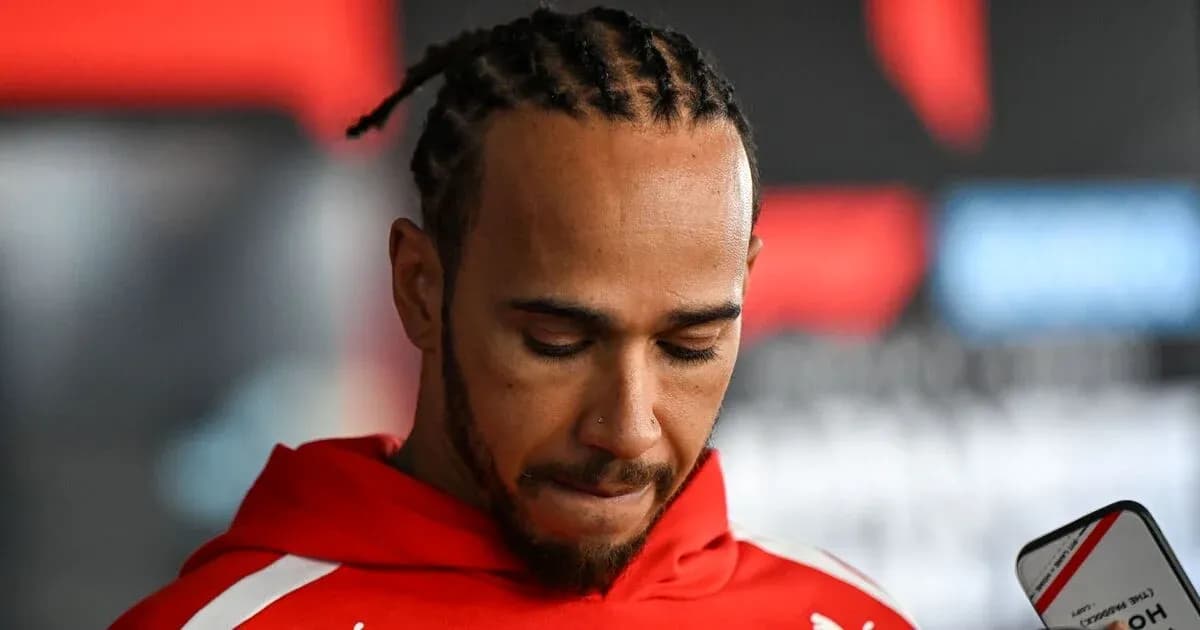
Lewis Hamilton, Charles Leclerc and Max Verstappen will all be sent tumbling down the order for Sunday’s Brazilian Grand Prix after their teams rolled the dice on fresh power units. It turns a title‑tilt venue into a comeback stage for three of the sport’s most ruthless racers.
Ferrari blinks first
Ferrari’s bruising Friday forced its hand. After a scruffy pair of practice sessions, the team opted for a planned engine change on both SF-26s, fitting new internal combustion units and triggering 10-place grid penalties for Hamilton and Leclerc.
It was a strategic call, but also an admission: the Scuderia is not comfortable at the Autodromo Jose Carlos Pace.
Leclerc did not even run in FP1 and never looked at ease once he did join the action. Hamilton, still learning the nuances of life in red, wrestled with a car that refused to give him the confidence he so often finds around this track.
Team principal Frederic Vasseur did not sugar-coat it. He pointed straight at the balance issues and the tricky tarmac, so different from the previous weekend, and talked of “a lot of work” before qualifying. The drivers were unhappy, the data unflattering, and the forecast unpredictable.
But Ferrari has taken its medicine early. Fresh engines banked. Grid penalties accepted. Now it leans on its drivers’ racecraft and, perhaps, the Sao Paulo sky.
Red Bull’s late-night gamble
Red Bull tried to wait it out. Coming into the weekend, the message from Milton Keynes was clear: a power unit change for Verstappen was not yet on the agenda. Interlagos, they felt, could be survived on the existing hardware.
Friday tore up that script.
Verstappen reported “small issues” and parked his RB22 before the end of second practice, giving up the chance to practice starts on the uphill grid – a strange decision for a team whose launches have been under scrutiny all year. As the Dutchman climbed out, mechanics dived under the car. The official line spoke of “inconsistencies”, but the pictures told a tenser story.
By Friday night, the façade dropped. Red Bull broke curfew, worked through the hours, and by Saturday the full power unit change was confirmed. Verstappen will start from the very back.
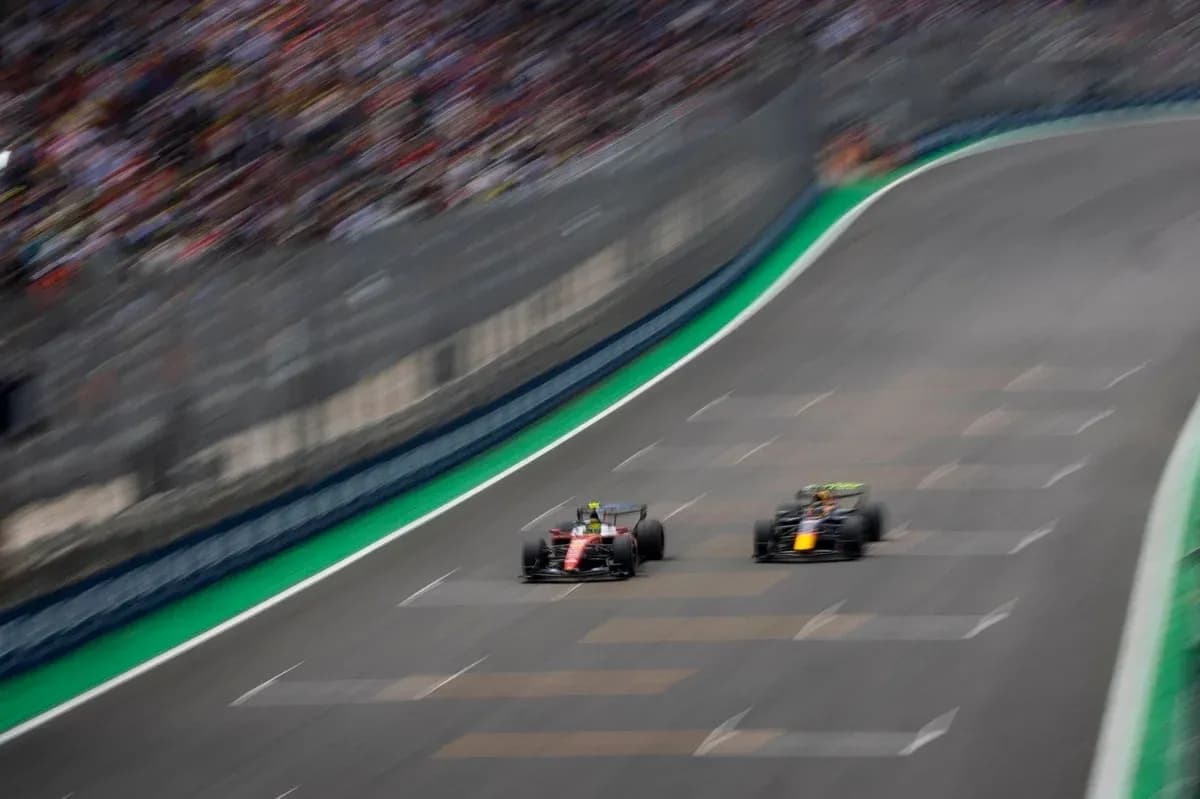
It sets up a familiar Sao Paulo scenario. The reigning benchmark of the field, stuck in traffic, forced to carve his way through a pack he usually leaves behind by Turn 1.
He knows the script here. In 2016, he danced through the rain in one of the defining wet-weather drives of his career, recovering from a tyre misstep to storm back through the field. Last year, he went from pitlane to podium. In 2024, he won from 17th on the grid, crushing Lando Norris’s title push in the process.
Now he starts even deeper in the mire. Different year, same target: destroy the race from the back.
Hamilton back in his favourite hunting ground
If Verstappen has made Interlagos his playground, Hamilton has made it his proving ground.
In 2021, he delivered one of the great modern weekend performances here. Disqualified from qualifying, he surged from 20th to fifth in the sprint, then from 10th on the grid to victory in the grand prix, overtaking with a sense of inevitability that broke Red Bull’s resistance.
This time, he comes as a Ferrari driver, in a car that is nowhere near as compliant as that Mercedes was. The penalty stings, the balance is off, and the team is still chasing the circuit rather than attacking it.
Yet Brazil has a habit of unleashing the racer in him. The long run to Turn 1, the swoops of the middle sector, the grandstands that roar for wheel-to-wheel fights – it all suits a driver who relishes a chase.
With Hamilton and Leclerc both shuffled down the order, Ferrari’s Sunday becomes less about track position and more about controlled aggression, tyre management and seizing chaos if the weather turns.
Storm clouds and opportunity
The forecast hints at rain. For three serial comeback artists, that is almost an invitation.
A wet race would compress the field, amplify mistakes and hand Verstappen, Hamilton and Leclerc the kind of mixed-conditions canvas on which they have all painted classics. Strategy windows widen, safety car risks rise, and raw feel for grip becomes as valuable as straight-line speed.
Sergio Perez will join Verstappen at the back after taking a new internal combustion engine, turbocharger and MGU-K. On paper, Red Bull has the fastest package. On the grid, both cars will be mired in traffic.
So Brazil offers something rare: a front row likely devoid of the usual title heavyweights, and a midfield bracing itself for a red-and-blue storm surging from behind.
Interlagos loves a comeback. With three of the sport’s fiercest racers sent to the shadows of the grid, the question is no longer who starts at the front – it’s who dares stand in their way.