Jack Grealish: From Treble Winner to Transfer Problem
Jack Grealish’s Manchester City chapter is edging towards its final pages. Not with a dramatic fallout, not with a farewell tour, but with the quiet inevitability of a squad moving on without him.
Three years ago he was at the heart of a treble-winning side, a £100 million symbol of City’s dominance. Now, at 30, he is being spoken about in the language clubs reserve for “legacy assets” – players who once defined an era but no longer shape the future Pep Guardiola is trying to build.
From Treble Winner to Transfer Problem
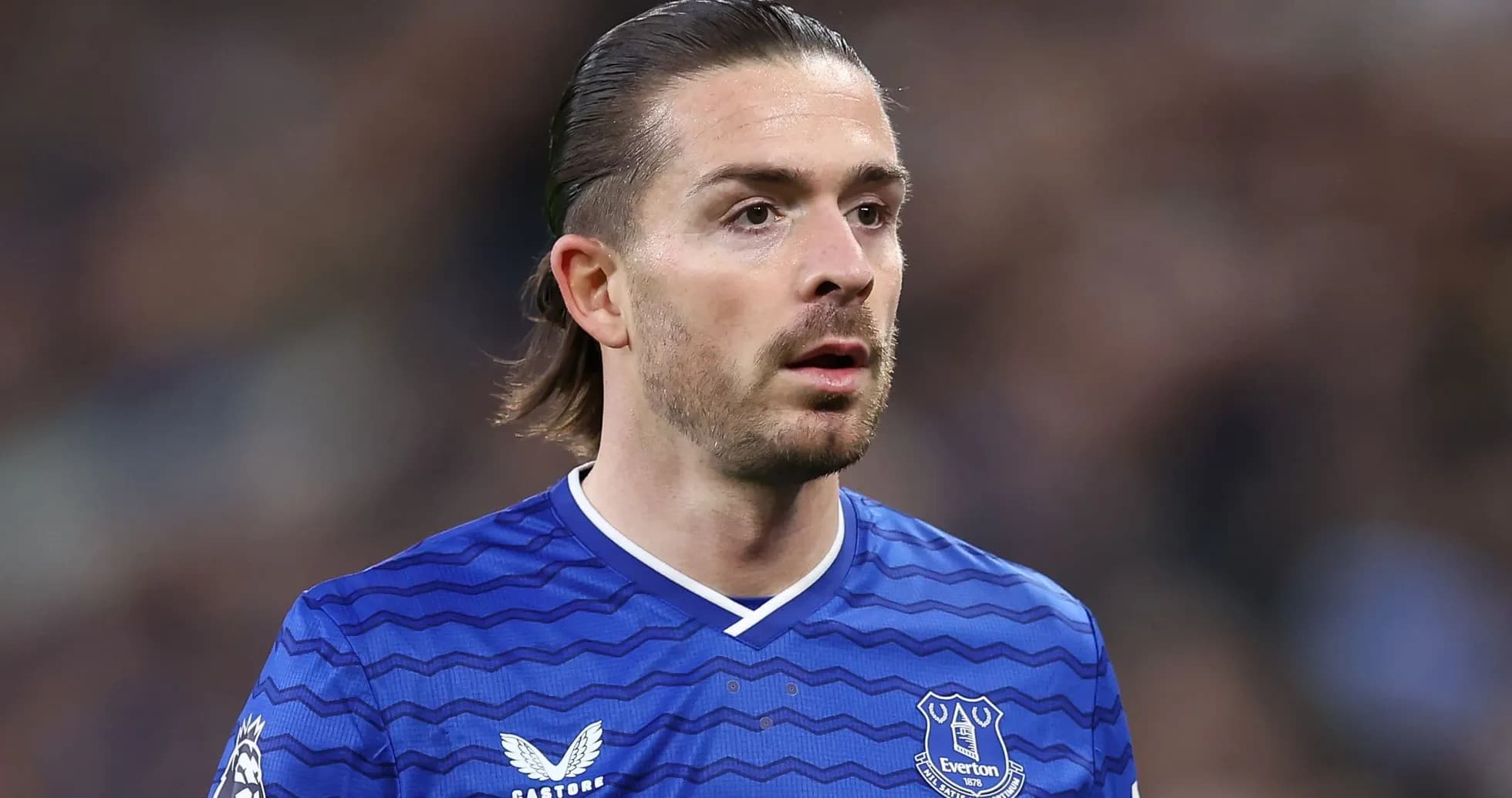
City’s attack is evolving. Guardiola wants younger, sharper, more explosive forwards, and the pecking order has shifted. Grealish’s loan to Everton last summer was meant to relaunch him, to give him the minutes he could no longer count on at the Etihad. Instead, it underlined the fragility of his situation.
A stress fracture in his foot, surgery in February, and his season cut short. Any hopes of playing his way into the shop window vanished on the operating table. For a club as ruthless and efficient as City, that complicates the exit strategy.
The numbers don’t help either. His age, his wages, his status. The technical quality is still there – that close control, the ability to carry the ball through tight spaces – but the Premier League market is unforgiving when sentiment meets salary.
Outside the traditional Big Six, few clubs can even contemplate the overall cost of signing him. Inside it, recruitment departments are scouring younger, cheaper, more dynamic options. Grealish, for the first time in a long time, finds himself between categories: too expensive for the chasing pack, no longer essential for the elite.
Chris Waddle, speaking to BetVictor, didn’t sugar-coat the situation. He framed it in blunt, dressing-room terms: City are moving on, Grealish needs a new contract elsewhere, and the club may have to accept a free transfer or a very low fee just to clear his wages.
That is the stark reality. A player who once commanded a British record transfer fee now risks becoming a cut-price departure.
Wages, Reality and the Second Tier Question
Waddle’s assessment cuts to the core of the issue: is Grealish, at 30, with his injury record and current output, still a player who justifies a top-bracket Premier League wage?
Plenty of fans would argue yes on talent alone. Clubs, though, operate on balance sheets and projections. They see a 30-year-old on a substantial salary who has just lost a vital season to injury. That changes the equation.
Waddle floated a possibility that would have been unthinkable at the height of Grealish’s Aston Villa days: a move to the second tier if he wants to stay in England and play regularly. The Championship has become a landing spot for big names seeking minutes and a reset. For Grealish, it might be the level where his quality could dominate again, where he could become the focal point instead of a rotation piece.
City, Waddle suggested, will look to “cash in” this summer, even if that simply means trimming the wage bill and accepting a modest fee. The priority is clarity: a clean break, a new direction, and space for the next wave of attacking talent.
The Wrexham Wildcard
Then there is the wildcard. Wrexham.
On paper, it sounds outlandish. In reality, it fits the modern football circus perfectly. A “Hollywood” club with global reach, fronted by Ryan Reynolds and Rob McElhenney, chasing promotions and headlines in equal measure. A player with Grealish’s profile, charisma and commercial pull would drop straight into the centre of that story.
Waddle even name-checked them as the sort of club who might at least dream about it if they keep climbing: the idea of Grealish in a Wrexham shirt, leading a newly promoted side, is the kind of narrative that sells shirts, streams and documentaries.
But romance meets regulation. Financial Fair Play looms over any such move. Wrexham’s revenue, crowds and commercial growth all have to stack up against the cost of a player on a Manchester City wage. Right now, that gap is enormous.
Waddle acknowledged the tension: it would be a “good story,” but affordability is another matter. For all the glamour, Wrexham cannot simply spend their way through the pyramid without consequences.
A Career at a Crossroads
Strip away the speculation and one truth remains: Grealish is approaching a decisive moment. He has, by Waddle’s reckoning, another year left at City, but the club’s stance is clear. They are ready to move on. He must be as well.
The next contract will define the final prime years of his career. Does he chase one last big wage packet on the fringes of a top club? Does he drop down a level to become the main man again? Does he embrace a left-field project, at home or abroad, where the football is enjoyable and the pressure different?
Waddle’s advice, implicit in his comments, points towards simplicity: find a place where he can enjoy his football for the next two or three years.
For a player who once carried a club on his back and then tasted the highest honours at City, that might be the hardest decision of all. Not where he can earn the most, or pose in the biggest shirt, but where Jack Grealish can feel central again.
His time at Manchester City, as Waddle put it, is “basically done.” What comes next will tell us how he wants the final act of his career to read – a slow fade on the margins of the elite, or a bold step into a new stage where the ball, and the spotlight, are his again.