Juventus Ends AZ's Unbeaten Streak: Spalletti's Strong Message
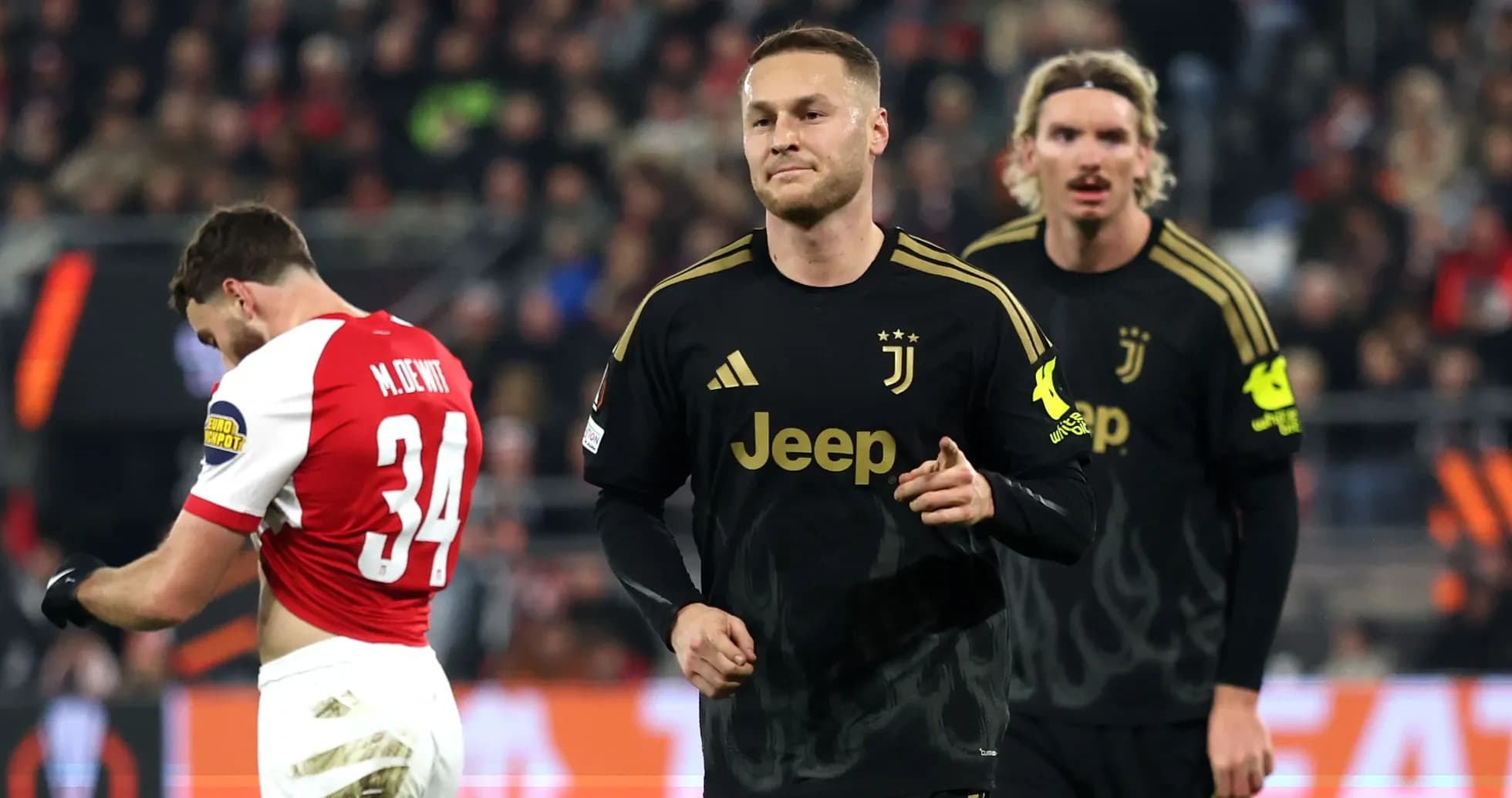
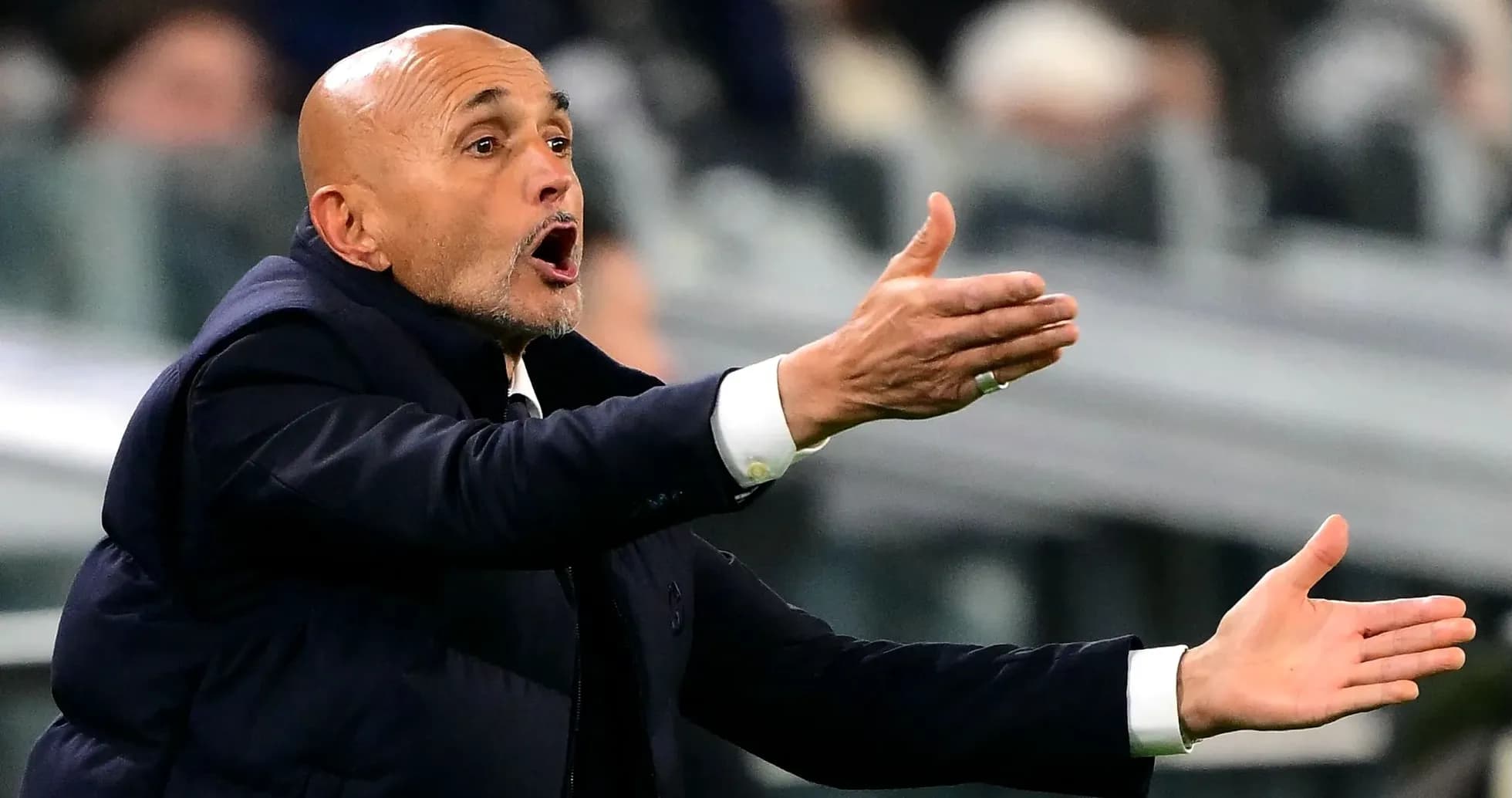
Luciano Spalletti walked off the pitch in Alkmaar with three points, a broken streak at his feet and a message burning on his lips. Juventus had just ended AZ’s 17-game unbeaten home run in European competition with a gritty 2-1 win, and the coach was in no mood to let the narrative slip away from his players.
This, he insisted, was not about a Dutch side flattering to deceive. It was about a Juventus team that came to the Netherlands bruised, short-handed and still brave enough to play on the front foot.
Spalletti hits back: “Give us – and them – our due”
With key names like Weston McKennie and Kenan Yildiz missing, Juventus could easily have leaned on excuses. They did the opposite. They dug in, pressed high, and snapped a proud European record in hostile territory.
Spalletti, though, has heard the commentary around his team often enough to know what comes next. Win, and the opponent is dismissed. Lose, and the inquest begins.
He was having none of it.
"I am very satisfied, because we played well against a very strong team," he told Sky Sport Italia, before turning his fire on what he sees as a recurring lack of respect for those Juventus beat. He referenced NEC, another opponent written off because of their league position, and used them as a symbol of a wider problem: whenever Juventus win, the story quickly becomes that the other side was weak.
"So we need to rethink our approach to giving the others their due," he argued. "When you win, it's because the others are weak, and instead tonight we won a great match and played great football."
The message was clear. Respect the performance. Respect the opposition. Respect the work.
Tactical courage, late nerves
For long stretches in Alkmaar, Juventus looked exactly how Spalletti wants them to look: aggressive, authoritative, and willing to take risks high up the pitch. They took control of territory, went man-to-man in AZ’s half, and imposed their structure on the game.
The scoreline, though, did not reflect their dominance. Juventus created enough to kill the contest, but left the door open. When AZ finally pushed back and pulled a goal back late on, the tension was entirely self-inflicted in Spalletti’s eyes.
"We sat there, we weren't getting out and then we conceded; if it lasted another five minutes we wouldn't have brought it home," he admitted. For a coach who demands proactivity, the sight of his side dropping too deep was a red flag. "For how we conducted it, the third goal should have been scored."
He still saw plenty to like. Authority. Strength. Quality. Courage. Those were the traits he listed as Juventus’ calling cards on the night. He pointed to the space that Kolo Muani found and could have exploited even more, and he did not spare his substitutes either.
Only in the final stretch, he said, did Juventus retreat into themselves. Players with the tools to hurt AZ on the break, such as Jeremie Boga and Jeff Ekhator, did not restart transitions as sharply as they could have. The team collectively sank too low, caught in that dangerous halfway house between pressing and parking the bus.
Collective graft over individual glory
Teun Koopmeiners’ display against his former club offered an easy headline. Spalletti resisted it. He refused to let the night become about one returning star when, in his view, the entire structure had carried the result.
"I don't want to make distinctions because there are also those who did the dirty work and did it well like Lucumi or Kalulu, they are all very positive signs," he said, singling out Jhon Lucumi and Pierre Kalulu as emblematic of the unseen effort behind the victory.
For Spalletti, the real story lay in the team’s willingness to go man-to-man in AZ’s half. That approach always brings risk, but it also defines the identity he is trying to stamp on Juventus. It demands defenders who are happy to duel, midfielders who can cover ground, and a goalkeeper who can do far more than simply stand on his line.
"How many times have we said that the goalkeeper only has to save? Instead, he must know how to play with his feet because it cancels out all the pressure you face," he noted. In that one line, he laid out the modern standard: if you wear the gloves for his Juventus, you help build, not just block.
Mental edge and the cost of hesitation
Strip away the tactics and Spalletti kept returning to one theme: mentality. For him, this win in Alkmaar was not just about a broken streak or a group-stage position. It was about a team learning to live in the opponent’s half, to embrace pressure rather than fear it.
"This is the victory, having been in their half; there was a great attitude and great mentality," he said. That, in his mind, is when Juventus truly convince – when they show the edge, the aggression, the refusal to drift.
What did bother him was the way AZ’s goal arrived. Not the system. Not the shape. The hesitation.
"We didn't make a decision and a decision not made is worse than a wrong decision," he reflected. On a pitch moving at full speed, waiting is fatal. Allow the opponent to organize, to breathe, and you invite exactly the kind of late surge that almost undid Juventus here.
At the end, he wanted his forwards to hold the ball higher up the pitch, to buy time and relieve a backline under siege from AZ’s fierce counter-press. They did just enough, but only just.
Still, as he looked across his squad – starters, substitutes, and those who never left the bench – Spalletti’s verdict was unambiguous: "Tonight we played a very beautiful game and I am happy with every one of my players, even those who stayed on the bench."
A long unbeaten home run in Europe is gone. In its place stands a Juventus side that has taken a significant step in belief and identity, with a coach who now expects everyone else to catch up to what he already sees.