Kimi Antonelli: A Rising Star in Formula One’s Shadow
Kimi Antonelli arrived in Brazil as Formula One’s newest world champion and left with something far heavier than a trophy: the weight of a comparison no young driver really needs.
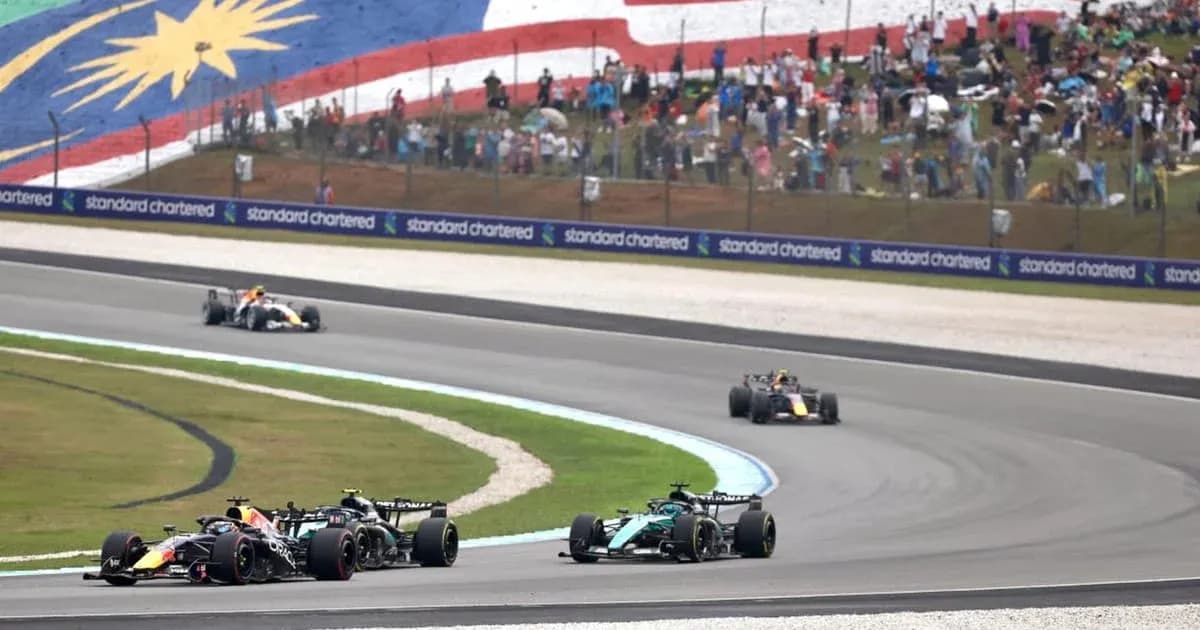
At Interlagos, where Ayrton Senna’s legend still hangs in the humid air, the 20-year-old Italian helped Mercedes wrap up a ninth constructors’ title with a measured fifth place. It completed the team’s first drivers’ and constructors’ double since 2020, a neat statistical full stop on a season Mercedes once again bent to their will.
But the numbers are the easy part. The name is not.
Wolff draws a line in the sand
Toto Wolff has watched the hype grow around Antonelli all year. The titles, the raw speed, the poise under pressure – the ingredients are familiar. The comparisons, inevitable. In Brazil, he pushed back.
“Comparing Kimi to Senna? I was always not very keen in having this comparison because Senna is a giant of the sport,” the Mercedes team principal said. “Who he was as a person, who he was as a racing driver and I feel that setting these standards for a 20-year-old driver is a lot of pressure.
“That’s why I want to, how can I say, not compare him at this stage. He’s Kimi; Senna was Senna.”
It was a rare moment of Wolff trying to slow a story that seems determined to race ahead of itself.
A champion in Senna’s shadow
Antonelli hasn’t exactly ducked the connection. He grew up studying Senna’s races, frame by frame, and chose the Brazilian as his guiding star long before he ever sat in a Formula One car.
He now drives with No 12 on his Mercedes, a deliberate tribute to the number Senna carried in the early years of his F1 career. Under the rules, Antonelli could switch to No 1 next season as reigning world champion. He has already made it clear he will not. No 12 stays.
The symbolism is obvious. The intent is not arrogance; it is homage. But homage has a habit of inviting expectation.
A pilgrimage to the source
Before the São Paulo Grand Prix, Antonelli made the journey almost every Brazilian fan has made in their head and many in person: to the Senna family estate and then to the grave of the three-time world champion, killed at Imola in 1994.
He sat in Senna’s Lotus 98T – the black and gold icon that carried No 12 to victory in Spain and Detroit in 1986 – and later posted a picture of himself in the cockpit. “I will carry these memories with me forever,” he wrote.
For a boy who once watched those races on a screen, it was a loop closing in real time.
Senna’s niece, Paula, presented Antonelli with a sculpture of her uncle she had made herself. She spoke of how pleased she was to see what “a special character” the young Italian was. It was not just the lap times that had impressed her.
Wolff, watching from a slight distance, understood the significance of what was happening.
“It’s sweet to see that how the Senna family embraces him. They say that it’s the first time that it looks like there is a second Senna,” he said. “And that is the first time that you can say, OK, he’s a little bit like him. But maybe at that stage he’s a Senninha and not a Senna yet. So let the Senninha develop, let him become a Senna.”
Senninha – “little Senna” – is what the family call him, the same nickname as the comic-book hero inspired by Ayrton. It is affectionate, but it is also a reminder: this is a beginning, not a coronation.
A title, but no guarantee of an era
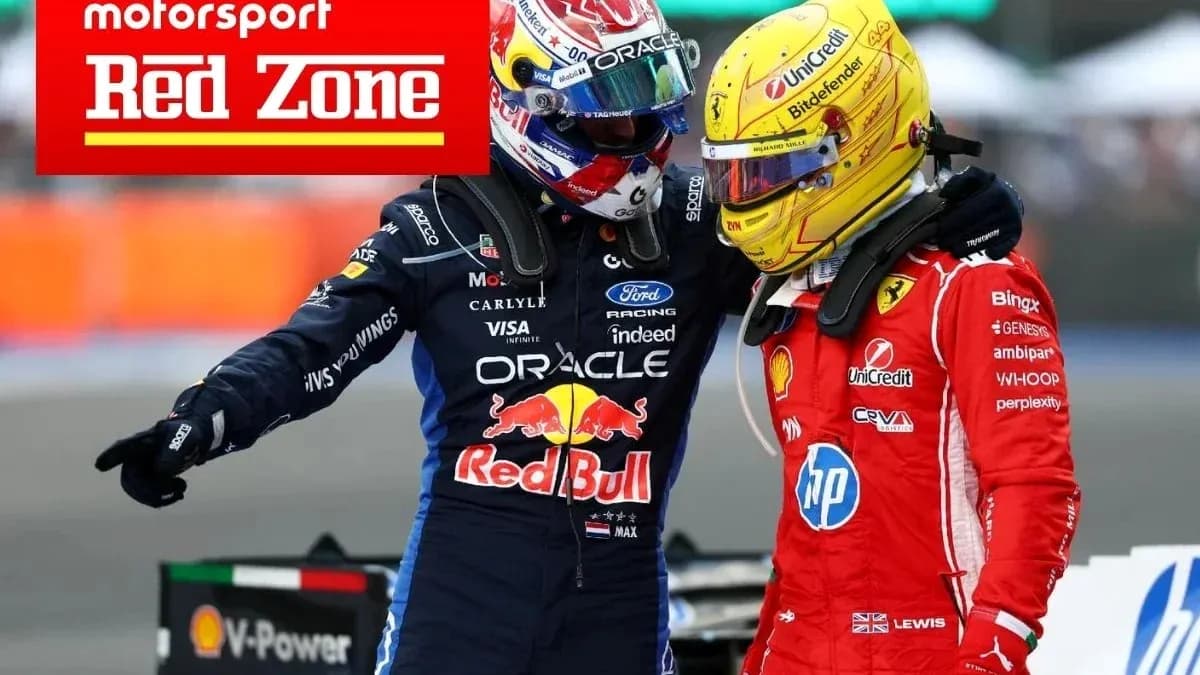
On track, Mercedes have their titles in hand with three races still to run. The car was the class of the field for the first half of the year, and Antonelli converted that advantage into his first world championship with time to spare, sealing it in Mexico before backing it up with solid points in São Paulo.
The temptation is to declare the start of another Mercedes dynasty, a return to the days between 2014 and 2021 when the team hoarded eight constructors’ and seven drivers’ titles and turned dominance into routine.
Wolff is having none of that either.
“It looks like the most maybe competitive era that is about to start, because the teams have become so professional in capability, in resource, that these kind of runaway seasons, I don’t see them any more,” he said.
Red Bull, McLaren, Ferrari – all have shown enough pace and enough clever development this year to make any talk of a new stranglehold sound naive. The margins at the front are thinner now, the punishment for a misstep more brutal.
“You can see how quickly it goes from being dominant and within a few races you realise that your upgrade doesn’t work and you fall back and you’re just third on the road,” Wolff said. “It’s great for the sport. I wished it was the era of Mercedes and me running away with another few championships. I don’t think it’s the reality.”
That blunt realism cuts through the romanticism swirling around Antonelli’s rise. Mercedes have their champion, but not a guarantee. They have their double, but not a cushion.
The Italian leaves Brazil as world champion, adopted by the Senna family, wearing No 12 and carrying the nickname Senninha into a grid that has never been tighter. The legend he idolised did his greatest work from this very country.
Now the question is simple, and impossibly demanding: can the “little Senna” carve out something that is entirely, unmistakably his own in a sport that no longer lets anyone run away?