Kobbie Mainoo’s Unused Potential at World Cup
Kobbie Mainoo arrived at this World Cup as one of the Premier League’s brightest late-season stories. He had driven Manchester United’s surge into the Champions League places in the 2025/26 run‑in, forced his way into the England squad and looked like the kind of fresh-legged, fearless midfielder tournaments often throw into the spotlight.
He hasn’t played a single minute.
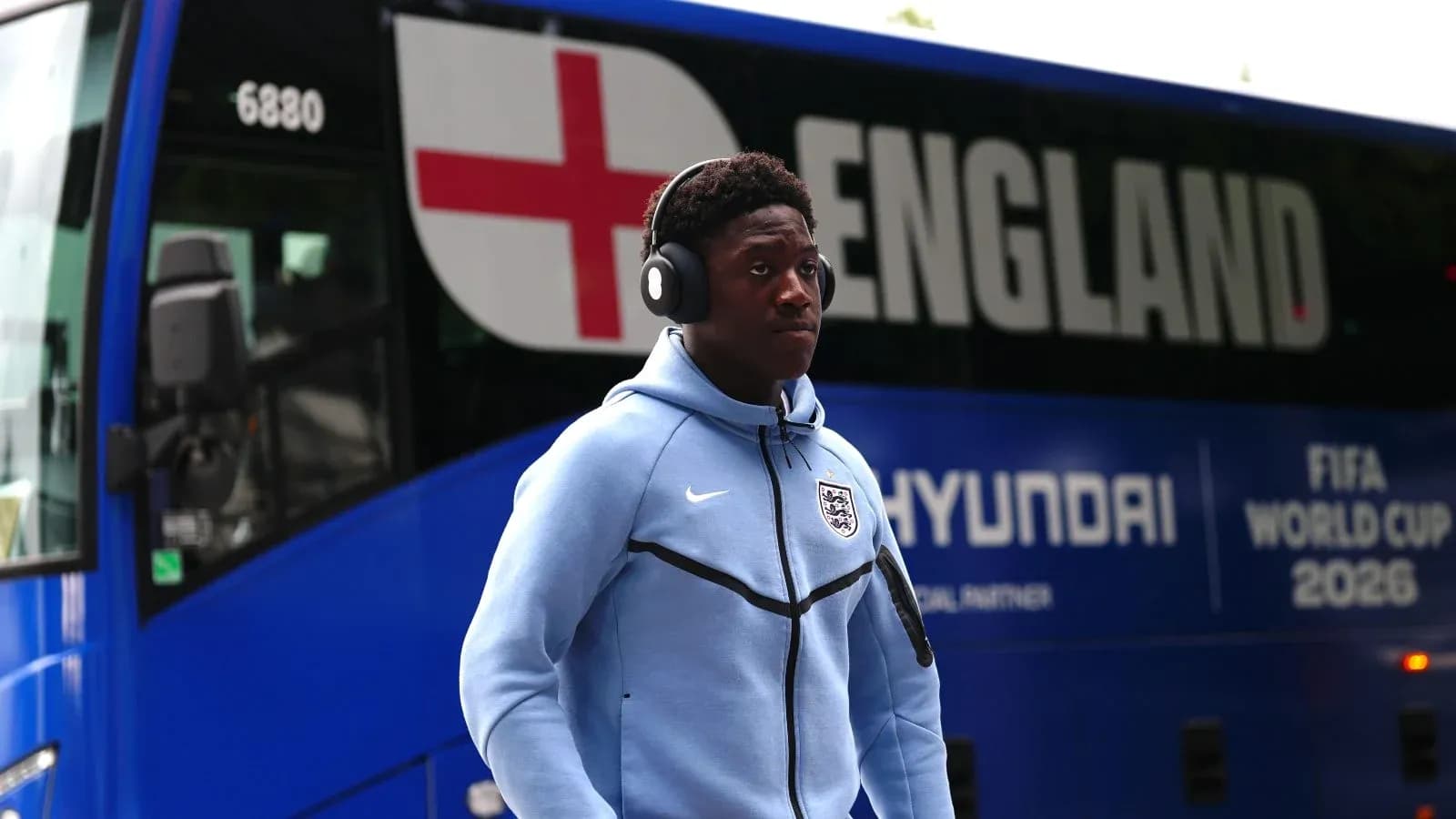
While England laboured through games crying out for invention and control in midfield, the 19-year-old sat on the bench, then walked straight out of stadiums, headphones on, alone. A symbol of unused potential in a campaign that never quite found its rhythm.
A place in the squad, but not in the plan
From the outset, Mainoo was never expected to dislodge Declan Rice. Tuchel built his midfield around Rice’s authority and the energy of Elliot Anderson, and that hierarchy held firm. Mainoo’s realistic target was to be the first alternative: a game-changer when legs tired, a starter when fitness issues inevitably crept in.
Those issues did arrive. Rice battled fitness problems, Jordan Henderson picked up an injury, and England’s structure in possession looked increasingly rigid. On paper, this was Mainoo’s opening.
In the week leading up to the second group game against Ghana, it seemed that door had finally swung open. According to The Daily Mail, Mainoo was used in central midfield alongside Anderson in training as Rice’s struggles grew more obvious. Inside the camp, there was a genuine sense he was edging towards a meaningful role.
Then Tuchel shut it down.
Tuchel’s change of heart
The Mail reports that Tuchel “had not liked what he saw” from Mainoo in that build-up. The specifics remain behind closed doors, but the conclusion was blunt: the manager stepped back from the idea of starting him against Ghana and, from that point on, never turned back.
The picture painted around Mainoo’s tournament is a stark one. He “did not play a minute despite Rice’s fitness issues and Jordan Henderson’s injury”. After almost every match, he was “the first player to leave the stadium, always alone and with headphones in.”
The Athletic adds more detail to that mood. Their reporting describes Mainoo as “unhappy” during the World Cup, often the first back on the team bus. For a teenager at his first major tournament, this was no wide-eyed sightseeing trip. It was frustration, and it showed.
Misread youngster or lost trust?
Inside the squad, even those close to the camp were unsure what Tuchel really wanted from Mainoo.
One source, quoted by The Athletic, wondered if Tuchel had simply misjudged the player’s mindset – assuming he would be content just to experience a World Cup from the fringes, a youngster happy to soak it all in without demanding minutes.
Others took a harsher view: that Mainoo had not done enough to earn the manager’s trust when it mattered. Training, they felt, had not shifted Tuchel’s opinion decisively enough, even as injuries and fatigue piled up around him.
What complicates that reading is another line from the same report: a source close to the camp insisted Mainoo trained well. The work was there. The reward never came.
The final insult: Reece James in midfield
If there was a moment that crystallised the confusion around Tuchel’s handling of Mainoo, it came late in the tournament.
As Rice continued to struggle physically, as England searched for solutions, Tuchel turned not to his specialist young midfielder, but to a defender. Reece James was pushed into midfield and used ahead of Mainoo in the closing stages of the campaign.
For a player already wrestling with disappointment, that decision cut deep. It told him, in the clearest possible terms, where he stood in the pecking order. Not just behind Rice and Anderson. Not just behind an injured Henderson. Behind a converted full-back, too.
By the end, one thing was obvious: there was never a coherent plan for Kobbie Mainoo at this World Cup. He was selected on form, carried on reputation, and then left untouched when the tournament demanded brave choices.
England will move on. Tuchel will face his own inquest. But the image lingers: a gifted young midfielder, headphones on, walking alone into the night, still waiting for a chance that never came.