Lando Norris: The New Master of Rain in F1
Think back to Sochi, 2021. The rain, the tension, the heartbreak. The story that settled in quickly was simple: Lando Norris panicked, threw away his first Formula 1 win, and exposed a flaw when the pressure rose with the water level.
That version is tidy. It’s also wrong.
Sochi did show a McLaren weakness in the way the team handled the late chaos, but Norris’s own driving that day – right up until the second, brutal wave of rain – was a showcase of what he really is in mixed conditions: sharp, intuitive, and brutally fast when grip disappears.
That memory came flooding back at Interlagos.
Interlagos reminder
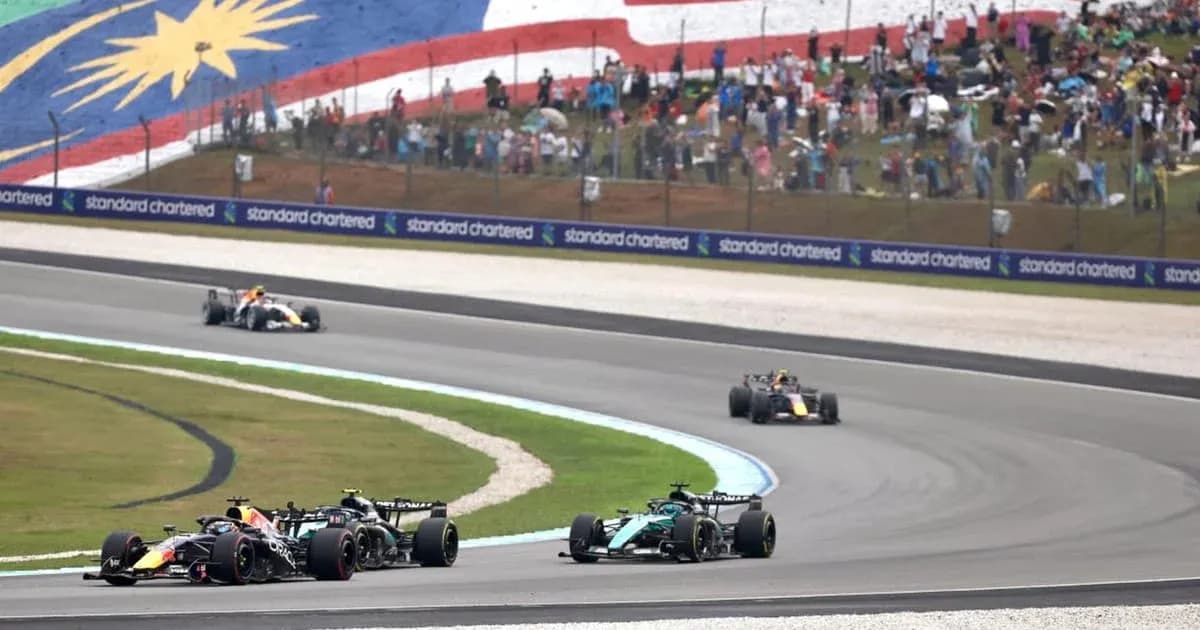
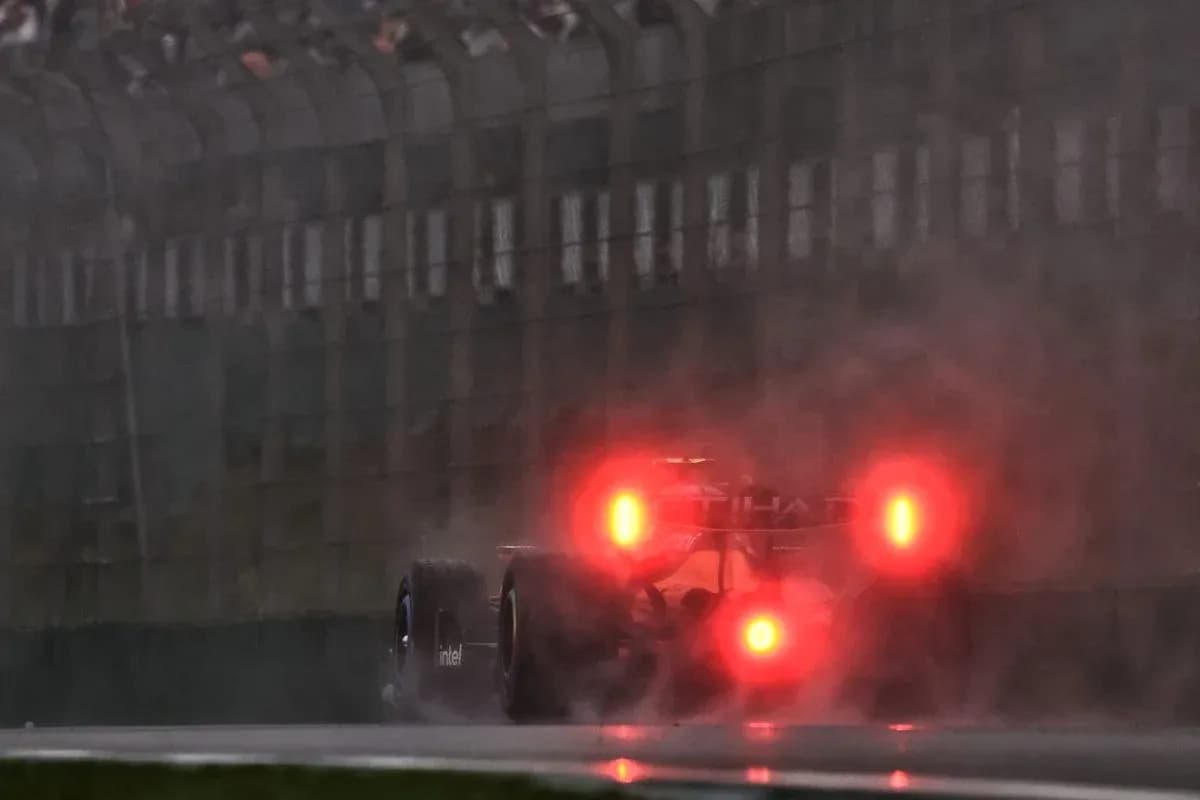
In Brazil, Norris didn’t just win a wet-dry-wet grand prix from pole. He controlled it with the kind of feel that separates the very good from the rare few who seem wired for days like this.
He had some luck. George Russell lost a shot at pole when he hit Alex Albon’s Williams in the final Q3 run. Kimi Antonelli, who had looked so assured early on, faded as the race unfolded. But none of that changes what Norris did with the opportunity.
He wasn’t the outright fastest car at every phase. He didn’t need to be. When the track hung in that awkward no-man’s land between slicks and intermediates, when everyone else looked uncertain, Norris kept surfacing at the top of the timesheets. Lap after lap, he hunted for grip where others only found risk.
It was from the same catalogue as Sochi: leading in the rain, reading the surface, running quick enough on the edge to make a win not just possible, but likely – until the weather crossed a line no one on slicks could survive.
A wet-weather record hiding in plain sight
Strip away the noise and the pattern is obvious.
Norris now has four victories in rain-affected grands prix. Zandvoort this year just about makes the list – damp patches at the start, right on the fringe of what you’d call a “wet” race – but it still counts in the record books.
Around those wins sits a catalogue of days that underline the same point:
- A razor-sharp sprint drive in China in 2024.
- Pole in Brazil this year, set in conditions that punished the slightest misread of grip.
- That ferocious, ultimately unlucky charge in mixed weather in Canada two seasons ago, where safety-car timing strangled a result his pace deserved.
- Even Las Vegas qualifying a year ago: Norris slid massively late in the lap, lost a chunk of time, and still took pole because he’d been so outrageously fast up to that point.
These aren’t isolated flashes. They’re a trend.
McLaren team principal Andrea Stella doesn’t exactly play it down.
“When Lando operates at his best, he's definitely one of the best drivers on the grid,” he said after the Interlagos win. “When you have mixed variable conditions, he is one of the fastest in finding the limit.
“You have seen this [at Interlagos] as well. When the track was in the middle between dry and wet was when he was probably gaining most on anybody else.
“He's very sensitive in understanding how much grip is available. Very, I would say, even complete as a driver from a technical point of view in terms of understanding how to deploy his tools to use the grip that is available, or to adapt to the balance of the car.”
Of course Stella talks up his own driver. Every team boss does. But the last eight seasons back him up.
The perception gap
Ask around, though, and you still find a disconnect between reputation and reality.
A poll of newsletter subscribers put Norris at just under 6% when fans were asked to name the best wet-weather driver in F1. Max Verstappen dominated with 74%. Lewis Hamilton followed on 13.6%. Norris barely scraped into the conversation.
So how does a reigning world champion, now with 14 grand prix wins, still sit in the shadows in one of the sport’s most romanticised skill-sets?
Part of it is Verstappen’s relentless excellence. When a driver strings together season after season of almost unbroken superiority, everyone else gets framed as “very good, but not Max”.
Part of it is Hamilton’s archive: Silverstone 2008, Germany 2018, countless afternoons where rain fell and he simply drove away from the field. The “regenmeister” tag sticks to those who’ve done it longest.
And part of it is that Sochi story. Once a narrative hardens – Norris as the kid who cracked under pressure in the wet – it takes more than one great Sunday to dislodge it.
Imperfections in the storm
None of this is to paint Norris as flawless in the rain.
Critics can point to Spa 2021. He lit up Q1 and Q2 in horrendous conditions, then pushed too far at Eau Rouge in Q3 and crashed heavily. The line between genius and disaster at Spa in the wet is razor-thin; that day, he landed on the wrong side of it.
They can point to the 2024 Brazilian Grand Prix, too, when he started from pole and had what he himself called a nightmare in the wet. The car locked brakes, slid when others didn’t, and he never looked comfortable. Stella later highlighted the braking trait as a car issue more than a driver meltdown, but it still sits there as a blot on the highlight reel.
Those days matter. They show he’s human, not some untouchable rain god.
Yet they don’t outweigh the body of work.
A quiet threat whenever the clouds roll in
Strip away the myths and the noise, and you’re left with this: Norris is already a world champion, already a 14-time race winner, and in pure driving terms – that raw, seat-of-the-pants feel for grip and balance – he can live with anyone.
He may not deliver Verstappen’s week-in, week-out brutality. Few in history have. But on the days when the sky darkens and the circuit turns into a puzzle of damp lines and hidden puddles, he belongs in the same breath as the Dutchman and Hamilton.
The difference is that Verstappen and Hamilton are already etched into the sport’s wet-weather folklore. Norris is still writing his chapters.
The evidence suggests there will be more of them. More races where he reads the surface quicker, leans on the car harder, and takes time out of everyone when the track is at its most treacherous.
The next time the rain hits and the field bunches nervously behind the spray, the obvious question will be who to watch: Verstappen? Hamilton?
Maybe the better question now is this: how long before Lando Norris stops being the underrated option, and simply becomes the name everyone expects to see at the front when the heavens open?