Lando Norris and Hamilton's Milestone at Interlagos
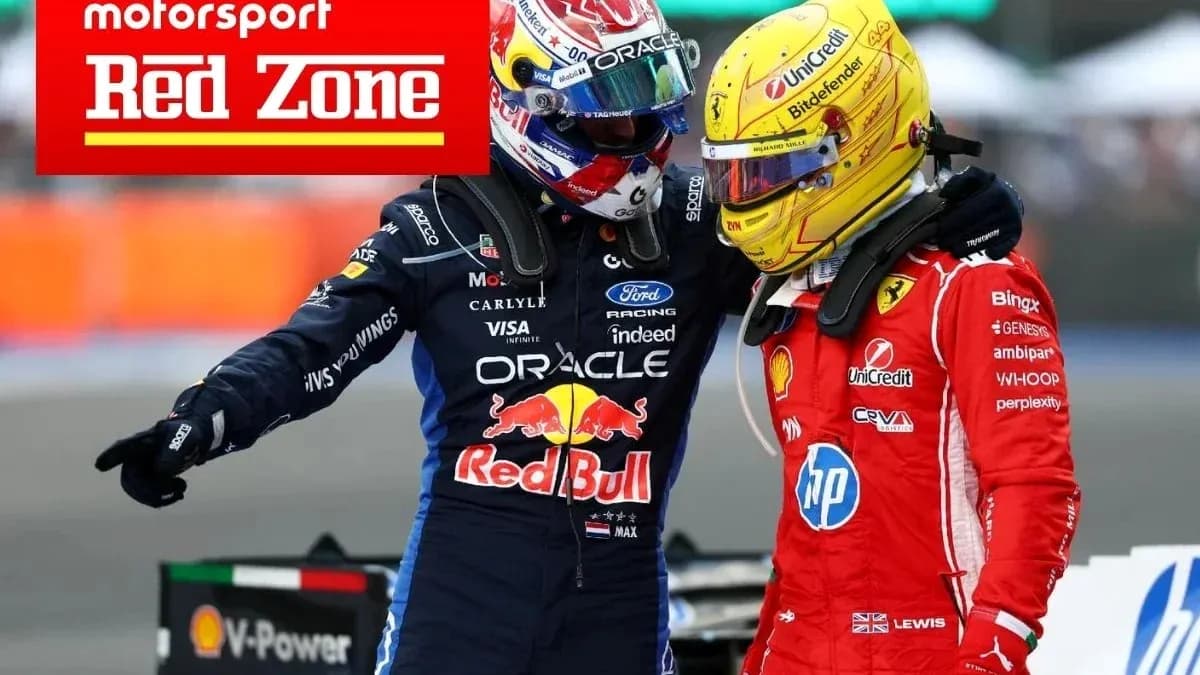
Lando Norris mastered the chaos. From pole, in a race that swung from wet to dry and back again at Interlagos, the McLaren driver kept his head while the weather, strategy calls and nerves frayed all around him. Behind, Max Verstappen charged from the back of the grid to second after an engine penalty, with Isack Hadjar delivering a breakout podium in third for Red Bull.
Mercedes left Brazil with something more lasting than a trophy. George Russell’s fourth place and Kimi Antonelli’s fifth sealed their first constructors’ title since 2021. On a day of shifting skies and shifting eras, the sport’s past, present and future all seemed to share the same piece of tarmac.
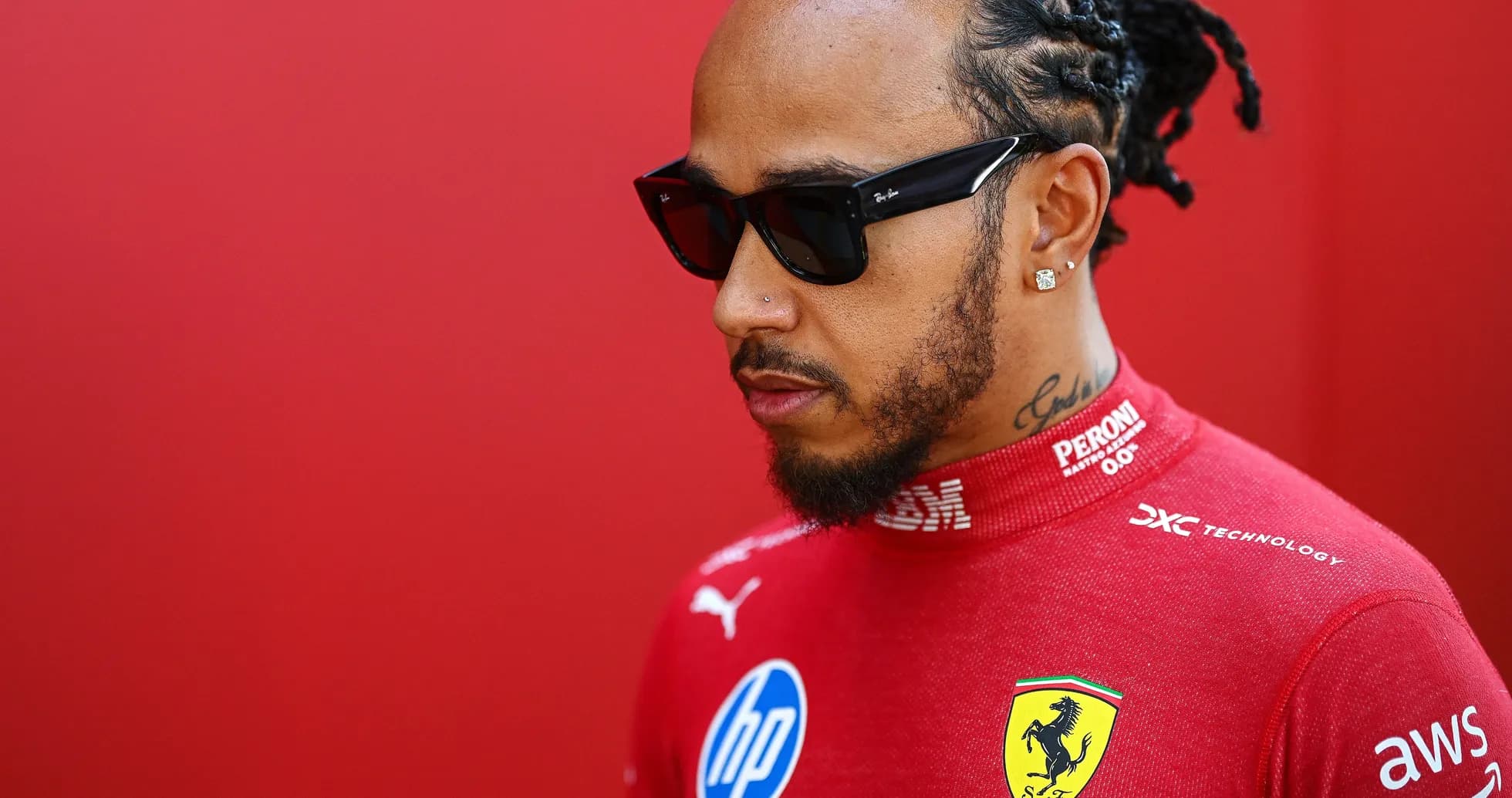
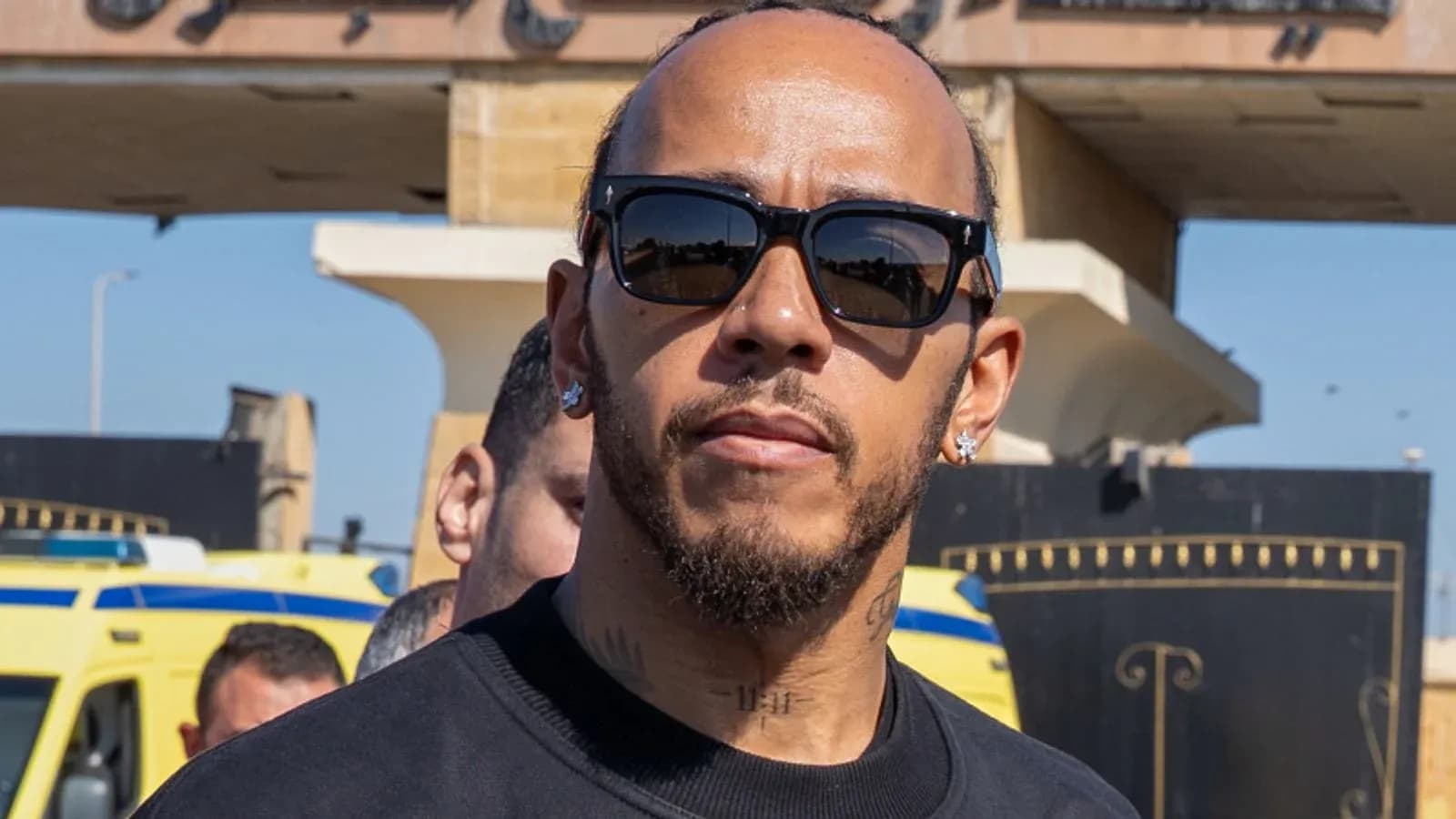
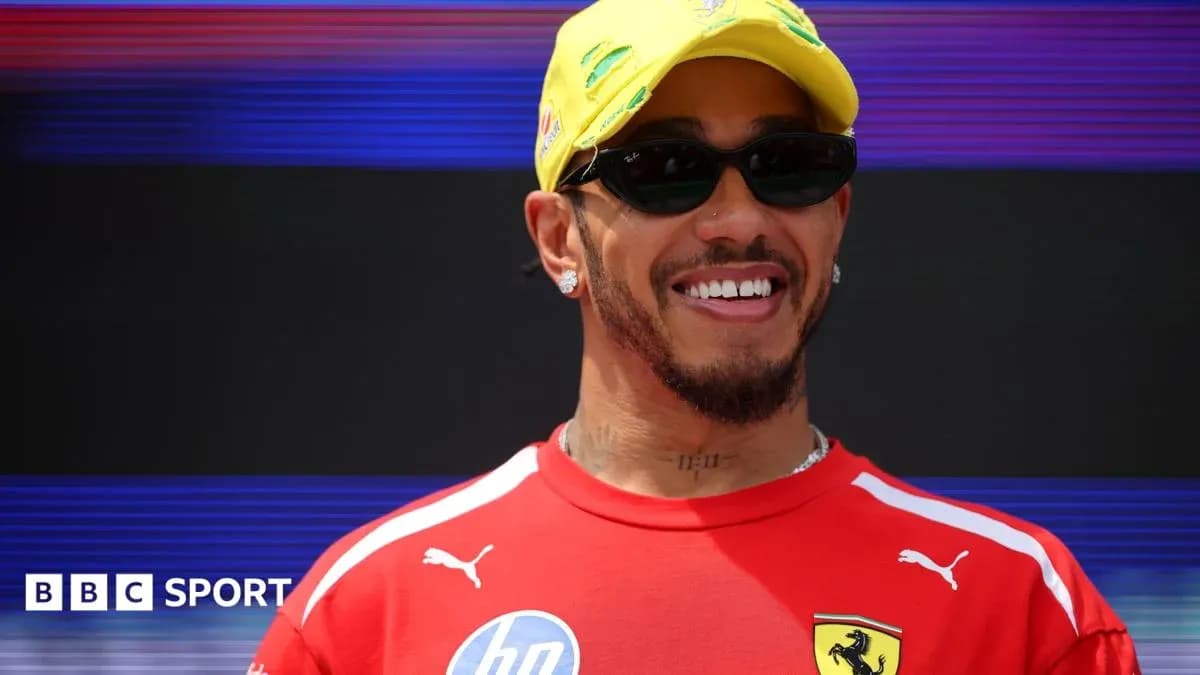
Amid it all, one number cut through: 400. Lewis Hamilton’s 400th grand prix. A milestone that raises an old question in a new light: how long can he keep doing this at the very top?
Hamilton at 400: still one of the giants
Strip away the noise and Hamilton’s status is brutally simple. No one has more wins. No one has more pole positions. He sits level with Michael Schumacher on seven world titles, with a sizeable corner of the paddock convinced he should already have eight after the bitterly contentious 2021 finale.
But greatness in Formula 1 is not built on spreadsheets alone. It lives in days like Silverstone 2008, when Hamilton tore through the rain as if driving on a different planet, and São Paulo 2021, when he came from the back of the sprint grid and then the middle of the main race to crush the field. Those drives sit in the sport’s folklore. They are why his name is spoken in the same breath as Fangio, Senna, Schumacher.
He has won races in nearly every season he has competed in. The outliers – 2022, 2023 and 2025 – came in the era of the ground-effect cars, when Mercedes lost its way and Hamilton, for the first time in his career, looked mortal.
He was beaten by George Russell in two of their three years together in those machines. Last season, against Charles Leclerc at Ferrari, he often looked dulled, uncomfortable, like a driver wrestling a concept rather than attacking a car. For a man once praised for his ability to adapt to anything, it jarred. The questions followed: had age finally started to bite? Had the sport’s new technical direction exposed the limits of even Hamilton’s range?
This year has changed the tone. The cars have moved back towards a style that suits him. Hamilton looks sharper, more instinctive, locked in a season-long duel with Leclerc on level ground. His own words in Brazil betrayed how much the last four years have stung.
“I never ever thought that I would be reaching numbers like that,” he said of 400 races. “It's crazy because I still feel young, and regardless of the things that people say, you saw my pole last week, I still have the pace, I still have the speed and I still have the dedication, which is most important and the focus. For me, that number is kind of irrelevant.”
He says he wants to race until Formula 1 returns to Africa, a project unlikely to hit the calendar before 2030. That would take him to 45 – the age Fernando Alonso is now, and Alonso is still delivering at an elite level, as his performance in Brazil underlined again.
Physically and mentally, there is no obvious cliff edge in sight. The bigger question is contractual and competitive. Hamilton’s Ferrari deal is believed to run only to the end of next year. If he is still this fast, and still this driven, who is really going to tell him to stop?
The fading of ‘yo-yo racing’
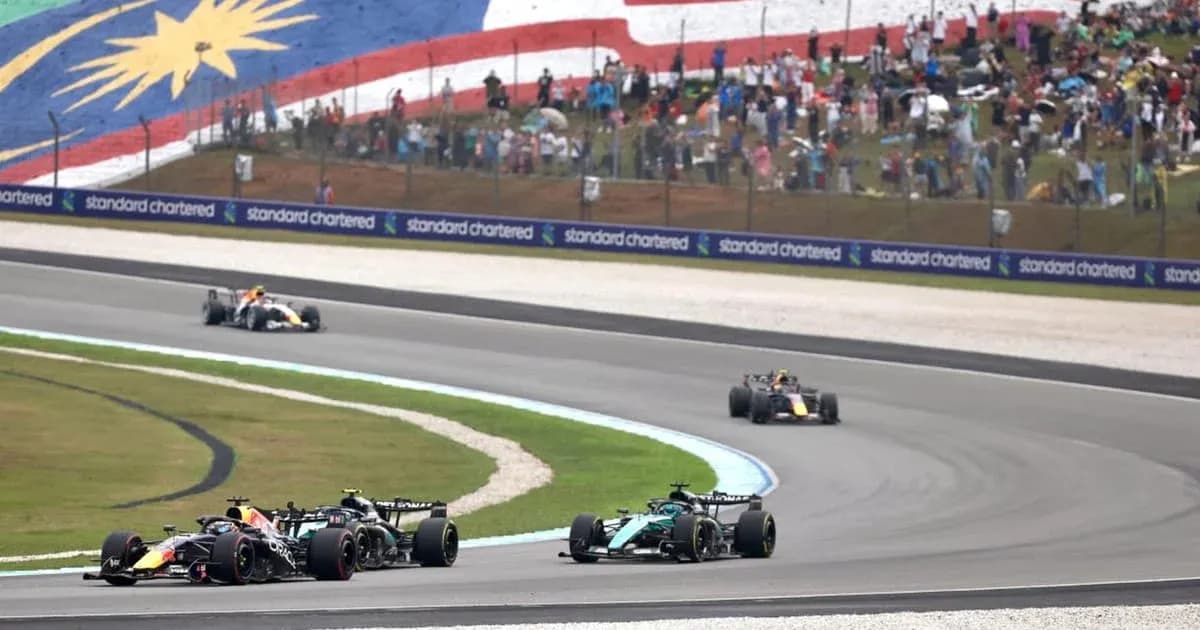
The first half of the season produced a new buzzword: “yo-yo racing”. DRS trains were old news; this was something different. Cars passed, were re-passed, then came back again over a handful of laps, slingshotting each other with bursts of electrical power.
It came from the new power units introduced this year, split almost 50-50 between internal combustion and electrical energy. They are powerful, but “energy-starved” in the way they harvest and deploy their electric boost.
Drivers had two key tools. A ‘boost’ mode that lets them call up extra electrical power whenever the battery allows. And an ‘overtake’ mode that hands a pursuing driver within a second of the car ahead an extra 0.5MJ of energy to use each lap.
Early on, with teams still learning the dark arts of this hybrid era, the pattern was wild. One driver saved more energy, attacked and passed. The car behind then found itself with more deployment available, struck back, and the whole thing bounced back and forth like a rubber band.
That spectacle has eased in recent races. Two main forces are at play.
- First, the calendar has moved away from the most punishing, energy-starved tracks, where drivers cannot simply run full deployment all the time. When circuits are less demanding on the battery, the swings in energy levels – and with them, the yo-yo effect – flatten out.
- Second, teams and drivers now have a season’s worth of data and hard lessons. They understand where to defend, where to save, how not to leave themselves exposed on the following lap. The rough edges have been filed down.
On top of that, the rule-makers have stepped in at certain venues, imposing energy limits at the worst offenders to prevent extreme peaks and troughs in deployment. And the longer-term plan is already written: shift the balance to a 60-40 split between combustion and electrical power by 2028, in two steps, to make the engines feel more conventional.
That will almost certainly trim the sheer volume of overtakes. What it should give back is a more natural rhythm for the drivers. Whether fans will miss the chaotic back-and-forth, or prefer the cleaner battles, is an argument waiting on next season.
Why a driver like Ocon stays in F1’s waiting room
For a driver such as Esteban Ocon, the decision to sit on the sidelines as a reserve rather than chase trophies elsewhere is about one thing: staying alive in the only paddock that truly matters to him.
Once it became clear Haas would not retain him and realistic race seats had vanished, Ocon made it plain he did not see his F1 story as finished. A reserve role, if he can land it, keeps the door wedged open.
It keeps him in the building – literally. He would be in the simulator, learning the latest cars, feeding back to engineers, sometimes driving recent machinery. If a race driver falls ill or is injured, the reserve is first in line. And every weekend, his face is in the garage, his name in the briefing room, his performance in practice sessions or tests fresh in people’s minds.
Leave for IndyCar, Formula E or endurance racing and the picture changes. Yes, he would be racing, winning, maybe even becoming a star in that paddock. But in F1 terms, he risks being filed mentally under “past tense”. Out of sight, out of mind is a brutal truth in this sport.
A reserve role is a gamble. There are no guarantees of a way back. But for a driver who still believes his peak belongs in Formula 1, it is the most direct route to another chance.
Lawson, Lindblad, Tsolov – and a different Red Bull calculation
Liam Lawson’s performances this year have fuelled an obvious question: why has he not already been locked in for 2027 at Racing Bulls?
The choice is not in the hands of the team alone. The decision over which two of Lawson, Arvid Lindblad and F2 frontrunner Nikola Tsolov will race for Racing Bulls next season rests with Red Bull’s powerbrokers: shareholders Chalerm Yoovidhya and Mark Mateschitz, and the company’s overall F1 chief Oliver Mintzlaff.
Under the old regime, shaped by Helmut Marko and Christian Horner, the call would likely have been ruthless. Lawson has already had a shot in the senior team, and Red Bull historically has not been sentimental. The traditional move would have been to cut him loose and promote Tsolov as the next name on the conveyor belt.
There is a strong counter-argument inside the camp. Pairing two unproven drivers – Lindblad and Tsolov – would leave Red Bull with no fixed reference point. Better, this line of thinking goes, to keep Lawson alongside Lindblad next year. Lawson is the known quantity, the benchmark. That way, the team can judge Lindblad properly over a full campaign, then make a clean decision at the end of 2027, with Tsolov waiting in the wings.
Racing Bulls boss Alan Permane all but spelled out that logic in Brazil.
He pointed to Red Bull’s hugely successful young driver programme, but also to its harsher edges – the snap calls, the short leashes. This time, he said, they want to “apply a little bit of science”, to study, analyse, and not rush. The drivers are impatient. The outside world is impatient. Red Bull, for once, is trying not to be.
The stakes are high. Get it wrong and they waste years on the wrong pairing. Get it right and they lock in the next pillar of the Red Bull machine.
Interlagos and the fight for F1’s soul
Interlagos delivered again. It almost always does. The short lap, the swooping corners, the weather that can turn a race on its head in minutes – São Paulo remains one of the purest racing tests on the calendar.
So should Formula 1 be doing more to ringfence tracks like this?
The sport is trying to balance four competing demands: a genuinely global championship, compelling racing, variety in circuit types, and hard commercial reality. The last of those often collides head-on with romance.
Many of the classic circuits sit in countries that either cannot or will not match the vast hosting fees on offer from governments keen to use a grand prix as a shop window. Autocracies with deep pockets can write cheques that historic European or traditional venues simply cannot match.
Liberty Media and F1’s leadership know the value of the old greats. Monaco, Silverstone, Spa, Suzuka – these places are part of the sport’s identity. Deals get reworked, compromises made, alternating years considered, just to keep them in play. Spa no longer has a guaranteed annual slot, but the effort to keep it on the roster at all shows the direction of travel.
At the same time, the championship cannot stand still. New markets matter. New races bring new audiences and new money. Las Vegas, for example, is never going to be a drivers’ favourite in the way Suzuka is. It is a street circuit stitched together in a city built for spectacle, not apexes. But it offers something else: scale, show, a sense of occasion that plays well on television and in boardrooms.
The next wave of permanent circuits is being shaped with more care. Former F1 driver Alex Wurz, now a track designer, has worked on the upcoming layouts in Qiddiyah in Saudi Arabia and in Rwanda. Both are due to join the calendar in the coming years, with Wurz pushing to make them genuinely challenging to drive and fertile ground for racing.
That is the tightrope Formula 1 walks now. Preserve the soul of the sport in places like Interlagos, while chasing the future in cities and countries that were never part of its old map. The question is not whether it can do both. It is how long the classic circuits can keep winning their own title fight – not on the track, but on the calendar.