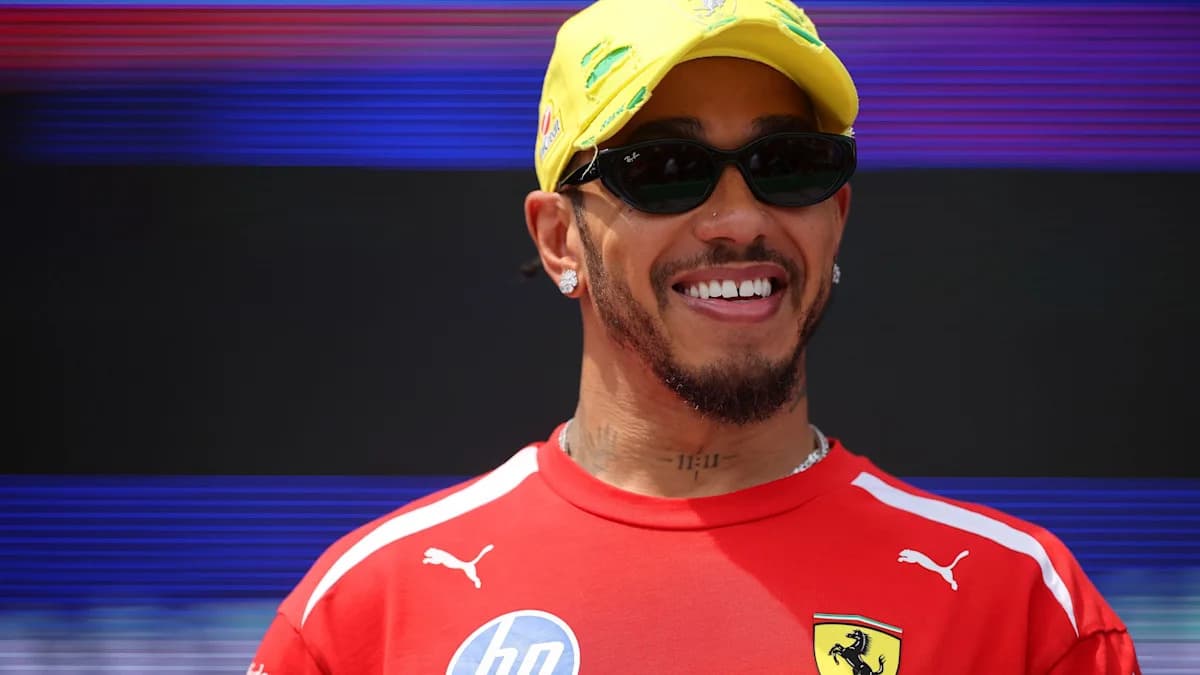
How Skilled is Lewis Hamilton and How Long Can He Compete in F1?
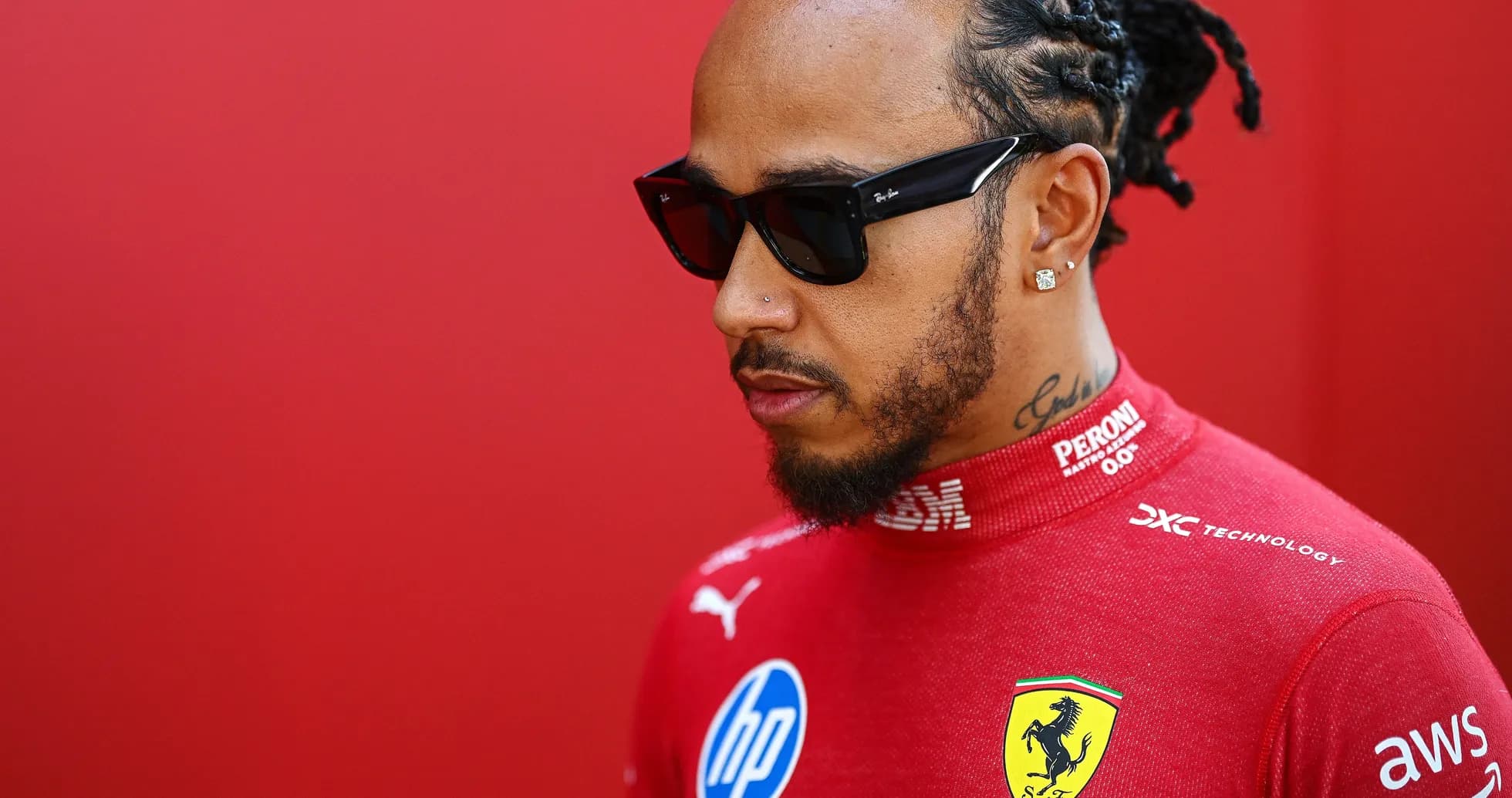
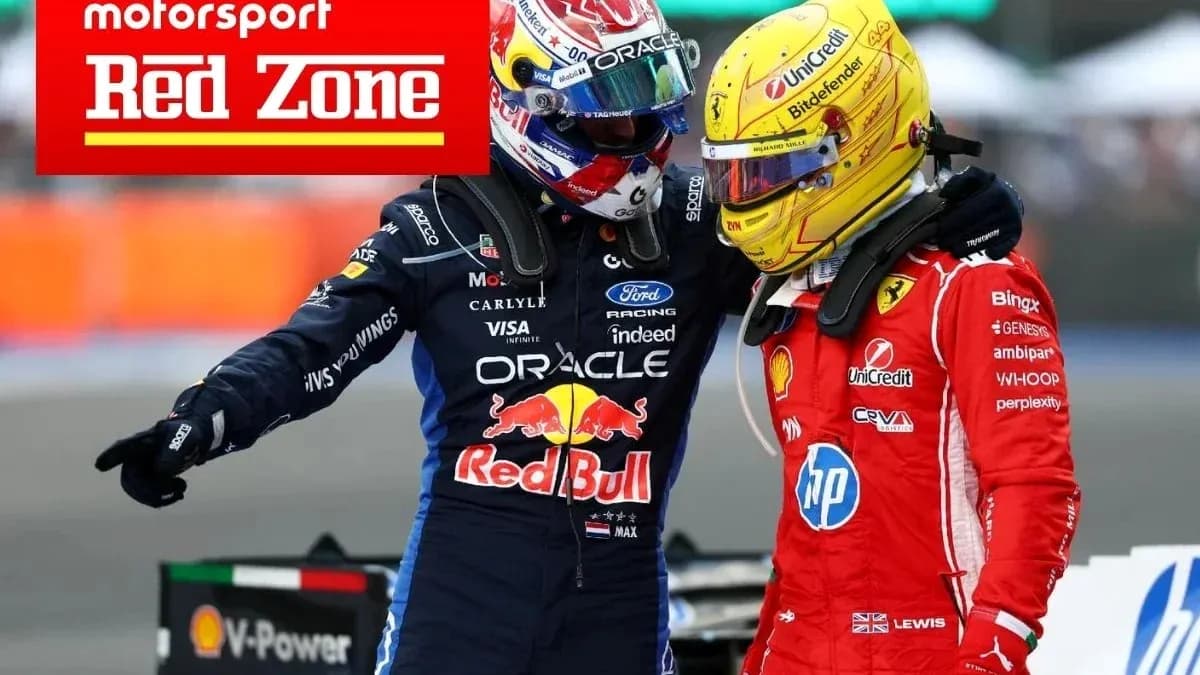
Lewis Hamilton recently marked his 400th Formula 1 Grand Prix, with over 100 starts from pole position. While some drivers have a higher pole percentage, Hamilton remains one of the sport's greatest.
He holds the record for the most race wins and pole positions and shares the most championships, seven, with Michael Schumacher. Many believe he deserves an eighth title, especially considering the controversy surrounding the 2021 season finale.
Greatness in F1 goes beyond numbers, yet Hamilton has consistently delivered remarkable performances that are etched in history, such as his drives at the 2008 British GP and 2021 Brazilian GP.
He has won races in nearly every season except 2022, 2023, and 2025. During those years, when ground-effect cars were introduced, Hamilton struggled compared to teammate George Russell and rival Charles Leclerc.
This decline sparked debate about his adaptability and whether age, now 41, played a role. Yet, with this year's car design, Hamilton is back in familiar territory, competing closely with Leclerc again.
"I never ever thought that I would be reaching numbers like that. It's crazy because I still feel young, and regardless of the things that people say, you saw my pole last week, I still have the pace, I still have the speed and I still have the dedication, which is most important and the focus. For me, that number is kind of irrelevant." - Lewis Hamilton
Longevity in sports varies by athlete. There’s no obvious reason Hamilton can’t continue racing for several more years. For example, Fernando Alonso, at 45, still performs impressively, as seen in Brazil.
Hamilton has expressed a desire to race until F1 returns to Africa, possibly in 2030, when he'll be 45. This will require at least one new contract since his current deal with Ferrari is expected to end next year.
Reduction in Yo-Yo Racing During the Season
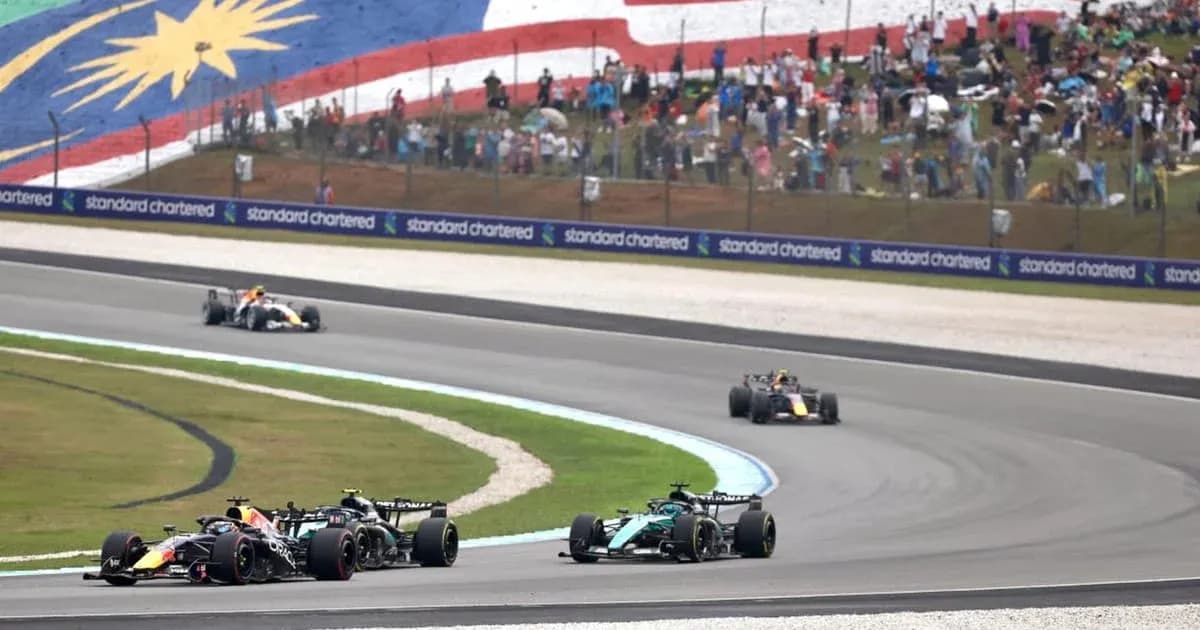
The term "yo-yo racing" emerged early this year to describe battles where drivers swapped positions repeatedly over several laps. This was linked to new power units blending combustion and electric power, which are energy limited.
These units feature two key modes: Boost, allowing extra electrical energy use on demand, and Overtake mode, which grants a driver within one second of a car ahead additional energy for overtaking.
At the season’s start, unfamiliarity with these systems caused many yo-yo battles as drivers used their energy unevenly. Recently, this has declined due to two main reasons:
- Recent tracks are less demanding on energy, reducing opportunities for yo-yo exchanges.
- Teams and drivers have learned to manage energy better, avoiding vulnerability.
Rule changes also limit energy availability at certain tracks, smoothing out fluctuations. Looking forward, the energy split will shift from 50-50 to 60-40 by 2028, likely leading to fewer overtakes but better driving feel.
Why Esteban Ocon Chooses to Stay as an F1 Reserve Driver
When it became clear that Esteban Ocon wouldn't retain a race seat with Haas next year, he insisted his F1 career wasn’t over. Staying as a reserve driver keeps him involved, ready to step in if needed, and familiar with current cars through simulators and occasional driving.
Racing in other series like IndyCar or Formula E risks fading from F1's spotlight, while a reserve role keeps him visible and connected to the top level.
Delay in Confirming Liam Lawson's 2027 Seat
Red Bull's decision on who drives for their Racing Bulls team next year involves shareholders Chalerm Yoovidhya, Mark Mateschitz, and team boss Oliver Mintzlaff. Candidates include current drivers Liam Lawson and Arvid Lindblad, plus F2 leader Nikola Tsolov.
Traditionally, Red Bull might drop Lawson after giving him a chance, promoting Tsolov immediately. But keeping Lawson and Lindblad together could provide a clearer comparison before deciding who to keep for 2028.
"We’re trying to apply a little bit of science, and that takes some time. We’re looking at everything and studying, analysing, and time is on our side. We’re not in a rush to do anything, and I’m very confident the right decision will be made." - Alan Permane, Racing Bulls Team Boss
Preserving Classic Circuits Amid Calendar Challenges
F1 faces a tough task balancing global reach, exciting racing, variety, and profitability. Classic circuits often lie in countries unable or unwilling to pay high hosting fees, unlike some autocracies that use races for promotion and can afford larger payments.
Despite this, F1 strives to keep iconic tracks like Monaco, Silverstone, Spa, and Suzuka on the calendar, even if not every year. Efforts are also made to make new tracks engaging, though success varies.
For example, Las Vegas offers spectacle and prestige despite being less challenging. New permanent tracks in Saudi Arabia (Qiddiyah) and Rwanda, designed by former driver Alex Wurz, aim to offer both driver challenge and exciting races.