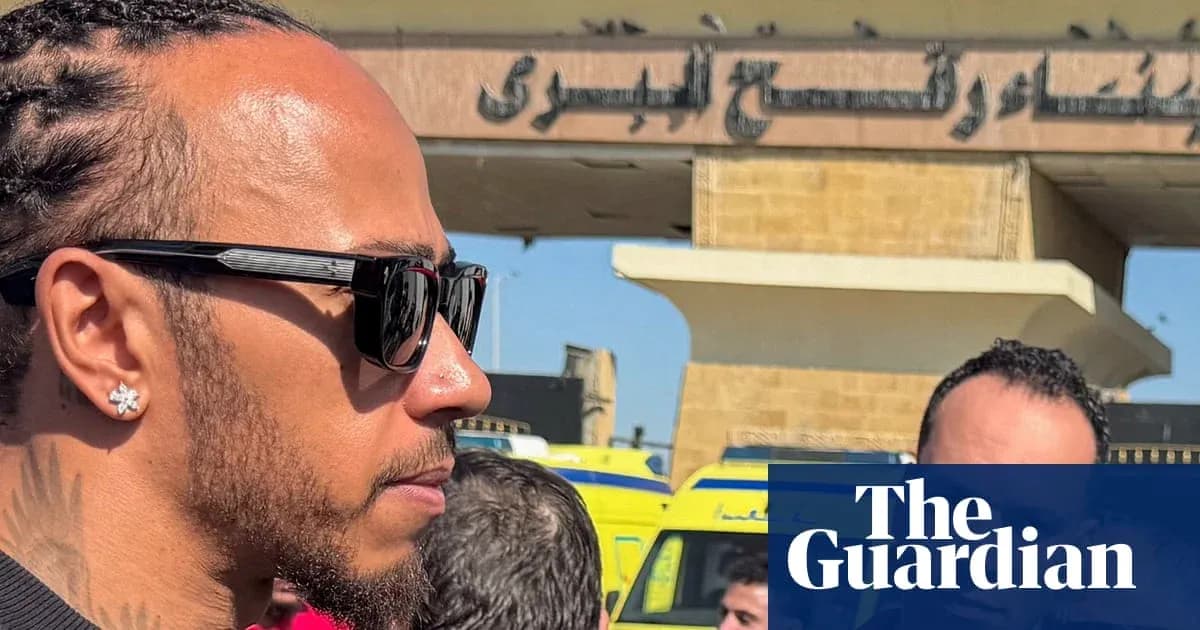
Lewis Hamilton's Humanitarian Visit to Rafah After 400th Grand Prix
Lewis Hamilton spent Sunday night in São Paulo celebrating a landmark that only one other driver in Formula One history has reached. By midweek, he was standing at Egypt’s Rafah border crossing, face to face with a very different kind of milestone.
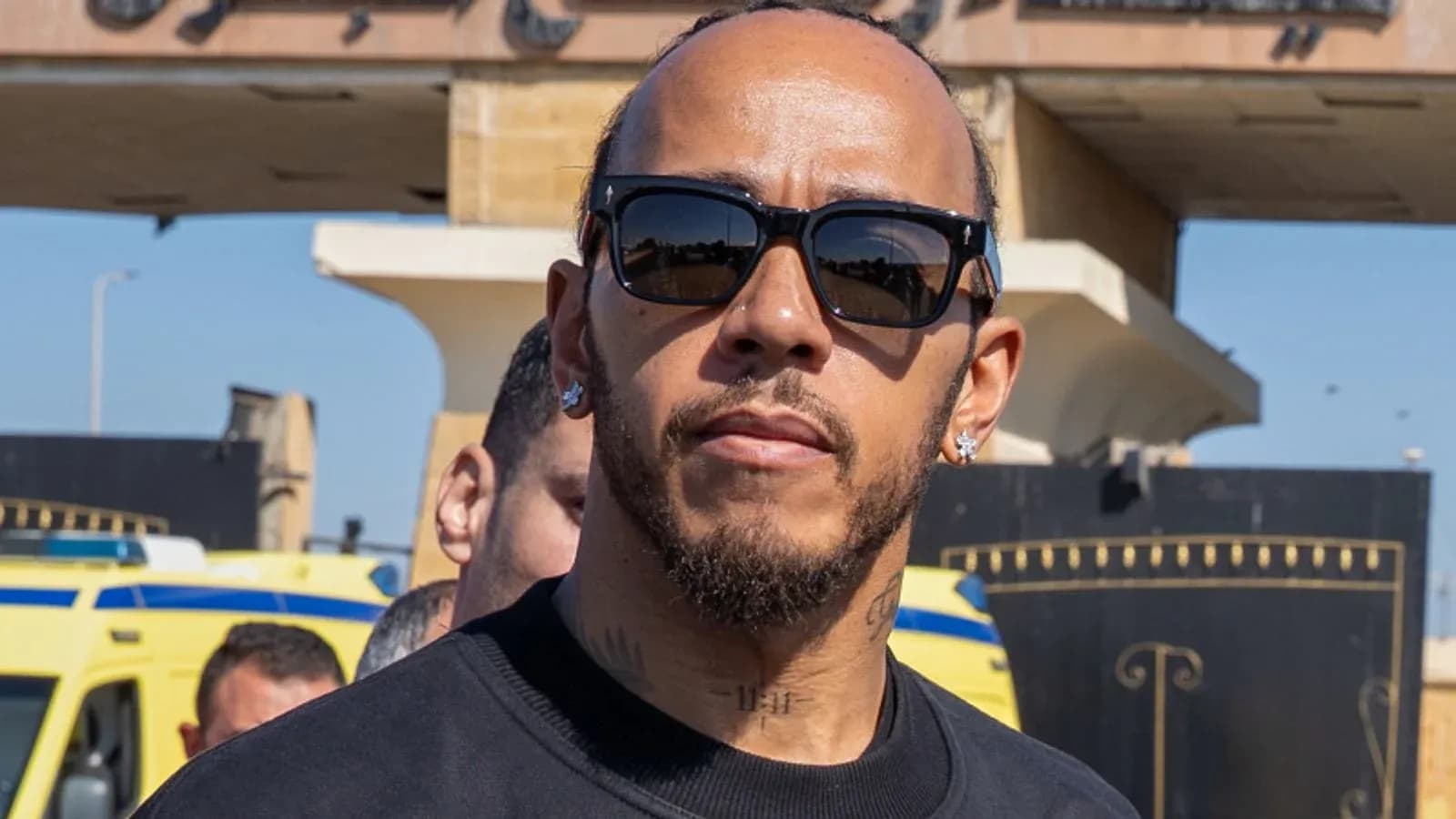
Fresh from his 400th Grand Prix start at Interlagos, the seven-time world champion travelled to the edge of the Gaza Strip to meet organisations battling to push humanitarian aid into a territory still gripped by war and scarcity.
This was not a casual photo opportunity tagged onto an off‑season holiday. Hamilton toured the Rafah crossing itself, then moved on to logistics warehouses operated by the Egyptian Red Crescent, which coordinates the entry of aid trucks into Gaza. On the ground, he shook hands with workers and officials, greeting them with “Assalamu alaikum” – “peace be upon you” – before listening to briefings on how supplies are assembled, checked and, when possible, sent across the border.
The visit dropped him into the middle of a crisis he has spoken about repeatedly. Throughout the conflict, Hamilton has used his platforms to highlight the toll on civilians, especially children killed in Israeli airstrikes, and to call for a ceasefire and broader peace in the region. In October, he framed Gaza as part of a wider pattern of ignored suffering, saying: “I think we need to make sure we’re pushing to free Congo, free Sudan, free Syria, free Palestine. I think there’s a lot of peace that I’m hoping we get to at some stage.”
On the ground in Rafah, that hope collides with hard numbers. A ceasefire agreement reached last year has slowed large‑scale combat, but it has not delivered anything close to the promised relief. The amount of aid entering Gaza still falls far short of the agreed minimum of 600 trucks a day, leaving shortages entrenched and tempers raw among agencies trying to keep people alive.
At the same time, the military map keeps shifting. Israeli forces have pushed deeper into the enclave, expanding their control from 53% of the territory to at least 60%, according to an independent UN commission of experts last month. Airstrikes continue. So does lethal fire along the advancing front, which the commission says has killed at least 196 Palestinians in that period, including 18 women, 32 boys and 11 girls.
That is the landscape Hamilton walked into: a crossing that once symbolised movement now reduced to a narrow, contested artery, with aid convoys stuck in queues and warehouses stacked with goods that may or may not get through.
Khaled Megawer, the governor of North Sinai, where Rafah is located, said Hamilton’s visit was designed to give him a direct view of Egypt’s efforts to funnel assistance into Gaza. For a driver accustomed to precision engineering and split‑second margins, the slow, grinding logistics of humanitarian work offered a stark contrast.
Hamilton’s presence in such places no longer surprises those who have followed his evolution. The first Black driver in F1 history, he broke into the sport with McLaren in 2007 and has since become one of its most decorated and influential figures, on and off the track. His 400th start in São Paulo put him alongside only one other man, his former teammate Fernando Alonso, who reached the same mark in 2024.
Yet as his career stretches into territory once thought unreachable, Hamilton has increasingly used his status to speak about issues far beyond racing: racial injustice, environmental concerns, and now, with growing intensity, conflict and humanitarian crises.
In Rafah, there were no helmets, no overalls, no chequered flags. Just a global superstar walking through a border crossing that has become a byword for bottlenecks and broken promises, trying to understand how much help can still be pushed through a narrowing gate.