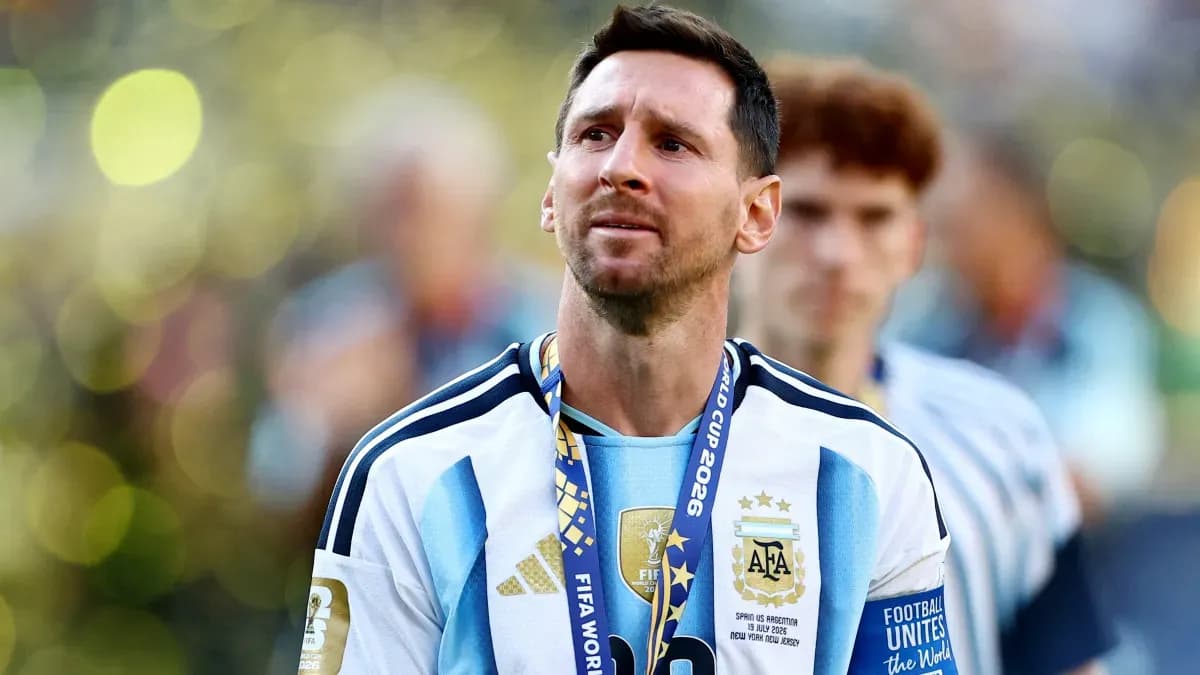
Lionel Messi Shows Pride Despite World Cup Heartbreak as Argentina's Run Ends
Lionel Messi wiped tears as he faced the Argentine supporters at MetLife Stadium’s east side, but those tears carried more pride than sorrow or frustration. It seemed like the end of an incredible journey, a moment filled with accomplishment and the bittersweet awareness that time marches on.
Had Argentina won the FIFA World Cup final against Spain, Messi’s expression might have been similar—just with a different medal hanging around his neck and more smiles along the way. Instead, they lost 1-0 in extra time to a skillfully crafted goal by substitute striker Ferran Torres.
Argentina’s Quest for Consecutive Titles
The team aimed to achieve something no men's national squad has done in 60 years: win back-to-back World Cups. Messi was chasing a rare feat too, hoping to join legends like Garrincha, Pelé, and Ronaldo—all Brazilians who claimed multiple titles. Only a handful of greats, such as Zidane, Beckenbauer, and Maradona, have won once, highlighting how tough this is to pull off.
Messi and America: A Complex Relationship
Messi’s time in the United States has mostly been positive—from his success at Inter Miami to winning the 2024 Copa América and dominating at the Copa América Centenario a decade earlier. Yet, MetLife Stadium has been a challenging venue. In June 2016, Argentina scored no goals during the Copa final here, and again no goals came in 120 minutes of the recent World Cup final.
FIFA even renamed the stadium "New York/New Jersey Stadium" for the tournament, sidestepping corporate sponsorship conflicts, but it made no difference on the pitch.
Past Struggles and Triumphs
This stadium also witnessed one of Messi's lowest moments: his brief retirement from international soccer after losing four finals in a row, including the 2014 World Cup final. At that time, Messi carried the weight of expectations set by Maradona, Argentina’s 1986 World Cup hero. His early achievements—the Olympics and FIFA U-20 World Cup—weren’t enough to quiet critics despite his Champions League titles and personal awards.
His retirement lasted only until the next international window. Since returning, he has won three major titles and scored 70 goals, ranking among the top 25 male scorers ever.
Tensions After the Final
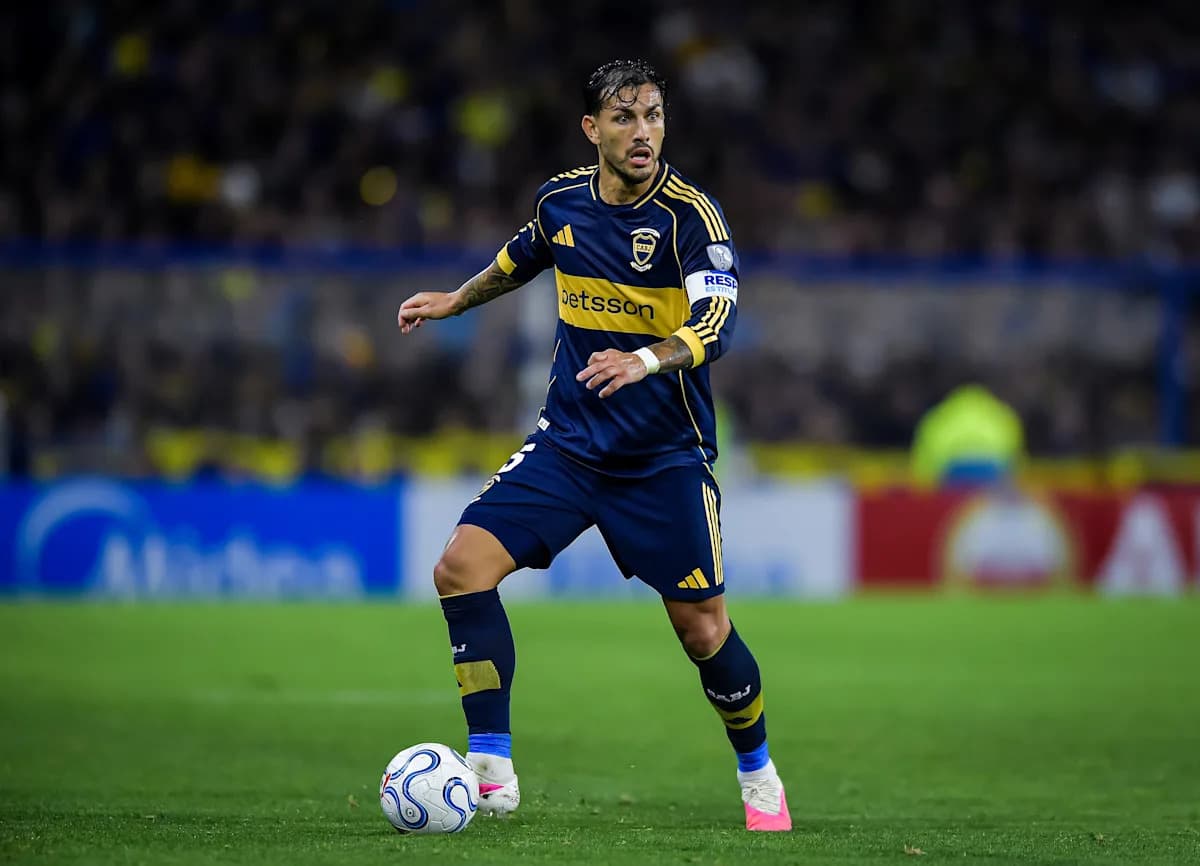
The loss brought more frustration. Midfielder Leandro Paredes received a red card after an altercation sparked by a comment from Spain’s Pedri, who taunted Argentina by saying, "Messi missed, and now you’re all going home." Defender Lisandro Martinez explained the emotions were running high after such a defeat, making it hard to stay calm.
"Football is emotional, but I don’t think there was any need for those words. When a match is over, you should respect your opponent," Martinez said.
Uncertain Future for Messi and Scaloni
Whether this was Messi’s last game for Argentina remains unclear. Coach Lionel Scaloni didn’t provide a definitive answer, noting he hadn’t spoken to Messi about it. Scaloni himself faces uncertainty as his contract expires this year, though he has led Argentina to four finals and three trophies in recent tournaments. The Argentine Football Association likely wants him to stay, but the pressure after a decade could weigh heavily.
Scaloni described the experience as a dream and expressed the need to take time before deciding what comes next. He became emotional while reflecting on the journey.
A Remarkable Legacy
If this marks the end of Messi’s international career, his record stands tall: one World Cup title, two World Cup final appearances, two Copa América wins, five Copa América finals, 207 caps, and 125 goals. Fans lingered in the stadium after the match, perhaps reluctant to let go of seeing their greatest player don the iconic blue and white jersey one last time.
Scaloni acknowledged that reaching a final and losing can still be seen as a success, though some may struggle with that idea. This Argentina team inspired belief with resilient victories over Egypt and England and a hard-fought win against Cabo Verde.
"I can see that people are aware of what we’ve achieved," Scaloni said. "This group are warriors. Every Spanish player that greeted us told us they were surprised by how competitive we were."
The Final Match and Venue Impact
Argentina did not manage a single shot on target and had just one attempt inside the box late in the game—a chance by reserve Giuliano Simeone. Their performance was below their usual standards.
Would playing at SoFi Stadium in Los Angeles, nearly 2,800 miles away, have changed anything? Argentina holds no special history there, so maybe not. But distance sometimes brings comfort.