Liverpool's Potential Financial Shift with Bezos Consortium
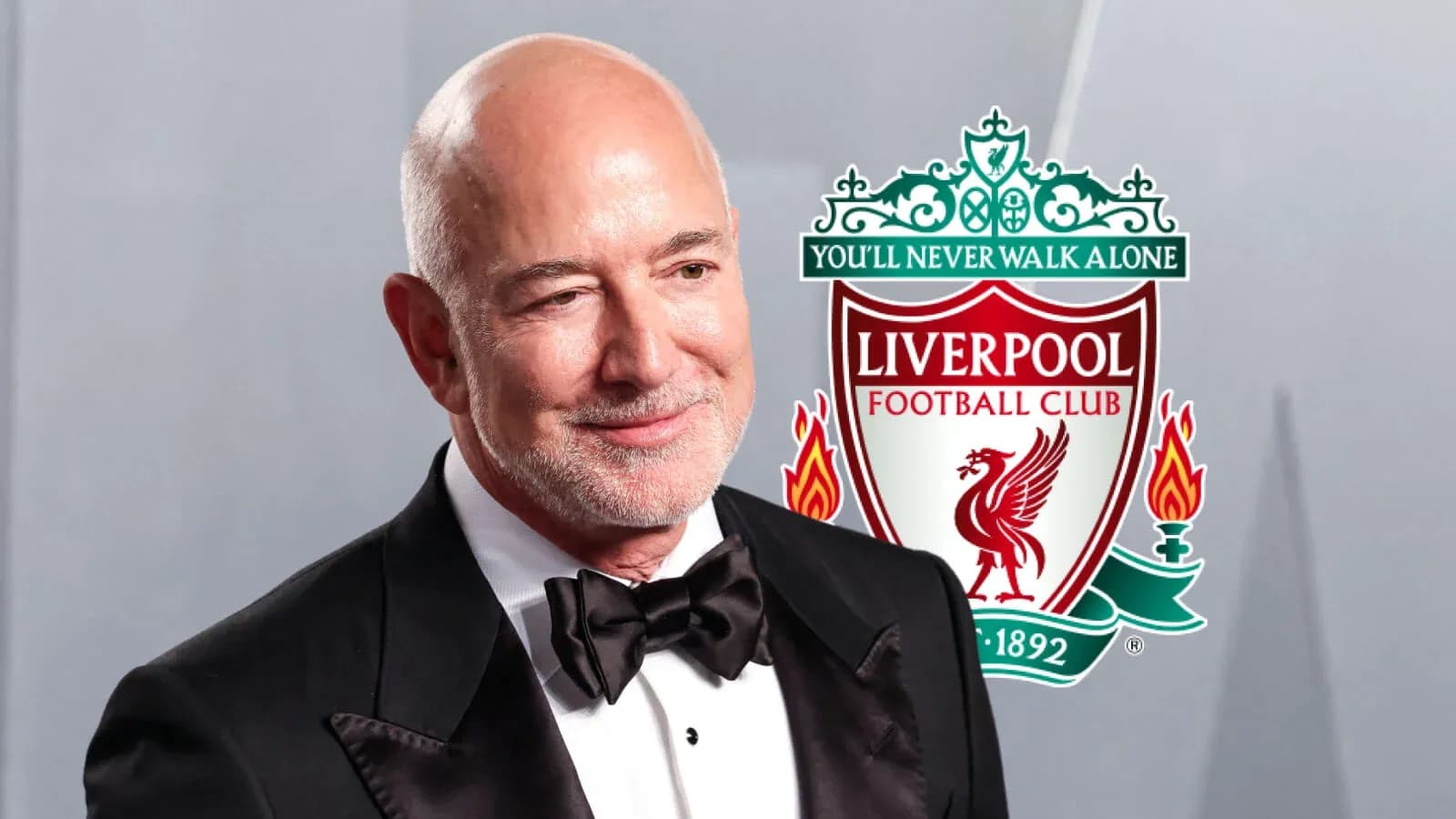
Liverpool stand on the brink of a financial jolt that could reshape their place in the European hierarchy, with a consortium involving Jeff Bezos closing in on a deal to buy roughly one-third of the club.
Fenway Sports Group are, according to Sky Sports, preparing to announce a major transaction this week. The group at the table is fronted by Amit Bhatia, the former Queens Park Rangers shareholder, and includes Eduardo Saverin, one of the co-founders of Facebook. The proposed investment would value Liverpool at around £4.4billion ($6bn) – a number that underlines just how far the club’s commercial reach now stretches.
Bezos, the Amazon founder and the third-richest man on the planet, is estimated to be worth over £207bn ($280bn). Saverin brings another £23.7bn ($32bn) to the room. Those figures do not automatically translate into transfer fees, but they do change the conversation. Instantly.
This is the backdrop to a growing belief that Liverpool could soon start shopping in the rarest part of the market. IndyKaila reported on July 22 that the prospective part-owners want to see world-class signings, with names such as Vinícius Júnior and Michael Olise floated as the type of player they would like to bring to Anfield.
Vinícius is off the table for now. The Brazilian has already turned down Arsenal and committed his future to Real Madrid with a new contract. That leaves Olise as the marquee name being linked to the potential new era on Merseyside.
The tone of the reported approach is not subtle. In a post on X, formerly Twitter, IndyKaila relayed that FSG had confirmed contact from the Bhatia-led consortium, which is “backed by billionaire family and former QPR co-owner, along with Amazon’s Jeff Bezos.” The ambition, the post claimed, is to make Liverpool “the number one club in world football,” ready to challenge Real Madrid and Bayern Munich in the transfer market and to recruit “top-tier talent like Vinícius Júnior or Michael Olise.”
For a fanbase used to watching Liverpool punch cleverly and efficiently under FSG’s self-sustaining model, talk of a “total mindset shift” is jarring, intoxicating, and, for some, overdue. The idea that the club could routinely compete for the most coveted players in the world would mark a dramatic change from the carefully calibrated spending of recent years.
The transfer market, of course, is unforgiving. Liverpool’s supposed interest in Olise would drag them straight into a fight with Real Madrid, who have already identified the French winger as their next Galáctico. Fabrizio Romano has repeatedly reported that Madrid president Florentino Pérez sees the 24-year-old as a central figure in the club’s long-term planning.
And the price is eye-watering. Bayern, who view Olise as a cornerstone of their project, are said to want at least €200m (£171m) to even consider a sale. With his contract running until June 2029, the German champions hold all the cards. Any bid would need to be enormous, and even then, Bayern’s resolve would be tested rather than broken.
This is the scale of the market Liverpool would be walking into if the Bezos-backed consortium completes its investment and pushes for a headline signing. It is not just about having money; it is about being prepared to spend it at a level that has, until now, largely been the preserve of a handful of state-backed or historically dominant super-clubs.
For the moment, the more realistic attacking reinforcement appears to be Bradley Barcola of Paris Saint-Germain. Liverpool have held talks with both the player and PSG, exploring a deal for the 21-year-old winger. Even that pursuit underlines the financial intensity of the current window: Barcola’s asking price has been set at around €150m (£128m), a figure Liverpool are working to reduce.
There is no clear run there either. Arsenal have also opened discussions over Barcola, adding another layer of competition to a chase that already requires precision and nerve. Every move at the top end of this market has consequences, every hesitation invites a rival.
Liverpool stand, then, at a fascinating crossroads. A club valued at £4.4bn, courted by some of the richest men in the world, eyeing players with nine-figure price tags and contracts stretching towards the end of the decade. If the Bezos-Bhatia-Saverin consortium does come in and the promised “mindset shift” follows, the question is no longer whether Liverpool can live with Europe’s biggest spenders.
It is whether the rest of the Premier League is ready for a Liverpool that can.