Liverpool's Potential 30% Investment Deal with Bezos and Bhatia
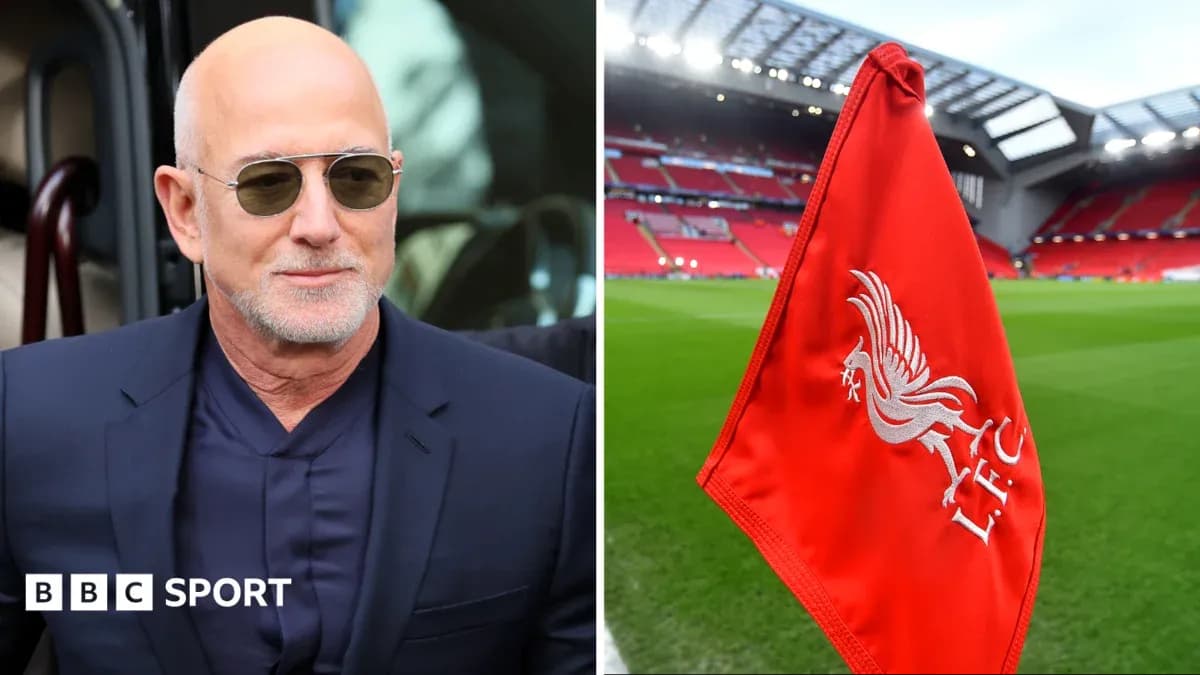
Liverpool are edging towards one of the most eye-catching investment deals in modern football, with a heavyweight consortium featuring Amazon founder Jeff Bezos advancing talks to buy around 30% of the club.
The group is fronted by British-Indian businessman Amit Bhatia and also includes Facebook co-founder Eduardo Saverin, underlining the scale of financial power now circling Anfield. BBC Sport has been told discussions have moved forward as the parties work on a strategic minority stake.
Fenway Sports Group, Liverpool’s owners since 2010, confirmed last month that Bhatia’s consortium had “expressed interest in making a strategic minority investment in Liverpool Football Club”. That phrase matters. This is not a takeover, not a sale of the club, but a potential injection of capital on a vast scale.
Bhatia brings deep football boardroom experience. The 44-year-old, son-in-law of Indian billionaire Lakshmi Mittal, spent 18 years as a director and co-owner at Queens Park Rangers before relinquishing his stake only last month. He knows the politics of English football, the pressures of running a club, and the demands of a fanbase that expects more than balance sheets.
Now he is fronting a bid with names that resonate far beyond sport.
Bezos, founder of Amazon and one of the most recognisable figures in global business, is the fourth-richest person in the world. Forbes estimates the 62-year-old’s net worth at $256bn (£192bn), a number that dwarfs even the vast sums usually associated with Premier League ownership. His presence in the consortium instantly changes the perception of what might be possible commercially, from media partnerships to global branding.
Saverin, who helped create Facebook, adds another layer of Silicon Valley-era wealth and tech-world influence to the mix. Between them, the consortium members represent a blend of old-school industry money, digital-era fortune and established football governance experience.
For FSG, long committed to a model of sustainability and data-driven decision-making, a minority sale at around 30% would offer a significant cash boost while keeping overall control in Boston. For Liverpool, it raises a sharper question: what does a club with this history and identity look like when some of the richest people on the planet buy in?
Talks are ongoing. The numbers are huge. The implications, if the deal is completed, could be even bigger.