Liverpool's Champions League Exit: Lessons from PSG Showdown
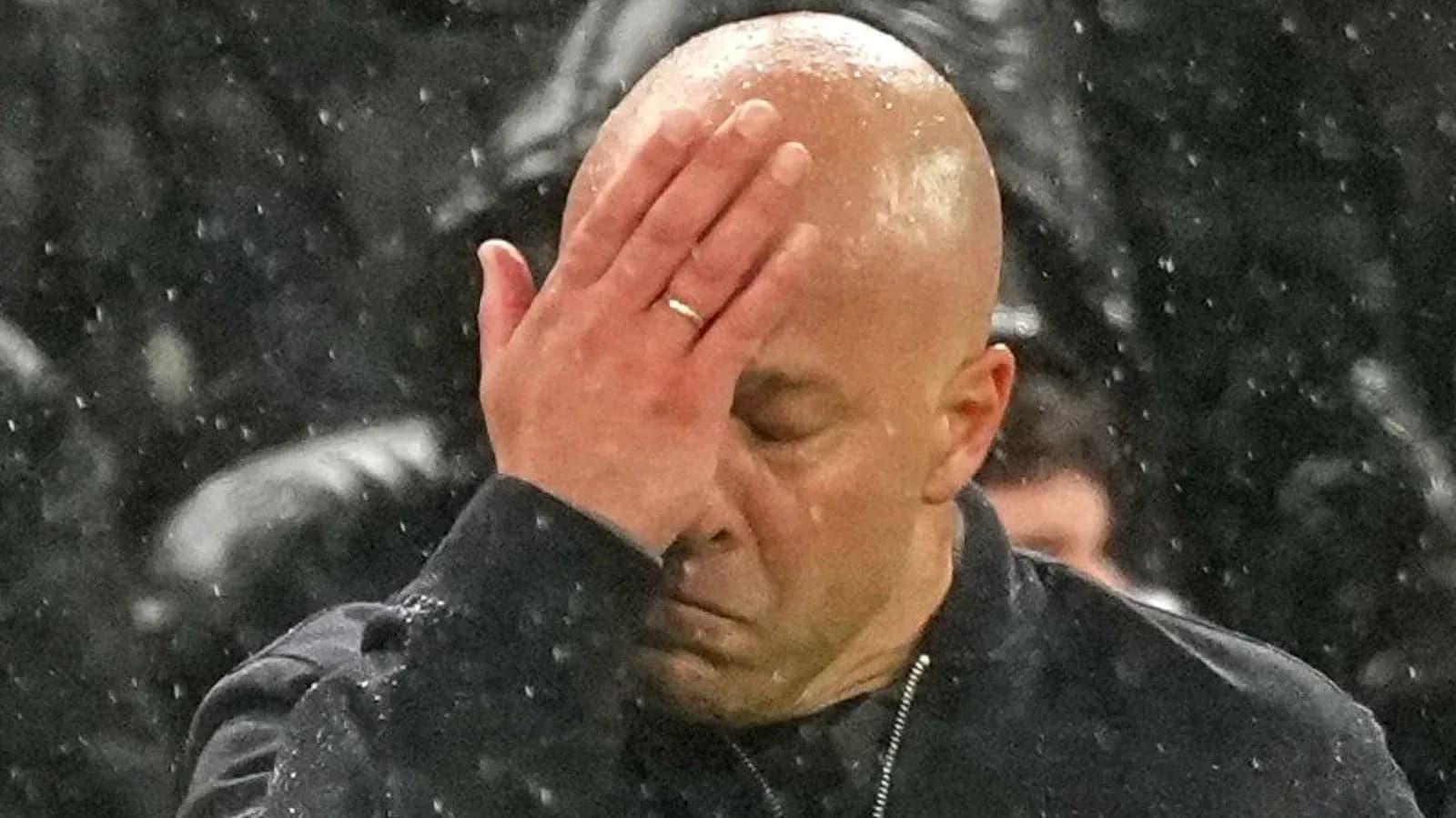
Arne Slot will have known nights like this were possible. What he could not afford was for one to arrive this early, this brutally, and with this much clarity about the gulf that still exists between Liverpool and Europe’s elite.
Over two legs against PSG, Liverpool played two different games and walked away with the same cold verdict: 2-0 down, twice outclassed, and out of the Champions League with more questions about the dugout than the dressing room.
Two plans, one outcome
In Paris, Liverpool barely laid a glove. Passive, cautious, almost deferential, they mustered three shots and somehow found three goals. At Anfield, they hurled everything at it in a frantic, harum-scarum second half and generated 21 attempts. They scored none.
The contrast in approach was stark. The outcome was identical. That is where the problem lies.
PSG, the reigning European champions, treated both versions of Liverpool with the same cool disdain. They controlled the tie in France, then rode out the Anfield storm, picked their moments and let Ousmane Dembele do the rest. When the dust settled, the aggregate story was simple: the quality divide was so wide that the tactical debate almost felt irrelevant.
Almost.
Because the first leg poisoned the second. Liverpool effectively lost this tie last week. Slot’s side played with conviction for maybe 45 of the 180 minutes, and at this stage of the competition, that is an invitation to be sent home.
Slot’s gamble backfires
Slot clung to the positives after the game, insisting Liverpool had “shown we can compete with the champions of Europe”. On the scoreboard, the evidence was brutal: even in their best spell of the tie, they were still outscored 2-0 in that second half at Anfield.
The plan, if there was a coherent one, seemed to be to drag PSG into a goalless first half and then turn up the volume. But if that was the idea, Slot’s execution was baffling.
Alexander Isak, on a pre-planned 45-minute limit, spent his entire cameo in the quiet half, touching the ball just five times before being withdrawn at the break. Liverpool then went “all-out attack” without the most expensive signing in British football history on the pitch.
Mo Salah and Rio Ngumoha, so sharp against Fulham, watched the opening from the bench. When they did appear, both looked capable of disturbing PSG’s composure. Neither had been trusted to start on a night when Liverpool needed early chaos, not late defiance.
For what was billed as another of those famous European nights, Anfield instead drifted through an hour of almost nothing. No siege, no whirlwind, just a slow, sterile wrestle. The only real magic trick was how quickly the time disappeared before Liverpool began to play with the urgency their situation demanded.
The penalty that wasn’t
The tie might have pivoted on a moment that turned surreal even by modern VAR standards.
Alexis Mac Allister tumbled under the lightest of contact from Willian Pacho. Referee Maurizio Mariani pointed to the spot. Up in the commentary gantry, Mark Clattenburg, drafted in as Amazon Prime’s refereeing oracle, laid out the logic: there was contact, it was clumsy, and once the penalty had been given, VAR would surely not overturn it.
He even underlined it: “Once the on-field decision was penalty kick, I would expect it to be given.”
Seconds later, Mariani was at the pitch-side monitor, watching the replays. Seconds after that, he reversed his call. No penalty.
Clattenburg had not misread the laws. He had read the politics of VAR, and the human element, entirely wrong. The explanation he had just delivered as fact was undermined in real time. It was a small, almost comical detail in a largely flat evening, but it summed up the sense of absurdity.
This was supposed to be Liverpool’s spark. It barely flickered.
Dembele ends the argument
Ngumoha did his best to drag the game into life. The youngster was fearless, direct, and forced a fine save from the excellent Matvey Safonov. Salah, on what will almost certainly be his final Champions League appearance for Liverpool, created a glorious chance for Milos Kerkez at the back post, only for the full-back to waste it.
Those moments came either side of the two actions that truly mattered.
Dembele, so often a mercurial presence, chose this tie to be ruthless. His first goal punctured Liverpool’s fragile belief. His second sealed not just the match, but potentially the short-term perception of Slot’s reign. PSG had toyed with Liverpool for long stretches; when they finally decided to finish the job, they did so with a couple of sharp, almost casual thrusts.
By the end, the pattern was unmistakable. Liverpool had thrown themselves into the contest. They had run, pressed, chased and chased again. They had not come close to the standard required.
A harsh early verdict
Strip away the emotion and the narrative is unforgiving. Slot’s game plan in Paris invited trouble and got it. His selection and timing at Anfield made little sense in the context of a must-win, must-score occasion. The late surge, while admirable, felt like an admission that Liverpool had spent too long shadowboxing.
His post-match insistence that Liverpool had shown they could “compete” rang hollow against the cold reality of two 2-0 defeats. Competing for 45 minutes out of 180 is not competing in the Champions League. It is surviving.
By the final whistle, the roles of Liverpool manager and television refereeing pundit felt uncomfortably aligned: both appeared strangely interchangeable, both seemed powerless to alter the outcome, and on this evidence, as Pierre van Hooijdonk once joked about managers in general, a cat might indeed have done either job just as well.
For Slot and Liverpool, the question now is not whether they can trade blows with the champions of Europe in flashes. It is whether they can build a team – and a plan – that can do it when it truly counts.