Manchester City's £116m Signing of Elliot Anderson and Its Market Impact
Manchester City’s £116m move for Elliot Anderson is about more than one blockbuster signing. It’s the transfer that could drag the entire midfield market upwards.
The Premier League’s biggest clubs have been braced for this kind of deal since March. Central midfield was always going to be the battleground this summer. Now the benchmark has been set – and it is eye-watering.
City are paying £116m to take Anderson from Nottingham Forest, a fee that will echo through every negotiation involving a top midfielder in the coming weeks. Agents, sporting directors, chairmen – all of them are recalibrating their numbers.
And the queue for midfielders is long.
Arsenal, Chelsea, Liverpool, Manchester United and Tottenham still want at least one central midfielder each. City themselves may yet go again in that area even after Anderson’s arrival. Across Europe, Real Madrid, Atletico Madrid and Inter Milan are circling the same pool of talent.
The dominoes are lined up. Anderson has just knocked over the first one.
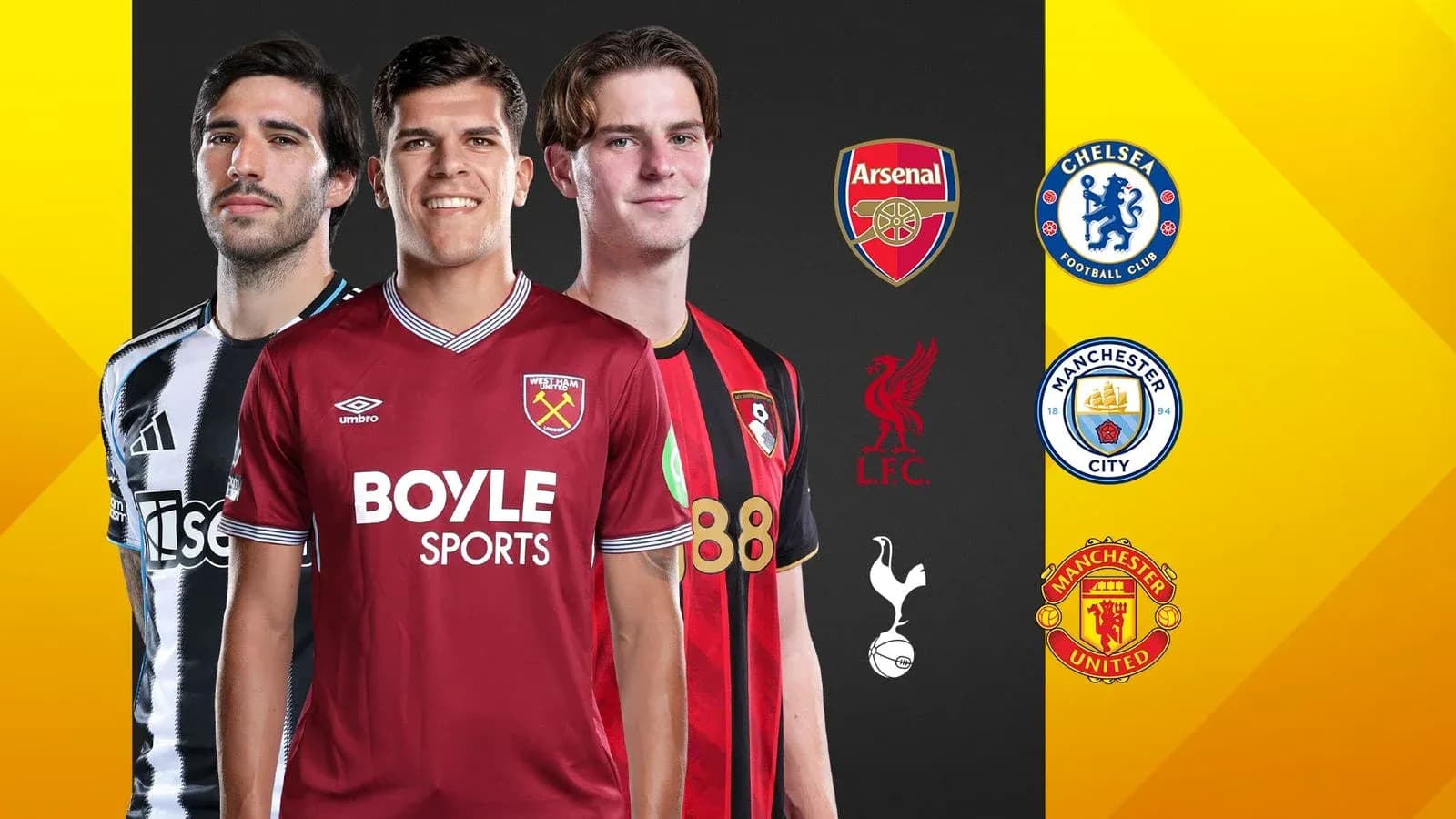
Tonali, Spurs and a £36m question
No saga captures the new reality better than Sandro Tonali’s.
Tottenham went in hard last week, lodging an offer of almost £80m with Newcastle. It was rejected out of hand. Newcastle, who sold Anderson to Forest for £35m just two years ago, can now point to that £116m City fee and the three years left on Tonali’s contract and ask a simple question: why should they sell at a discount?
There is believed to be no issue on the player’s side. Tonali is understood to be ready to sign for Spurs if the clubs can agree a fee, with a contract worth more than £275,000 a week waiting for his signature. The lure of working under Roberto De Zerbi is strong.
But Spurs are not alone.
City have been weighing up whether to rival Tottenham for Tonali, even as they closed in on Anderson. Arsenal and United have also had him on their lists. Now that the Anderson deal is effectively done, City must decide if they push again in the same market or wait to see what falls from the tree as others scramble.
The pressure is building on Newcastle. Lose Tonali after Anderson’s valuation has exploded the market, and they will expect every last pound.
Arsenal turn to Guimaraes
Arsenal’s long-standing admiration for Tonali has not yet turned into a concrete move this summer. Instead, their gaze has shifted a few yards along the Newcastle midfield to Bruno Guimaraes.
Initial contact has gone in through intermediaries. An informal proposal has already been knocked back. Newcastle, crucially, have not received any direct approach from Arsenal and have no desire to sell their captain, who has two years left on his deal.
Guimaraes turns 29 in November. On the pitch, many consider him one of the finest midfielders in the Premier League. Off it, that age profile complicates things. Clubs weighing up nine-figure outlays now must consider resale value as much as immediate impact. Anderson at 116m sets a ceiling; Guimaraes’ age might cap how close others are willing to climb to it.
Arsenal know they need a midfielder of that calibre. The question is whether they can find value in a market that has just been dragged into a new financial stratosphere.
Fernandes in the crossfire between Spurs and United
While Spurs wrestle with Newcastle over Tonali, they are also driving hard for Mateus Fernandes at West Ham.
Despite West Ham’s relegation, Tottenham are understood to be prepared to go as high as £85m to get him. That is a huge number for a player dropping out of the Premier League, but again, Anderson’s fee has changed the conversation. West Ham can quite reasonably look at £116m and hold their ground.
Manchester United are hovering.
United had previously valued Fernandes at around £60m. Now, as they watch Spurs edge closer and the rest of the market inflate, they may be ready to move that figure up. They have already agreed a deal worth up to £39m with Atalanta for Ederson, which will be finalised after Brazil’s World Cup campaign, yet their midfield rebuild is not stopping there.
At least one more midfielder is wanted at Old Trafford, and a third could arrive if Manuel Ugarte is sold. Fernandes sits right in the middle of that strategy. Spurs know it. West Ham know it. The bidding war feels one phone call away.
Scott: the “not for sale” tag with a price
Not every midfield target comes with a nine-figure headline. Alex Scott at Bournemouth is a different kind of chase – but no less tense.
Arsenal and Manchester United are considered the frontrunners for the 20-year-old, who just missed out on England’s World Cup squad and impressed heavily last season. Bournemouth insist Scott is not for sale. That stance usually means one thing: it will take a big fee to change their mind.
Talks over a new deal have already taken place. Bournemouth want Scott to stay and to be rewarded under new boss Marco Rose. They see him as a cornerstone, not a trading chip.
Yet in a market where Anderson goes for £116m and clubs across the division are desperate for younger, homegrown midfielders, “not for sale” can quickly turn into “make us an offer we can’t refuse.”
Forest reload as the market erupts
Anderson’s move doesn’t just reshape the top of the market. It immediately forces Nottingham Forest back into it.
Forest are expected to target up to two new midfielders with the money coming in, and they have already drawn up a list. Lucas Bergvall, unsettled at Spurs and keen on a new challenge, is on their radar. So are David Frattesi, Arne Engels and Hayden Hackney.
Their interest is a snapshot of the wider scramble.
Everton have already seen an approach for Hackney rejected by Middlesbrough. Leeds have had a bid turned down by Southampton for Shea Charles, though talks between the clubs are ongoing. Every promising midfielder in England suddenly finds themselves with multiple admirers and rising valuations.
And this is before Chelsea and Liverpool properly throw their weight around. Both want central midfield reinforcements. Brentford, Brighton, Crystal Palace, Everton, Leeds, Sunderland and the three promoted clubs are also in the hunt. Newcastle may yet join them if Tonali departs.
The fight for midfield control is not just a top-six story. It runs all the way down the table.
Madrid, Atletico and the European ripple
The Premier League’s spending power will not operate in a vacuum.
Real Madrid are pushing to sign Enzo Fernandez from Chelsea, who value the midfielder at more than £100m. If Madrid get their man, the consequences could be huge. Aurelien Tchouameni, on the lists at Manchester United and others, might suddenly become attainable. Eduardo Camavinga’s situation would also be watched closely.
Atletico Madrid have already agreed terms of a deal with Wolves for Joao Gomes but have yet to pull the trigger. They are also interested in Tijjani Reijnders at City, a move that would influence how City shape their midfield around Anderson and any further arrivals. Mateo Kovacic’s future at the Etihad is uncertain, while Nico Gonzalez is another name attracting attention.
Inter Milan and other European heavyweights are lurking, ready to exploit any cracks as English clubs stretch their budgets.
A market stacked with options – and tension
Beyond the headline names, there is a second tier of midfielders who could yet define this window.
In the Premier League, Carlos Baleba, Adam Wharton and Matt O’Riley are all in play. From Ligue 1, Lamine Kamara, Mamadou Sangare and Ayyoub Bouaddi are being tracked. In Italy, Mandela Keita, Manu Kone and Frattesi sit on shortlists across the continent.
Each of them will now be measured, at least in part, against the Anderson fee. Not because they are the same profile or the same level, but because that is how modern markets work. One giant deal drags the rest along with it.
City’s move for Anderson was always going to be big. Nobody expected it to be quiet. But at £116m, it does more than give Pep Guardiola another elite midfielder.
It sets the going rate for ambition. And with so many clubs still searching for control in the middle of the pitch, the real question is who blinks first – and who is still standing when the prices finally stop climbing.