Manchester United's Early Struggles: Fernandes and Defensive Woes
Manchester United’s season has barely started and already feels like it’s unravelling.
One win from five Premier League games. Defeats to Hull City and a Manchester City side reduced to ten men. Points tossed away against Everton and Fulham. The only bright spot? A wild 5-2 dismantling of newly-promoted Ipswich Town that now looks more like an outlier than a launchpad.
Even the cups have turned ugly. In the Carabao Cup at Old Trafford, United raced into a 2-0 lead against Brighton, only to fold in spectacular fashion and lose 3-2. A cruise became a collapse. The mood around Michael Carrick’s side followed the same pattern.
Fernandes under the microscope
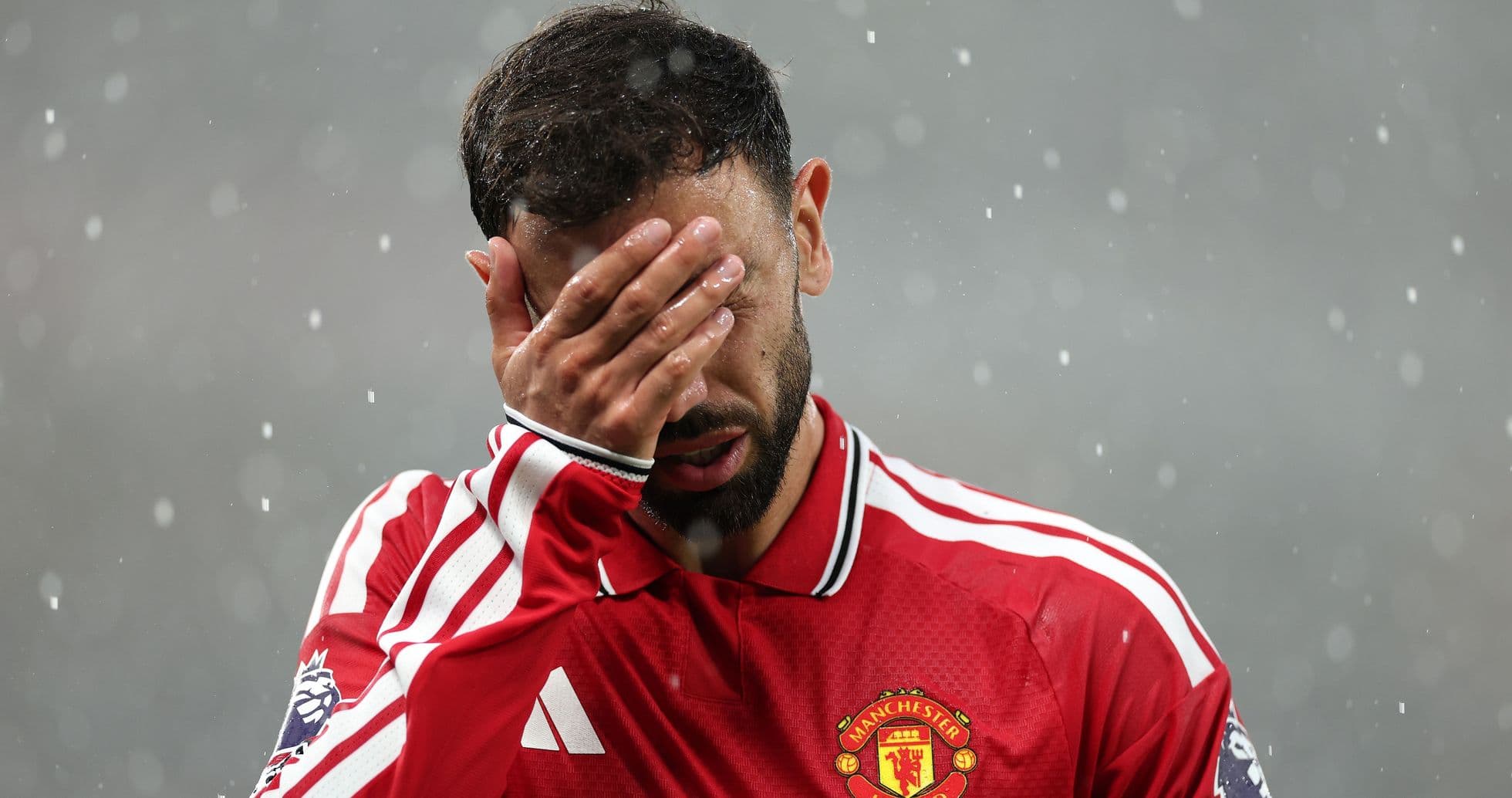
When United struggle, the spotlight always swings towards their biggest names. This time, it’s burning down on Bruno Fernandes.
On paper, his numbers don’t look disastrous: three goals and an assist in the league. But there’s a catch. Every single one of those contributions came in that Ipswich rout. Outside that game, the captain has been quiet. Too quiet for a player who has carried United’s creative burden for years.
Former United defender Phil Bardsley, a long-time admirer of Fernandes, didn’t hide his concern.
“Bruno Fernandes looks a bit flat to me this year,” he told Lyllo Casino. He stressed he remains “his biggest advocate” and “biggest fan,” praising the relentless work Fernandes does beyond the goals. Yet the change in body language, the drop in spark, has set off alarm bells.
“He just looks a little bit flat in himself this year, and that’s a bit of a concern, as well, because we know how important he’s been for the last four or five seasons, and without him we’d probably be in a completely different position.”
For a team already short on confidence, a subdued Fernandes is the last thing they need.
Defensive edge has vanished
Bardsley’s criticism didn’t stop at the captain. His real alarm lies at the other end of the pitch.
The former Old Trafford academy product was stunned by the opening-day defeat to Hull, not just by the result but by the manner of it. He described the lack of energy and fitness as “alarming,” a word that keeps circling around United’s early-season performances.
Last season under Carrick, United looked organised, harder to break down. That structure has gone missing. Now, Bardsley says, the backline is “at twos and threes” – disconnected, disjointed, and far too easy to play through.
He accepts this is not “the best back four in the world” on paper, but his frustration is rooted in something more basic: attitude.
“But ultimately, defensively, across the board, you can look at the back four and say it’s not the best back four in the world, but as a collective we’ve got to be more aggressive,” he said. “We've got to be more demanding of each other, and that’s the thing that alarms me, there’s not enough demand. Goals go in and we just turn round and do the kickoff again.”
That image cuts to the heart of United’s malaise. Concede, reset, shrug. No confrontation. No accountability. No one grabbing a teammate and spelling out standards.
“There’s got to be some sort of demand put on each other and holding players accountable when they make mistakes, when they’re not at the races, or when they’re not stopping crosses or shots. There’s a lack of leadership there.”
For all the talk of tactics and systems, Bardsley’s verdict is brutally simple: United don’t talk enough, don’t demand enough, don’t hurt enough when they concede.
Carrick now faces a brutal question as the season gathers pace: who in this dressing room is willing to change that?