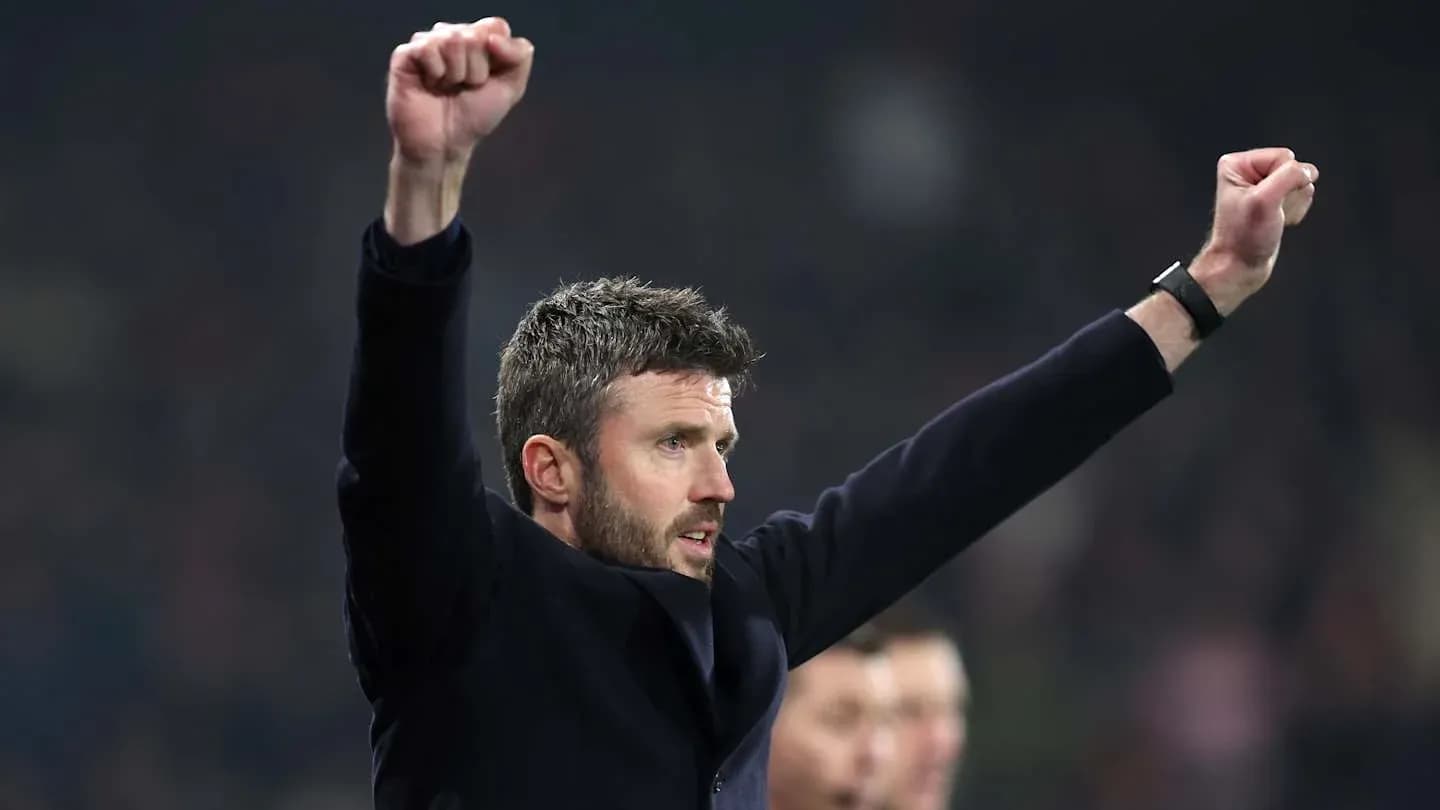
Manchester United's Intensive Midseason Camp: A Reset for Key Players
Manchester United have slipped out of the spotlight for a week or two, but Michael Carrick has no intention of letting their season drift.
While the Premier League pauses, United have packed a 25-man squad off to Ireland for what the club are calling an “intensive” midseason camp. The word matters. This is not a warm-weather jolly or a branding exercise. It is a reset, a tune‑up and, crucially, a rehabilitation mission for some of Carrick’s most important players.
Martínez and Dorgu back in the thick of it
The headline news sits at the heart of United’s defence and out on the left flank.
Lisandro Martínez, the emotional and tactical anchor of this side when fit, is on the plane. So is Patrick Dorgu, the Denmark international whose breakout under Carrick was abruptly halted by injury just as he began to shape United’s attack from the wing.
For Carrick, it is a double boost at precisely the point in the season when managers usually brace for fatigue, not welcome reinforcements.
Martínez has endured a brutal spell. An ACL tear wiped out most of his 2025 calendar year, and just when he looked ready to reassert himself, a calf problem in the 2–2 draw with West Ham United on February 10 stopped him again. Dorgu’s lay-off has been even longer in league terms: eight Premier League matches missed after he limped out of January’s win over Arsenal with a hamstring injury.
Now both are back on grass and, more importantly, back in the group. For Dorgu, this camp is the bridge between rehab and real competition. United expect it to push him through the final stages of recovery and back towards the level that briefly lit up Carrick’s early weeks.
Before his injury, Dorgu looked tailor‑made for this new United. Shifted into a more advanced wide forward role, he attacked space with conviction and scored in both statement victories over Manchester City and Arsenal. Those goals felt like markers of a new era; his hamstring strain in the latter win felt like a punch to the gut. United had no natural replacement on that flank, and the balance of the front line suffered.
If he emerges from Ireland unscathed, that imbalance suddenly looks fixable.
Dalot out, illness bites, and De Ligt still sidelined
Not everyone made the trip.
Diogo Dalot, a near ever‑present this season, stays behind through illness. The Portugal international has featured in every United game since a minor setback in September, starting most of them. His absence strips Carrick of his first-choice right-back for the week, but the club will be far more concerned if the illness lingers beyond the camp.
Tom Heaton, the veteran third-choice goalkeeper, also remains in Manchester with the same issue.
At the other end of the spectrum, Matthijs de Ligt is missing for more worrying reasons. The Dutch defender has been out with a back injury since the start of December and, according to BBC Sport, has yet to resume “meaningful” training. That phrasing tells its own story. His return is not imminent, and United will have to navigate the run‑in without the extra depth and experience he was supposed to bring to central defence.
Youth choices shaped by Europe – just not for the first team
The squad list for Ireland also reveals a subtle juggling act with United’s academy.
The club’s U21s are deep into the Premier League International Cup and face Real Madrid Castilla in a quarterfinal on Tuesday. That commitment explains why several of the more familiar youth names are absent from Carrick’s group. Jack Fletcher, Tyler Fletcher, Tyler Fredricson, Chido Obi and Shea Lacey stay with the U21s rather than joining the seniors.
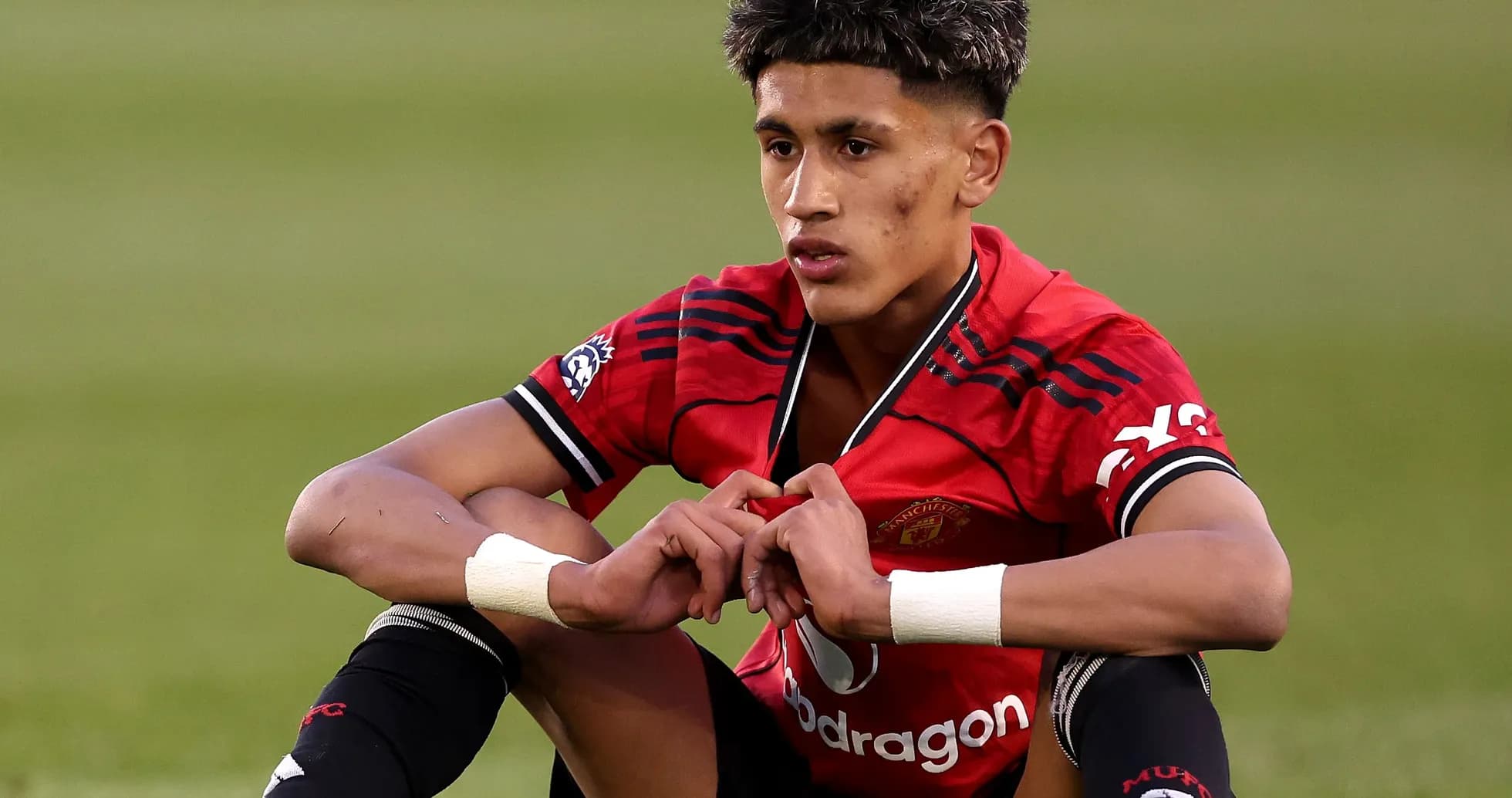
In their place, a different crop of youngsters gets a rare window with the first team. Goalkeepers Dermot Mee and Fred Heath travel alongside Altay Bayındır and Senne Lammens. Defenders Ayden Heaven and Yuel Helafu are included with senior options like Harry Maguire, Luke Shaw, Tyrell Malacia, Noussair Mazraoui, Leny Yoro and the returning Martínez and Dorgu.
In midfield, Mason Mount, Bruno Fernandes, Casemiro, Manuel Ugarte and Kobbie Mainoo are joined by academy midfielder Jim Thwaites. Up front, Matheus Cunha, Joshua Zirkzee, Amad Diallo, Bryan Mbeumo, Benjamin Šeško and Victor Musa make up a varied attacking unit.
For the youngsters, this is more than a reward trip. An “intensive” camp means real minutes in tactical drills, real contact, and a real chance to show they can handle the physical and mental demands Carrick is placing on his senior players.
Why April belongs to Carrick’s training ground
The obvious question hangs over the whole exercise: why is a club of United’s stature free enough in April to fly off for a training camp?
Because they can. And because this season, unlike almost every other in their modern history, allows it.
United’s calendar is shockingly light. No European football. Early exits from both the Carabao Cup and the FA Cup. The result is a 40-game campaign, the fewest fixtures the club has faced since 1914–15. For a squad built to juggle three or four fronts, that is a structural change.
Their last outing, a 2–2 draw with Bournemouth in the Premier League, came on Friday, March 20. An international break followed. The league then paused again for the FA Cup quarterfinals, leaving United without a domestic fixture this past weekend.
They do not play again until Monday, April 13, when Leeds United visit Old Trafford.
Such gaps can be a blessing. Tired legs recover, knocks clear, game plans are sharpened. But they can also dull an edge. Match rhythm fades. Intensity drops. Players lose that half-second of instinct that separates sharp sides from sluggish ones.
That is why the club stress the word “intensive.” Carrick wants this week to feel like playing. High-tempo sessions, tactical repetitions, and competitive internal games designed to mimic the physical and mental strain of real competition. The staff are trying to bottle the urgency of a run‑in without the usual conveyor belt of fixtures.
Champions League in sight, standards to maintain
United head into the final stretch of the Premier League season in a position of strength. Third in the table, they are well placed to secure a return to the Champions League. That status brings its own pressure. Drop off now, and the season swings from controlled progress to nagging disappointment.
This camp, then, is about more than fitness. It is about standards.
Martínez’s aggression, Dorgu’s direct running, Mainoo’s composure, Fernandes’ relentlessness — these are the traits that must carry through a stop‑start spring. With no cups to juggle and no European nights to navigate, the league becomes the only measure.
Carrick has his players, his time, and a rare clear runway. The question now is simple: can United turn this unusual freedom into a ruthless finish?