Manchester United vs Nottingham Forest: Premier League Clash on 17 May 2026
Old Trafford stages a high‑stakes meeting on 17 May 2026 as Manchester United host Nottingham Forest in the Premier League’s penultimate round. With United sitting 3rd on 65 points and Forest 16th on 43, the incentives are clear: the hosts are closing out a Champions League‑qualifying campaign, while the visitors are trying to lock in safety and push towards mid‑table respectability.
Context: contrasting seasons, converging form
In the league, Manchester United have pieced together a strong 2025 campaign. Third place after 36 games, with 18 wins, 11 draws and only 7 defeats, underlines their consistency. A goal difference of +15 (63 scored, 48 conceded) shows a side that can hurt opponents but is not watertight.
Their recent league form line of “DWWWL” suggests a generally positive run, with only one defeat in the last five and three wins in that stretch. At Old Trafford they have been particularly reliable: 12 wins, 3 draws and just 3 losses from 18 home matches, scoring 36 and conceding 22. Averaging 2.0 goals for and 1.2 against at home, United’s season-long profile at Old Trafford is that of a front‑foot, high‑output team.
Nottingham Forest arrive in Manchester with different priorities but quietly impressive recent momentum. They are 16th with 43 points, a goal difference of -2 (45 for, 47 against), and a record of 11 wins, 10 draws and 15 defeats. Their current form – “DWWWD” – is one of the best runs they have put together all season, with three wins and two draws in their last five league outings.
Interestingly, Forest have been more productive away than at home. On their travels they have 7 wins, 3 draws and 8 defeats (26 scored, 25 conceded), compared to only 4 wins at the City Ground. Their away goals for and against averages (1.4 scored, 1.4 conceded) mirror United’s away numbers and hint at a side that is more comfortable counter‑punching on the road.
Tactical tendencies and key figures
Across all phases this season, Manchester United’s attacking numbers are strong: 63 league goals in 36 matches (1.8 per game) and only four games in which they have failed to score. Their “biggest wins” metrics – 4-2 at home and 1-4 away – indicate an ability to stretch games into high‑scoring contests. They have also kept 7 clean sheets, but the 48 goals conceded and only 4 home shutouts suggest that they often leave space for opponents.
Tactically, United have split their season between two systems: 3-4-2-1 and 4-2-3-1, each used 18 times. That flexibility shapes how they can approach Forest:
- In 3-4-2-1, the back three must compensate for the absence of M. de Ligt, who is ruled out with a back injury. That potentially affects United’s aerial dominance and build‑up from deep.
- In 4-2-3-1, the double pivot – likely anchored by Casemiro – becomes central to controlling transitions and protecting a back four that has conceded 1.3 goals per game.
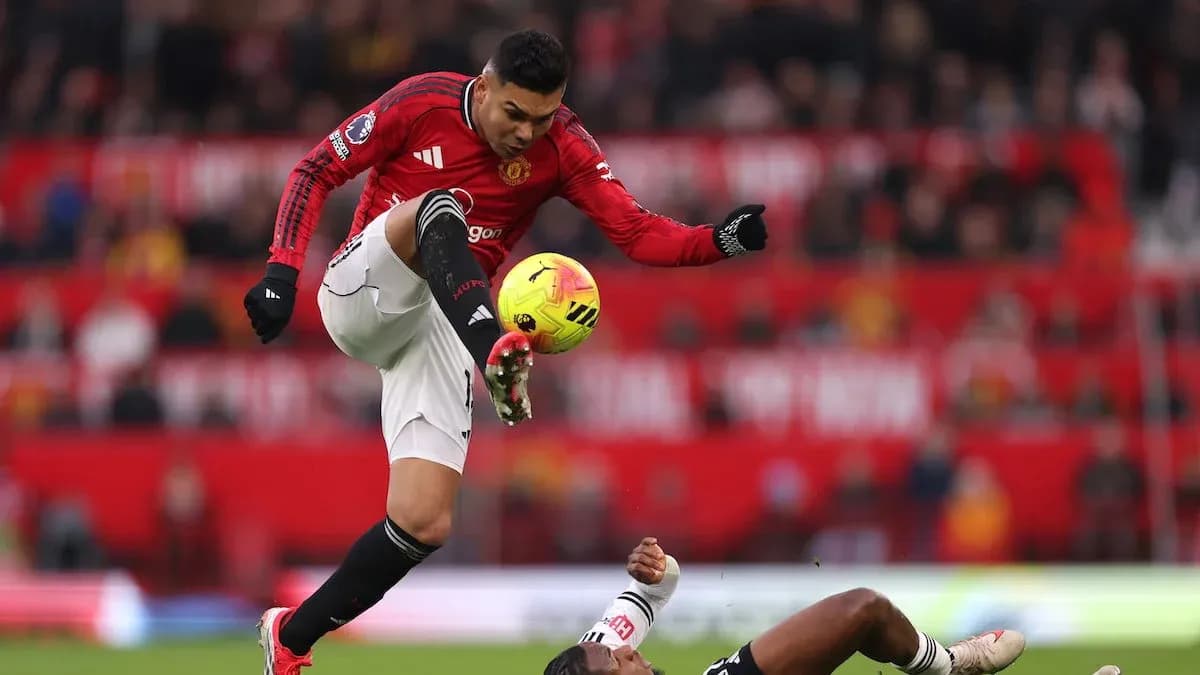
Casemiro has been a standout two‑way presence. Across all phases he has 9 league goals and 2 assists from midfield, with 88 tackles, 27 blocks and 30 interceptions. His 7.19 rating underlines his importance as both destroyer and late‑arriving goal threat. His disciplinary record (9 yellow cards and 1 yellow‑red) also hints at a combative edge that United must manage carefully in what could be a tense contest.
In attack, B. Šeško offers penalty‑box presence and direct running. With 11 goals in 30 league appearances (17 starts), he has been an efficient finisher, hitting 34 shots on target from 51 attempts. However, he is listed as questionable with a leg injury, which could force United to adjust their attacking structure. If he does not start, the responsibility for stretching Forest’s back line may fall more heavily on wide forwards and late runs from midfield.
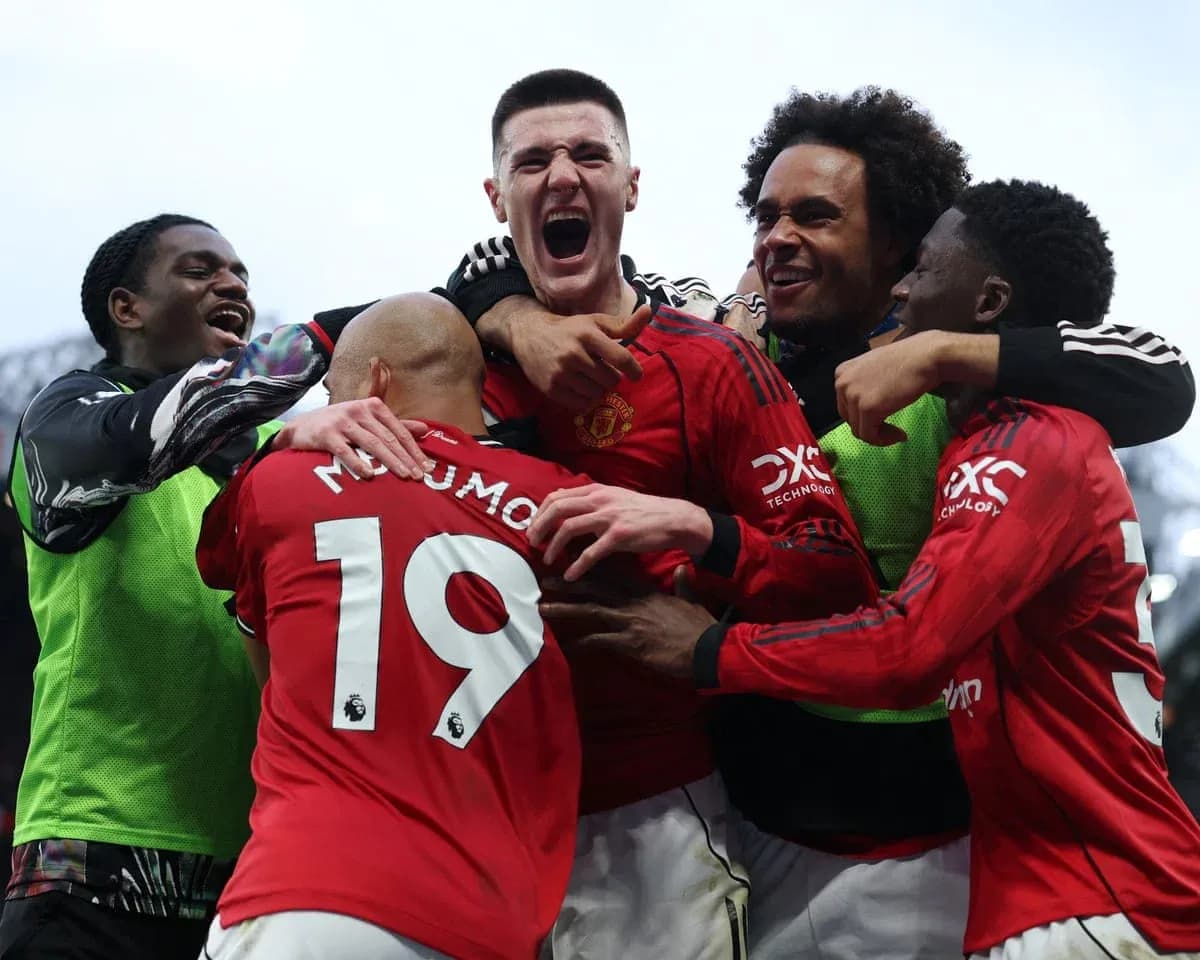
B. Mbeumo adds another dimension from the flanks or as a second striker. He has 9 goals and 3 assists, with 54 shots (30 on target) and 46 key passes, making him a dual threat as both scorer and creator. His dribbling volume and ability to draw fouls (28 drawn) can help United tilt the pitch, especially against a Forest side that tends to pick up a high concentration of yellow cards between minutes 46-75 and 61-75.
Forest’s tactical identity has been more fluid. They have predominantly used a 4-2-3-1 (29 times), but have also experimented with 5-3-2, 4-4-2, 3-4-3, 4-5-1 and even 3-4-2-1. That suggests a willingness to adapt to the opponent and game state. Away from home, their 7 wins and 5 clean sheets show they can be compact and ruthless on the break.
The creative heartbeat is M. Gibbs-White, Forest’s top scorer and chief playmaker. He has 13 league goals and 4 assists, supported by 46 key passes and 52 dribble attempts (25 successful). His role as a roaming attacking midfielder in the “10” space is critical to linking midfield and attack. However, he is listed as questionable with a head injury. If he is not fit, Forest lose their most reliable final‑third decision‑maker and penalty taker (1 scored, 0 missed), which would significantly blunt their attacking threat.
Forest’s attacking output – 45 goals in 36 matches – is modest but steady, and they have failed to score 14 times. Their defensive record (47 conceded, 1.3 per game) is similar to United’s, but they have been able to shut games down on occasion, with 9 clean sheets overall.
Injuries could force further reshuffles. For Forest, W. Boly, C. Hudson-Odoi, John Victor and N. Savona are all out, while Z. Abbott, O. Aina, Murillo and I. Sangare are also questionable. That cluster of defensive and wide options being unavailable or doubtful may push Forest towards a more conservative, deeper block at Old Trafford, with a premium on compactness over pressing.
Head-to-head: Forest’s recent edge
The last five competitive meetings between these clubs (Premier League and FA Cup) show a surprisingly even – and recently Forest‑tilted – picture:
- 1 November 2025, City Ground (Premier League): Nottingham Forest 2-2 Manchester United – draw.
- 1 April 2025, The City Ground (Premier League): Nottingham Forest 1-0 Manchester United – Forest win.
- 7 December 2024, Old Trafford (Premier League): Manchester United 2-3 Nottingham Forest – Forest win.
- 28 February 2024, The City Ground (FA Cup 5th Round): Nottingham Forest 0-1 Manchester United – United win.
- 30 December 2023, The City Ground (Premier League): Nottingham Forest 2-1 Manchester United – Forest win.
Over these five, Forest have 3 wins, Manchester United have 1, and there has been 1 draw. Notably, Forest have twice come to Old Trafford in this sequence and taken all three points (3-2 in December 2024) or, at minimum, shown they can compete strongly away.
Game pattern and key battles
Given the standings and profiles, United are likely to dominate possession, especially if they set up in 4-2-3-1. They average 2.0 goals per home game and have only failed to score twice at Old Trafford this league season, so sustained attacking pressure is expected.
Forest’s away record suggests they will be comfortable playing without the ball, looking to spring forward through transitions. If Gibbs-White is available, his positioning between United’s lines will be crucial; United’s central midfield, led by Casemiro, must track his movements and prevent him from turning to feed runners.
Set pieces could also be decisive. United’s biggest home win (4-2) and Forest’s biggest away win (0-5) point to both teams having the capacity to generate flurries of goals once momentum swings. The absence of M. de Ligt and W. Boly removes aerial anchors from both defences, potentially opening opportunities from corners and free‑kicks.
Discipline may matter late on. United pick up a high proportion of yellow and red cards in the 46-60 and 76-90 minute ranges, while Forest’s yellows spike between 46-75. In a match where both sides have something to play for, managing those phases without losing a man could be critical.
From the spot, both teams have been reliable this season across all phases: United have converted 4 of 4 penalties, while Forest have scored 3 of 3. Individually, Gibbs-White is 1 from 1, and neither Šeško nor Mbeumo has scored a league penalty yet.
The verdict
Manchester United’s home strength, higher league position and attacking depth make them clear favourites at Old Trafford. Their 12 home wins and 2.0 goals per game, combined with Forest’s injury doubts and dependence on Gibbs-White, tilt the balance towards the hosts.
However, the recent head‑to‑head record warns against complacency. Forest have won three of the last five competitive meetings and have already triumphed at Old Trafford in this period. Their away record of 7 wins and 5 clean sheets shows they can execute a disciplined, counter‑attacking game plan.
United should have enough quality and motivation to edge this, particularly if they can impose their structure early and avoid the defensive lapses that have cost them against Forest in the past. But given Forest’s form line and tactical resilience away from home, a tight, high‑intensity contest is more likely than a procession, with small details in the final third and at set pieces likely to decide it.