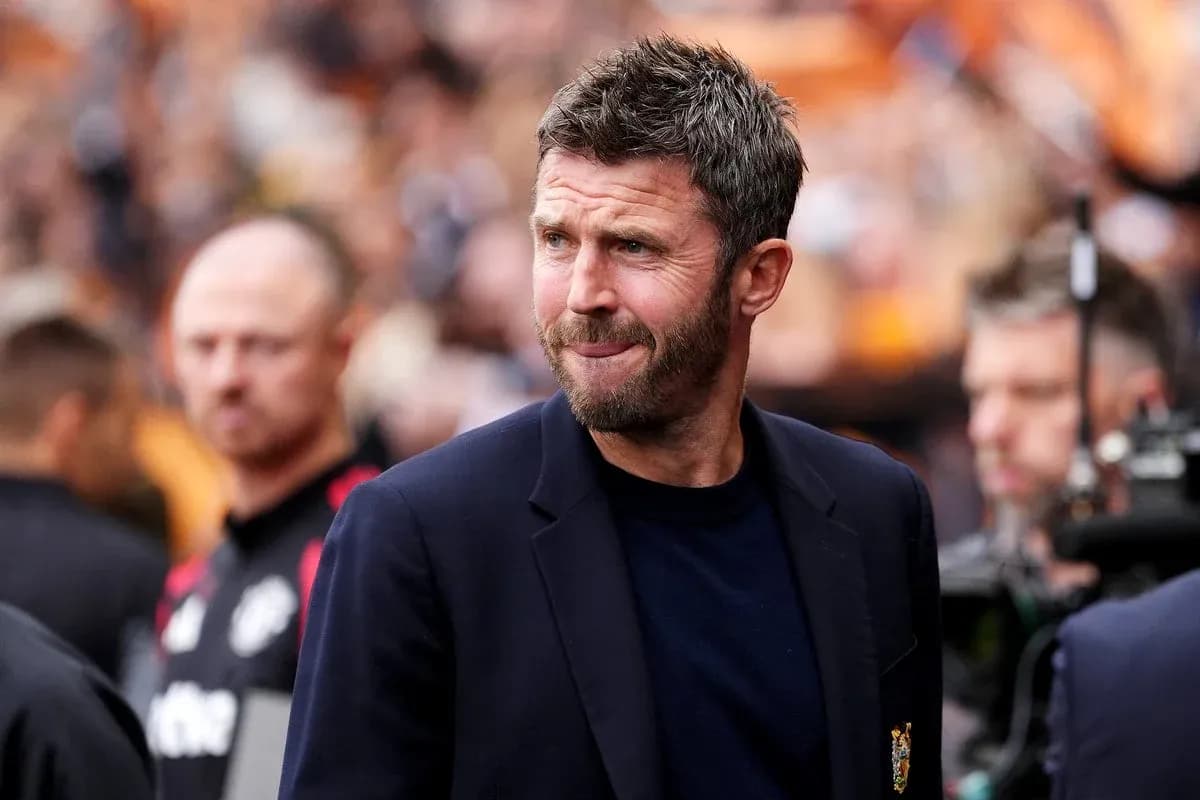
Manchester United's Rise Under Michael Carrick: A New Era
Manchester United are finally top of a table that matters again – and this one has nothing to do with net spend or deadline-day drama.
Since Michael Carrick walked into Old Trafford in January, no Premier League side has taken more points. For the first time in years, United’s rise is being measured on the pitch rather than in the balance column. The club that used to treat transfer windows like an arms race has, almost quietly, slipped into the bottom half of the spending table.
When the window shut, the numbers looked jarring. According to Transfermarkt, United’s outlay stood at £148m, potentially rising to £155m, and every penny of that went on midfielders. No senior striker. No senior defender. No extra left-back. Meanwhile, Manchester City sailed past £400m, Chelsea and Tottenham went north of £300m, and Newcastle, Aston Villa, Liverpool and Arsenal all cleared £200m. United sat 11th, outspent by promoted Ipswich and Hull.
For a club conditioned to excess, this felt like austerity in red.
Carrick, though, is not in the habit of throwing grenades at his employers. He chose his words carefully, but the subtext was clear enough.
“Certainly, the players that we've brought into the group, I'm absolutely delighted with,” he said. “I think we've done some really good business there for the quality and the level of player that we've got. You can always look at it, and there's other things you can do or possibly could have done.”
The deals they “could have done” never came. And, in truth, perhaps they never really could.
United were offered Rayan Ait-Nouri on loan on deadline day, a sticking-plaster solution at left-back. A permanent move for Lewis Hall was never realistic, even if Newcastle had been minded to cash in. The top-end market was running away from them, and they knew it.
A selling problem that will not go away
Plenty of forces converged to leave United boxed in. One of them is depressingly familiar: they still cannot shift the players they no longer want.
The Manuel Ugarte situation summed up their luck. An injury at the World Cup killed any serious market for him. Internally, United may have started the summer expecting to bring in decent fees for Ugarte, Andre Onana and Joshua Zirkzee. Instead, Zirkzee is still on the books and Onana has gone back to Trabzonspor on loan.
The one they might be most relieved to have kept is Marcus Rashford. Barcelona did not exercise their option to buy the forward for a proposed £26m fee. If Rashford rediscovers his best form, that price will look laughable. Unlike several others, he still has the talent to be a first-choice cornerstone, not just a line on the wage bill.
Even so, the broader plan collapsed. United might have pencilled in an extra £50m, perhaps even £100m, from sales. Strip out the money from the Rasmus Hojlund deal with Napoli – agreed in 2025 and the only major sum of note – and the picture is stark: only Coventry made less from player departures.
That leaves United higher up the net-spend rankings, but still out of step with the modern, hyperactive trading model. Villa and Chelsea turned profits. Newcastle flirted with doing the same for much of the summer. United, by contrast, look like an old heavyweight still fighting under old rules.
Caught cold by a runaway market
In other ways, they simply misread the room. Transfer fees have been inflating for years, but this summer the market for certain profiles went wild – and United were left blinking.
Midfielders they tracked, from Elliot Anderson to Mateus Fernandes, started moving for huge sums. United could not, or would not, join the bidding wars. For a club used to dictating the pace, that loss of financial muscle felt significant.
Any “credit crunch” at Old Trafford is not just about this window. It is the hangover from years of misjudgment. The club has absorbed heavy losses on big-ticket signings like Antony and Casemiro, and those mistakes are now baked into every decision.
Even where they found value – Senne Lammens arrived as a clear bargain last summer – questions linger over the prices paid for others. The £200m attacking trio of Bryan Mbeumo, Mateus Cunha and Benjamin Sesko may yet justify the investment, but it is fair to ask whether United overpaid, and how much that premium is now restricting them.
Their annual accounts tell a familiar story: sizeable sums still owed to other clubs in staggered transfer payments, and the ever-present interest on the debt loaded onto the club by the Glazer family. Every window begins with a bill.
The cost of failure
Ruben Amorim’s short, turbulent reign did not come cheap either. Sporting CP pocketed €11m in compensation, and United then had to keep paying the Portuguese coach after his dismissal. The fallout from that season ran deeper than the dugout.
Finishing 15th in the Premier League in 2025 hammered the balance sheet. Prize money shrank. A season of only 40 matches – including a Carabao Cup exit to Grimsby under Amorim and an FA Cup defeat to Brighton under Darren Fletcher – stripped away matchday and broadcast revenue. The club paid for failure twice: once in pride, once in pounds.
So this summer became something United are not used to: a budget rebuild.
Youri Tielemans arrived via a £35m release clause, a neat piece of business when set against the £125m Chelsea paid for Enzo Fernandez. Andrey Santos cost £77m less than his former team-mate at Stamford Bridge, even if he spent much of his Chelsea spell watching from the bench while Fernandez started.
Carlos Baleba was the headline signing at an initial £65m, the priciest of the trio but only the 10th most expensive Premier League transfer of the window. For United, that is a different kind of list to be on.
Carrick, for now, has made it work. The league table since his arrival says as much. The question is whether this leaner, more restrained version of Manchester United is a blip born of circumstance – or the new reality for a club that once tried to buy its way out of every problem.