Mauricio Pochettino’s Vision for USMNT’s Rising Teenage Talent
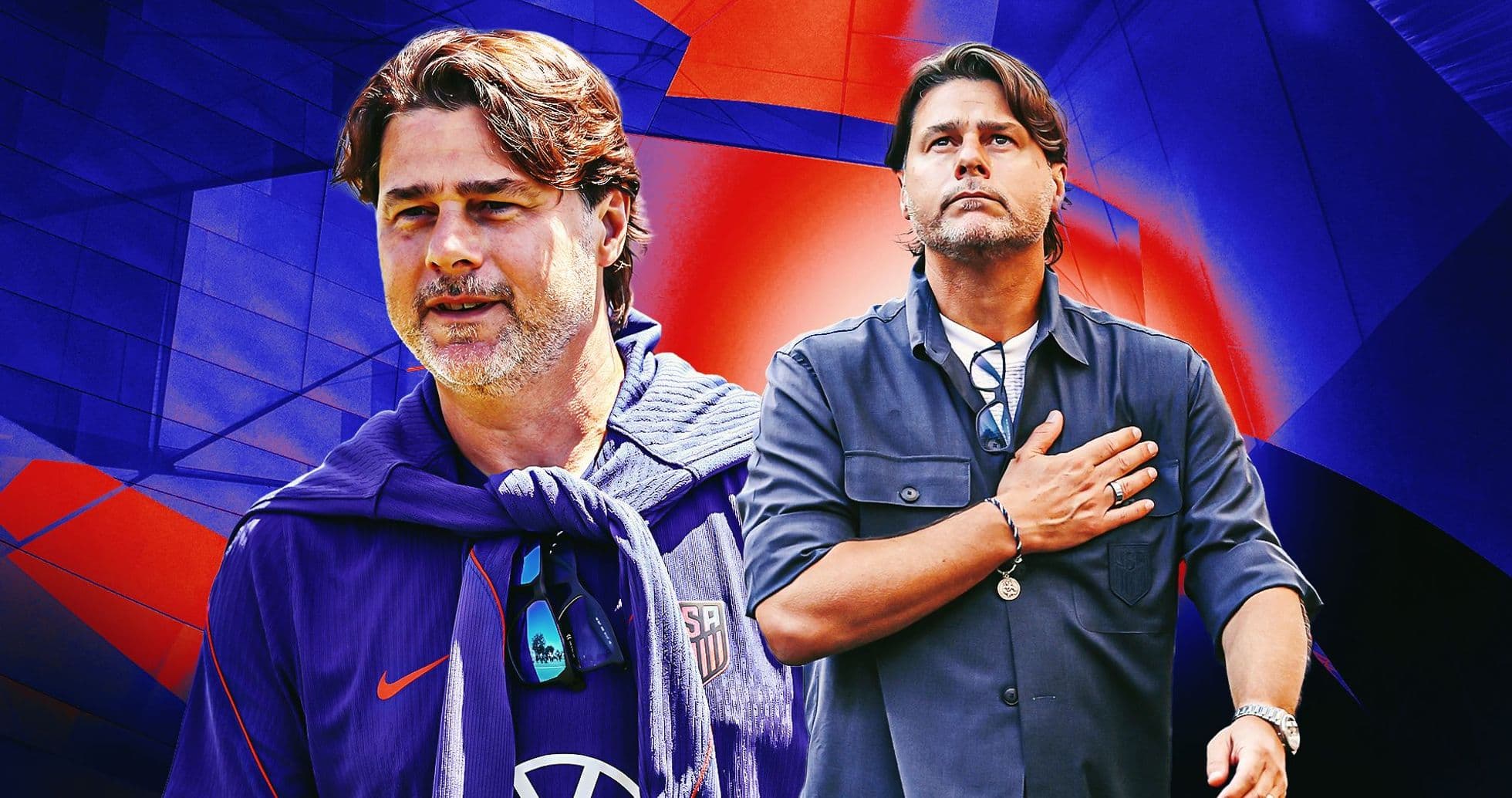
Young players like Cavan Sullivan and Zavier Gozo are catching eyes across American soccer, and Mauricio Pochettino is watching closely. With friendlies coming up against Peru, Chile, Mexico, and Canada, the USMNT coach is weighing which teenagers are ready to step onto the international stage.
“We are watching everything,” Pochettino says, highlighting his staff's active scouting and involvement. He knows timing is tricky: push a player too soon and their progress may stall; wait too long and they miss vital experience and confidence.
What Pochettino Looks For Beyond Talent
The Argentine has a strong record developing youth but stresses balance between confidence and maturity. “Young players need belief in themselves, but there’s a limit. Protecting these guys is one of our jobs,” he explains. Daily improvement and consistent performance count as much as natural skill.
Maturity extends off the field too. Pochettino values respect, professionalism, and how young players carry themselves around teammates and coaches. He cautions against arrogance unless earned, noting only legends like Messi can afford to speak out of turn.
Physical readiness isn’t a big worry; Pochettino dismisses concerns about 17-year-olds needing rest, calling it a sign of a deeper issue if that’s the case.
The Next Generation Spotlight: Sullivan and Gozo
At just 16, Cavan Sullivan has scored three goals in three games against adults, sparking excitement. Former US goalkeeper Tim Howard believes Sullivan deserves serious consideration for regular USMNT roles over the next few years. Sullivan himself dreams of contributing and believes in his readiness.
Zavier Gozo, who nearly made the World Cup squad, was held back by Pochettino to gain more experience. Now at Crystal Palace, Gozo is fired up to prove he belongs and aims for the next World Cup.
Strategic Integration of Youth and Experience
Bringing young players into the national team won’t happen en masse. Veterans like Chris Richards remain key, helping new faces adjust and compete. Richards sees value in blending established pros with hungry youngsters chasing their first caps.
Pochettino wants a mix that builds both for today and the future, including looking toward the 2030 World Cup and Olympic Games. He’s mindful of different positions needing fresh talent and will carefully introduce newcomers to high-pressure situations.
Attention to Detail in Development
Beyond matches, Pochettino observes how players behave off the pitch—how they interact with opponents and teammates, media conduct, training habits, punctuality, and extra work after sessions. These traits inform whether a player meets the standards expected at the highest level.
Unlike club coaching where daily contact allows gradual development, national team camps come infrequently. A player might not be ready now but could be a star months later. Decisions made soon will influence the team’s makeup for years to come.
“We need to create a group of players that are really being professional and competing in the way that we expect,” Pochettino said. “They all need to compete with the talented players and young players that we have ahead.”