Mbilli vs Alvarez: A Title Fight Amidst Conflict
In a city living under sirens and interception alerts, Christian Mbilli and Saul “Canelo” Alvarez stepped onto the scales and carried on as if nothing else existed.
Twenty-four hours after two ballistic missiles were shot down over Riyadh, the two super-middleweights made weight for a world title fight that will go ahead in a capital juggling high-stakes diplomacy, security fears and one of boxing’s biggest names.
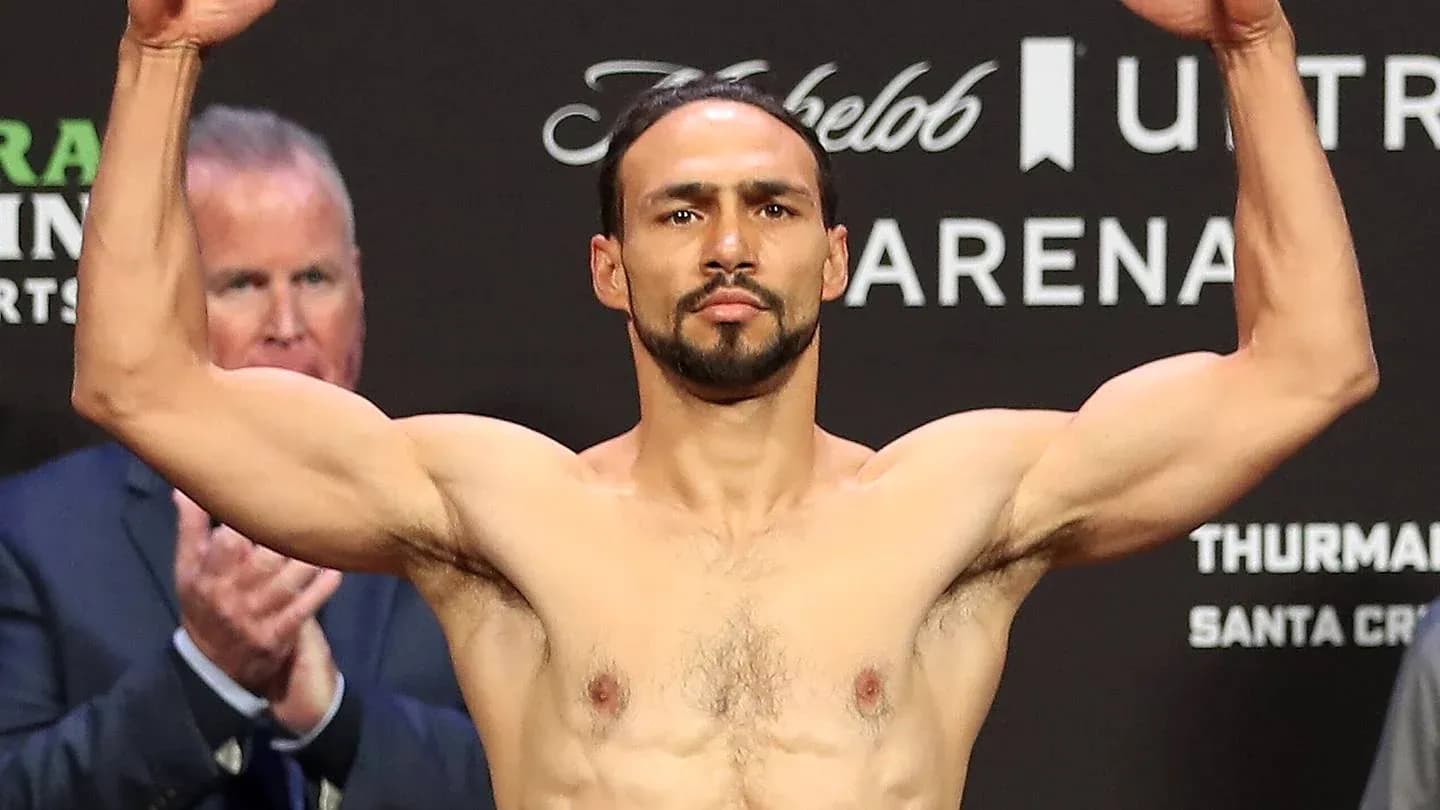
Both men came in right on the 12st (76kg) limit. No drama there. No missed marks, no late sweats. Just two fighters locked in on a night that, in any other setting, would be the only story in town.
Mbilli, 31, was elevated to WBC super-middleweight champion in January. This is his first defence, and it comes against the defining figure of his division over the last decade. Across from him, Alvarez, 36, prepares to walk to the ring for the 69th time as a professional, almost exactly 21 years after his debut on 29 October 2005.
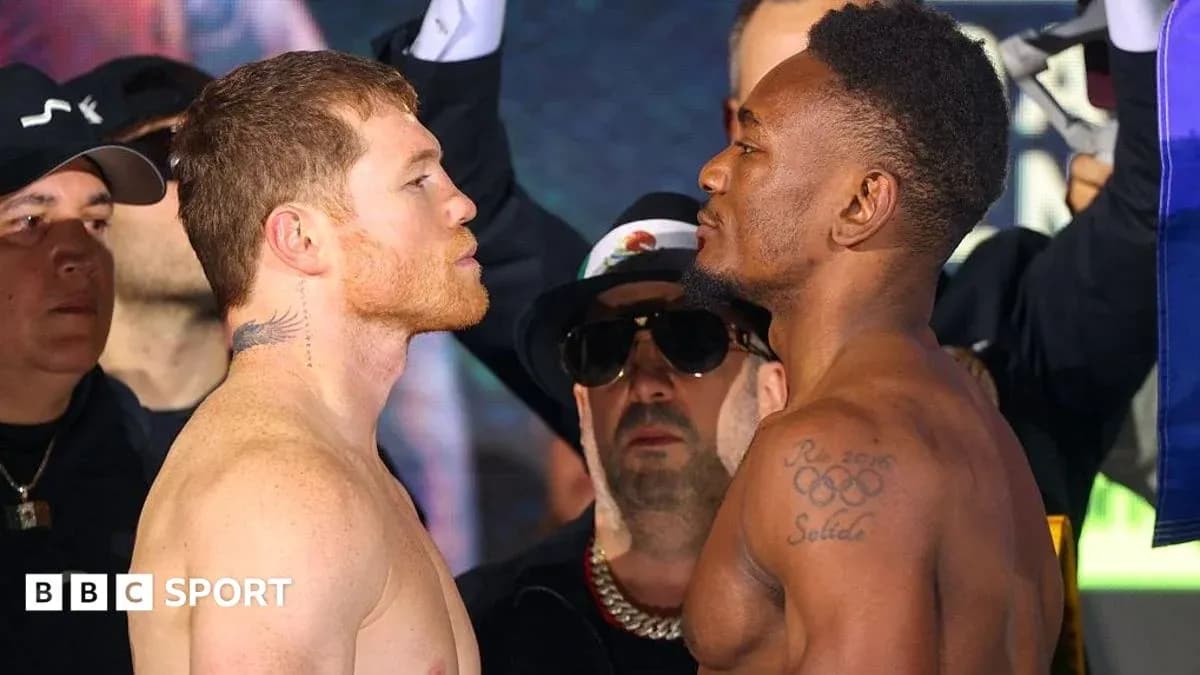
The face-off was tight but controlled. No pushing, no theatrics, only a hard stare and a brief exchange of words. Respect, yes. Complacency, no chance.
“This is very important for me, I've been doing this for 21 years and won my first world title 16 years ago. It's important for me to win a title again,” Alvarez said, voice steady, eyes fixed on the belt that used to be his kind of property. Then came the warning. “My experience is different, he hasn't faced anyone like me and I'll teach him tomorrow.”
That is the heart of this fight: youth of a champion’s reign against the weight of a legend’s résumé. Mbilli holds the belt. Alvarez holds the history.
Yet the backdrop is impossible to ignore.
For weeks, doubts have hung over whether the event could safely take place in Saudi Arabia as the conflict with Yemen’s Houthi movement intensifies. The UK’s Foreign, Commonwealth and Development Office currently advises against all but essential travel to the entire country, a stark line in any travel guidance, let alone for a global sporting event.
On Thursday, the Saudi Press Agency reported that Civil Defence forces intercepted two ballistic missiles over Riyadh. A civilian suffered a minor injury. Falling shrapnel damaged a house and a vehicle. It was another reminder that the risk here is not theoretical.
Earlier in October, a missile strike on Riyadh’s King Khalid International Airport killed 13 people and wounded more than 300. That attack has cast a long shadow over every travel plan for Saturday’s bout. Restricted access to the airport has complicated logistics for fighters, teams, broadcasters and fans, turning what is usually a glossy fight-week procession into something far more fraught.
Still, the machinery of big-time boxing has rolled on. Cameras clicked as Mbilli and Alvarez hit the limit. Promoters talked of legacy and spectacle. Trainers fussed over final details. The fighters did what fighters always do: they narrowed their world to the ring, the opponent, the next 12 rounds.
For Mbilli, this is the night that can stamp his name on the division. For Alvarez, it is about proving that the old timing, the old instincts, still rule when the bell goes.
In Riyadh, with missiles in the recent past and travel warnings in the present, they will find out.