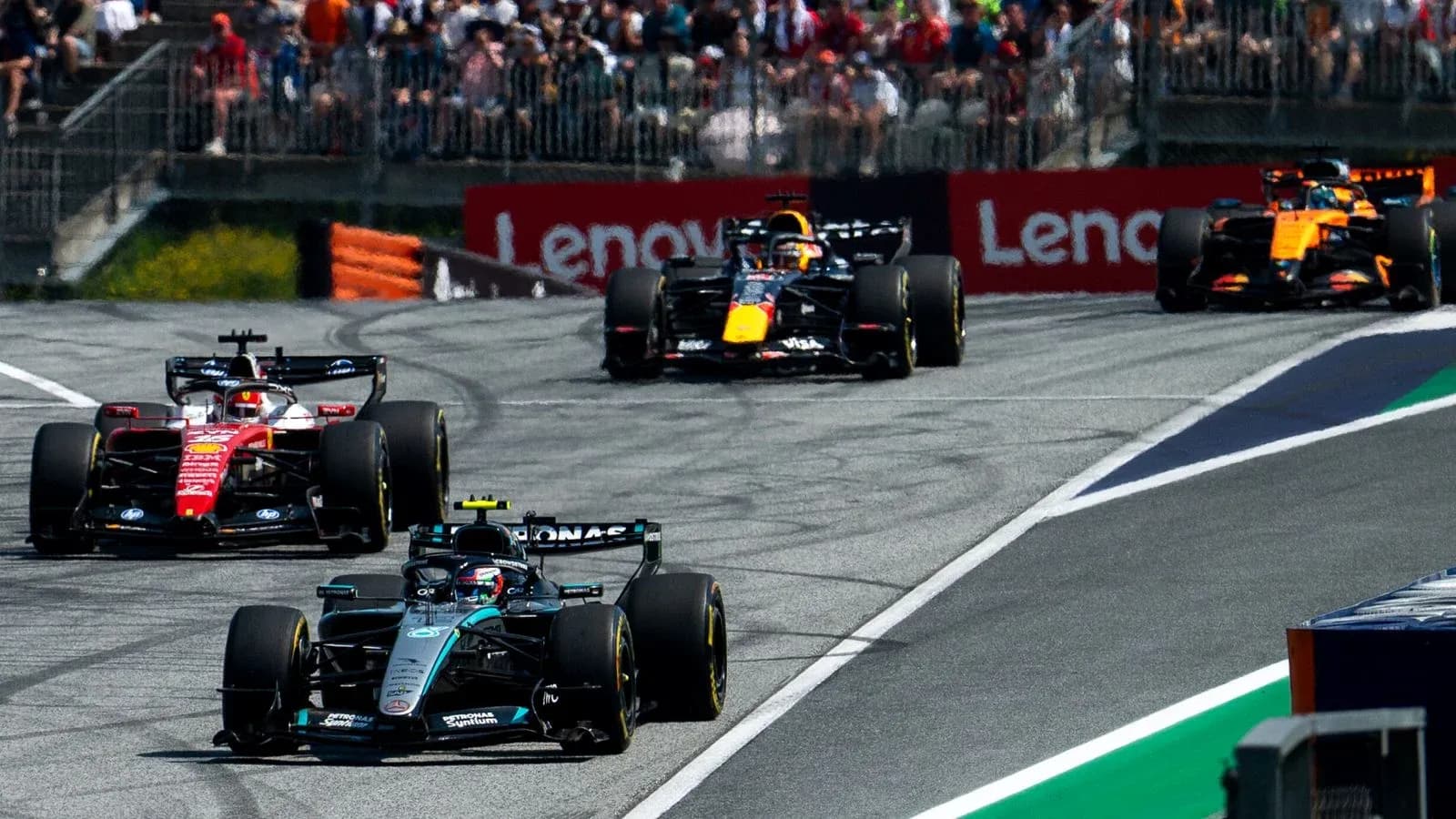
Mercedes Secure Another Constructors' Title in F1's New Era
Mercedes have wrapped up Formula 1’s new era with another crushing title double, but this doesn’t feel like 2014 all over again. Not this time. Not with this cast.
A week after Kimi Antonelli rewrote the record books in Mexico as the youngest world champion in F1 history, the 20-year-old’s Mercedes team completed the job in Brazil, sealing the constructors’ crown with three races to spare. The trophies were never really in doubt. The route to them was anything but dull.
Antonelli and Mercedes came out of the blocks like a hammer blow, sweeping the first six races of 2026 and hinting at another long, grey period of Silver Arrows dominance. Then the rest woke up.
Since that early streak, Mercedes have taken six more wins. McLaren’s Lando Norris and Red Bull’s Max Verstappen have three each. Ferrari’s Lewis Hamilton and Charles Leclerc both stand on the top step once, and on another day, with fewer mistakes and fewer collisions, they could have had more.
On Sunday at Interlagos, the title-clincher felt oddly flat. Norris won for McLaren, Verstappen chased, and the two Mercedes came home fourth and fifth, George Russell ahead of Antonelli. It was enough to close out the constructors’ race, but it underlined a jarring statistic: just one Mercedes victory in the last five grands prix.
In 2014, the last time F1 ripped up the rulebook, Mercedes broke the sport. They won the first six races of that hybrid era, then seven of the last seven, and turned the championship into a procession that lasted eight straight constructors’ titles.
This doesn’t look like that. Toto Wolff knows it.
The Mercedes team principal, architect of that first dynasty, cut a realistic figure after Brazil. He talked of a grid too professional, too well-resourced, to allow anyone to run away and hide. One upgrade misfire, he pointed out, and a dominant car can become third-best almost overnight. That’s exactly what has played out over the last two months.
A new engine war with no runaway winner
Back in 2014, Mercedes’ power unit was the cheat code. They were miles clear of Renault and Ferrari. The rest of the car almost didn’t matter.
This time, the numbers tell a very different story.
The FIA’s in-season testing programme, introduced alongside the new rules, actually rated Red Bull’s unit as the strongest of the field in the Milton Keynes outfit’s debut year as a manufacturer. That verdict raised eyebrows. Some in the paddock were stunned that Mercedes, already dominant, would gain extra scope to improve under the ADUO system – the Additional Development and Upgrade Opportunities scheme designed to help any manufacturer more than two per cent down on the benchmark.
Controversial or not, the key point is brutal in its simplicity: Red Bull are in the same performance postcode as Mercedes on power. The days of a single engine towering over the rest appear to be gone.
Red Bull’s new engine division is still young. It will only get sharper. If the power units stay this close, the margins shift to chassis and drivers. That’s where the era will be won.
McLaren, supplied by Mercedes, have already proved that a customer team can rule the roost. They took back-to-back titles in 2024 and 2025 and came within a handful of points of keeping Norris ahead of Verstappen last year. Being a customer hurt them in 2026, as they’ve been quick to admit, but they expect to clean that up over the winter.
The details tell the story. McLaren ran shorter-than-planned gear ratios, costing them performance and flexibility. It’s the sort of issue that almost never hits a works operation. Fix that, keep extracting the best out of the Mercedes unit, and the Woking team will not settle for being anyone’s supporting act.
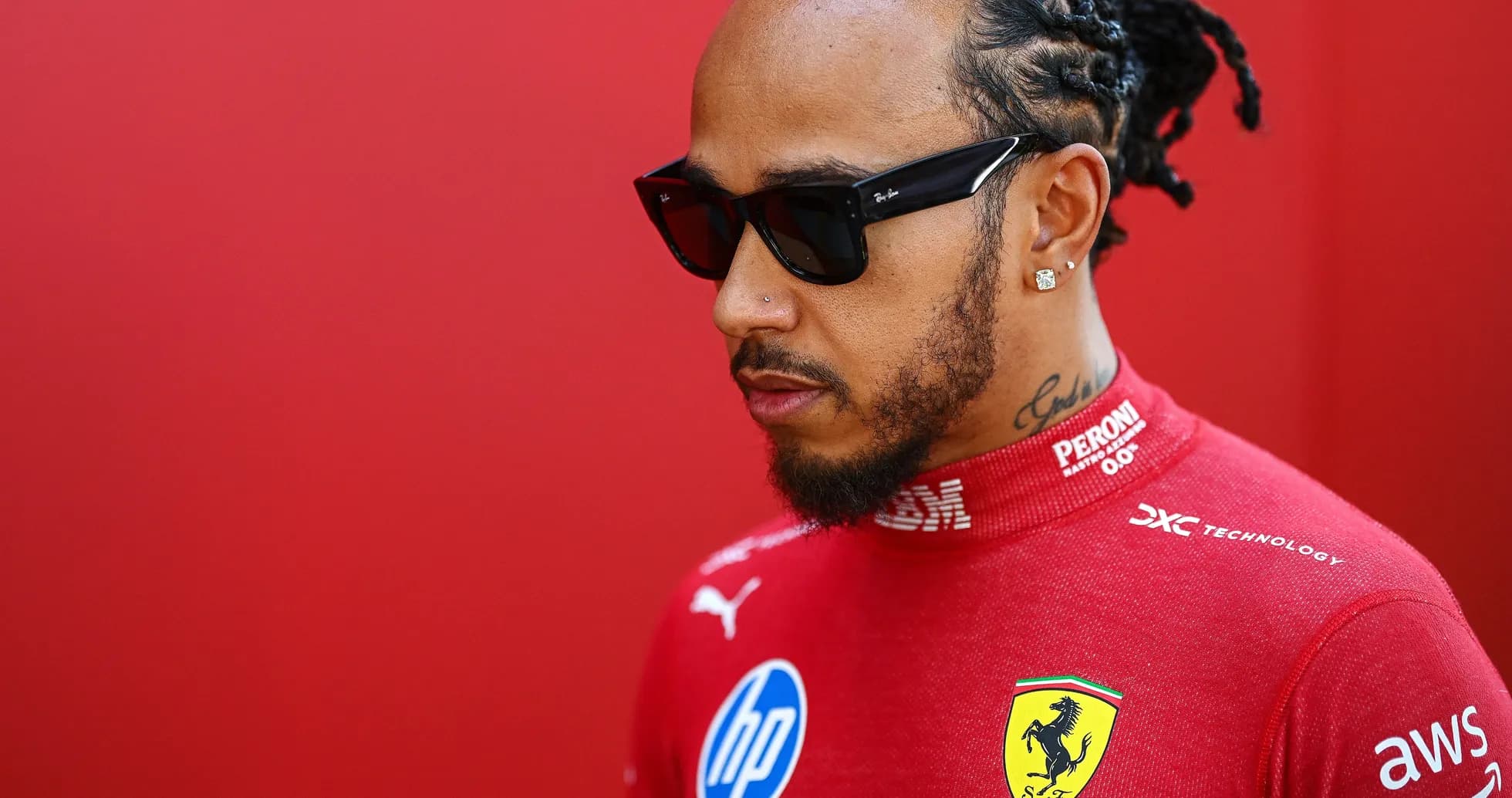
Ferrari, by contrast, have spent the year light on power compared to the other three members of F1’s new “big four”. Hamilton has been blunt: the Scuderia’s top priority heading into 2027 is to close – or at least dramatically shrink – that deficit. Until they do, they’re fighting with one hand tied behind their back.
Ferrari, McLaren, Red Bull: the low-hanging gains
Take the engines out of it, and there’s still a thick layer of easy gains sitting in front of Mercedes’ three main rivals.
Ferrari’s car has been fast enough to fight for poles and wins. The execution has not. Q3 laps have gone missing at key moments. Strategy calls have gone wrong. Penalties have piled up. Then there’s the in-house combat.
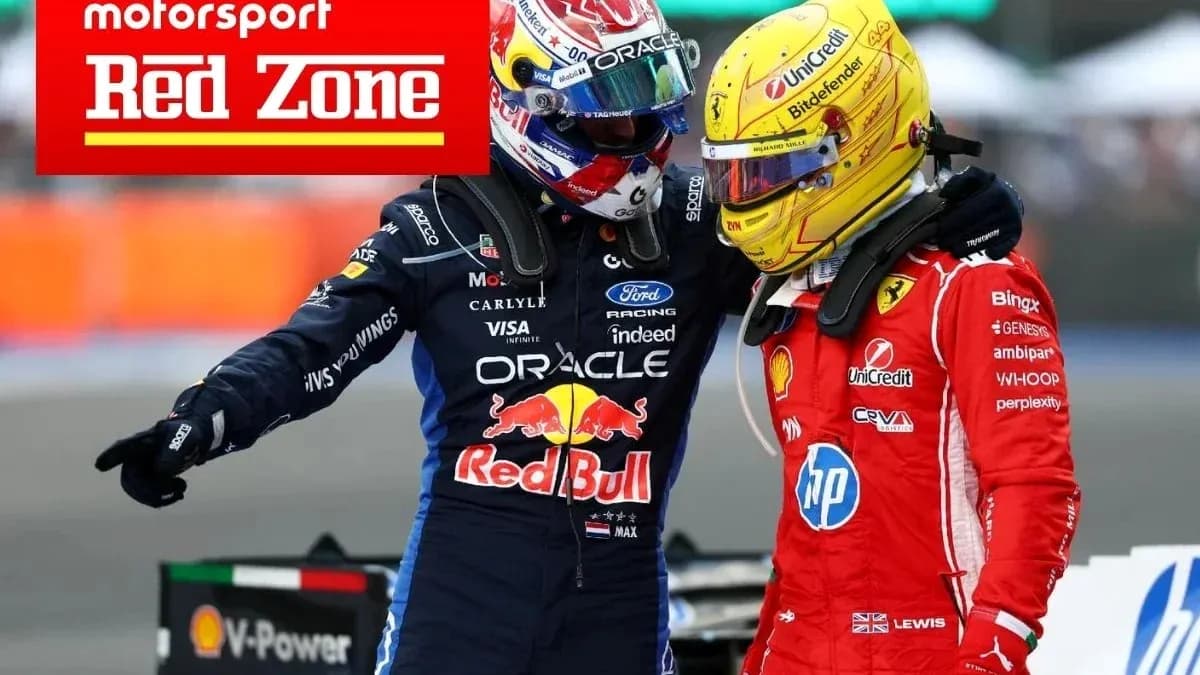
Nothing summed up Ferrari’s year like Mexico, where a likely one-two imploded on lap one as Hamilton and Leclerc tripped over each other. That wasn’t an isolated flashpoint, just the loudest. The raw pace is there. The operational sharpness is not. Until that changes, anyone predicting the end of Ferrari’s title drought is doing so on faith, not evidence.
McLaren’s year has been shaped by what came before it. Their 2025 title push drained resources, as the team piled everything into making sure Norris or Oscar Piastri finished the job. Norris did, but the hangover was obvious early in 2026.
The start of this season was sluggish. Too sluggish for a reigning champion outfit. Andrea Stella has since pointed the full weight of McLaren’s engineering talent back towards 2027. The expectation inside Woking is clear: they’re back in the fight next year, not watching it.
Red Bull, meanwhile, have spent the last two seasons reminding everyone that no one develops a car like they do. They began 2026 off the pace, then carved their way back into contention, ending the year with arguably the sharpest package.
Verstappen has been relentless. He nearly snatched last year’s title away from Norris with a late-season charge and is currently on a run of eight straight podiums, stretching back to Monza in early September. Give him a car that starts the year as strong as it finishes, and he becomes the benchmark all over again.
Red Bull team principal Laurent Mekies summed up the state of play neatly in Brazil. Turn up at a circuit now, and you genuinely don’t know which of the four big teams will win. For a sport still scarred by one-team eras, that unpredictability is pure gold.
Did Mercedes blink – or are they hiding something?
The most intriguing subplot of Mercedes’ season sits not in the standings, but in the wind tunnel.
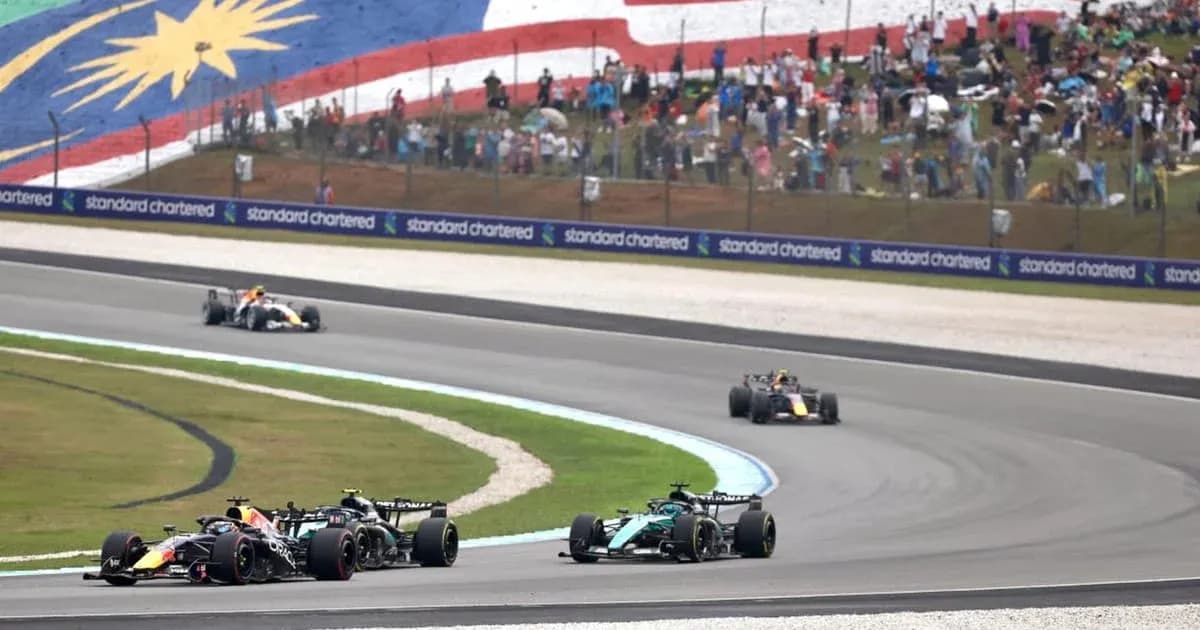
Their drop-off in the second half of the year traces back to a single moment: the major upgrade package they unleashed in Malaysia at the start of October, when Sepang stepped in to host the rescheduled Bahrain Grand Prix.
While McLaren, Red Bull and Ferrari chipped away with steady, incremental updates, Mercedes chose patience and a big swing. They talked up the new parts. The expectation was obvious – this would be the kit that restored clear daylight between them and the rest.
It didn’t happen. Since that package arrived, Antonelli has won only once, in Austin. Across five races with the new spec, that’s the only success. For a team that built its reputation on turning upgrades into instant lap time, the misfire is stark.
If Mercedes were genuinely blindsided by the lack of performance, that’s a worrying sign for 2027. It suggests their development models, their understanding of this ruleset, might not be as bulletproof as they once were. You don’t want to discover that while designing next year’s car.
There is another reading. Mercedes may have been more focused on 2027 than they’re letting on. The temptation to shift resources early, with both titles under control, would have been huge.
It wouldn’t be the first time they’ve played the long game. In 2019, they started the year in crushing form, only for Red Bull and Ferrari to claw them back and raise hopes of a tight 2020. When the next season arrived, Mercedes produced one of their most dominant campaigns of the era.
Wolff knows the pattern. He also knows the landscape has changed.
“There are three or four teams that will be competing for a championship next year, and it could go either way,” he said on Sunday. His mind, he admitted, is already on the next race, the next title fight.
So is everyone else’s.
Mercedes stand on top again, champions in both tables, their teenage prodigy already a world champion. But this time, the pack is close, hungry and armed with data. The question for 2027 isn’t whether anyone can catch the Silver Arrows.
It’s who lands the first punch.