Mexico Celebrates World Cup Win with Unforgettable Carnival
The signs were there long before a ball was kicked.
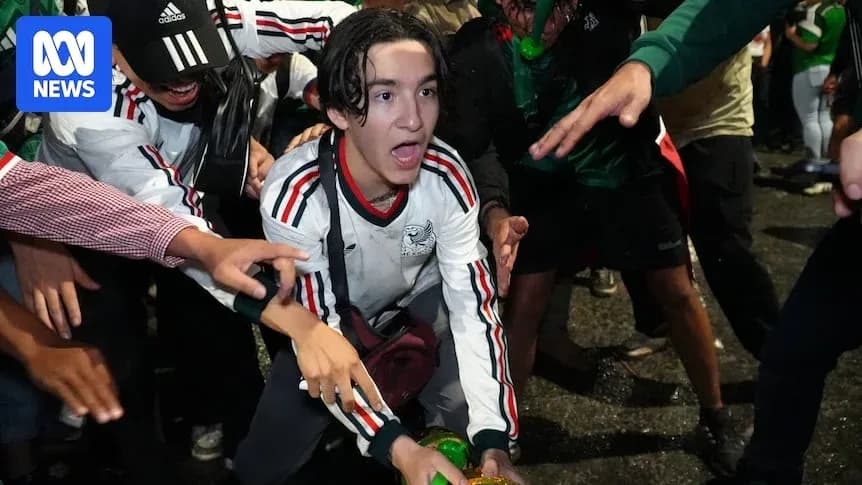
On the eve of Mexico’s World Cup opener, the streets of the capital turned into an unofficial fan zone. Street sellers ran out of green jerseys as latecomers scrambled to dress the part. Around El Ángel de la Independencia, hundreds gathered, singing, dancing, and draping the monument in flags. Car horns became part of the soundtrack, echoing into the early hours.
If this was the warm-up, the main event was always going to explode.
A city turns into a World Cup carnival
Mexico’s players did their share first, taking care of South Africa 2-0 in the tournament’s curtain-raiser, shared across Mexico, Canada, and the USA. Once the final whistle went, the city took over.
Paseo de la Reforma, the grand boulevard that cuts through Mexico City, morphed into a pedestrian-only sea of green. No traffic, just people. Beer arced through the air in foamy showers. Fake snow hissed from cans. Conga lines snaked past plastic World Cup trophies held aloft like the real thing.
Food stalls worked overtime. Tacos, tortas, and every imaginable street snack fueled the celebration. Souvenir stands did brisk business, glow sticks lit up the night, and a free concert turned the boulevard into an open-air stadium of its own.
For an outsider, it might look like an over-the-top reaction to a single group-stage win. For Mexico, this is routine. This is how they mark any major victory for the men’s national team: by converging on their own version of Fed Square, a victory monument on a chaotic roundabout, and refusing to go home until the sun threatens to rise.
Their stamina for joy is as relentless as any high press.
Roars, cramps, and a new idol
The party started long before kick-off. Outside the stadium, traditional performers set the tone, drumming, dancing, and pulling fans into the rhythm. Inside, the atmosphere shifted from festive to ferocious.
Eighty thousand voices crashed around the arena, joining in with the opening ceremony and its star turn, Shakira, the World Cup’s unofficial queen. Yet even she was only a prelude. The real noise was saved for the goals.
When Raúl Jiménez rose to head home, the sound was visceral. Years after the horrific head injury that threatened his career, his goal felt like a collective exhale, then a roar that shook the place. It wasn’t just a 1-0 lead. It was redemption, resilience, and relief rolled into one moment.
Later, another surge of sound greeted Gilberto Mora. Just 17 and already tagged as a superstar in waiting, he stepped onto the pitch in the second half and the reaction was instant. The entire stadium chanted his name, a rare, unanimous welcome usually reserved for players who have already changed the game, not those merely tipped to do so.
On the touchline, coach Javier Aguirre understood exactly what his players were feeling. A veteran of the 1986 World Cup on home soil, he knows how the weight of expectation sits on a player’s shoulders when the tournament finally begins.
“The start of the World Cup is a brutal scenario, it makes your legs shake a little,” he said. The journey from the calm of the training centre to the chaos of the streets, the flags, the noise, the faces pressed against fences — it all seeps into the dressing room.
“Never, never in 25 matches we had one case of cramps, today we had three players with cramps,” he noted. Not a fitness issue. An emotional one. The body tightening under the strain of the moment.
The players now have to come down from that high, reset, and prepare for the next group game. The lid must go back on. For the fans, it has blown clean off.
“It means everything. It means a lot,” one supporter said amid the celebrations. “It’s putting us back on the map. It shows that Mexico is present in the world of football.”
Infantino’s “chillax” and the questions ahead
High in the stands and in the corridors of power, Gianni Infantino will have watched all this with obvious satisfaction. On the eve of the tournament, the FIFA president had bristled at the criticism aimed at his organisation, reaching for early-2000s slang as he urged everyone to “chillax.”
Now the football has finally started, and the chill pills, as he might put it, have been swallowed. The party has broken out. For a moment, the noise has drowned out the complaints.
He can breathe a little easier. For now.
The scrutiny, though, isn’t going anywhere. Mexico lives and breathes this sport, but north of the border the landscape is different. In Canada and the United States, “soccer” still fights for space in a crowded sporting market.
Big names and marquee clashes will pack stadiums. That much feels certain. The real test lies elsewhere. Will fans pay steep ticket prices to watch the so-called off-Broadway acts, the less glamorous fixtures that make up the bulk of a World Cup schedule?
There is another question hanging over the US leg of the tournament. Will Immigration and Customs Enforcement — ICE — cast a shadow over the festival feel, especially for migrant communities who form such a crucial part of the sport’s heartbeat there?
Those debates will surface soon enough, dragged into the spotlight by politics, economics, and the realities of staging a World Cup across three very different countries.
On this night, in this city, the answers can wait. Mexico has its win, its heroes, its new prodigy, and a monument wrapped in green, white, and red. For now, the football speaks louder than anything else — but how long can it keep the questions at bay?