Milan vs Udinese: Tactical Preview of Serie A Matchday 8
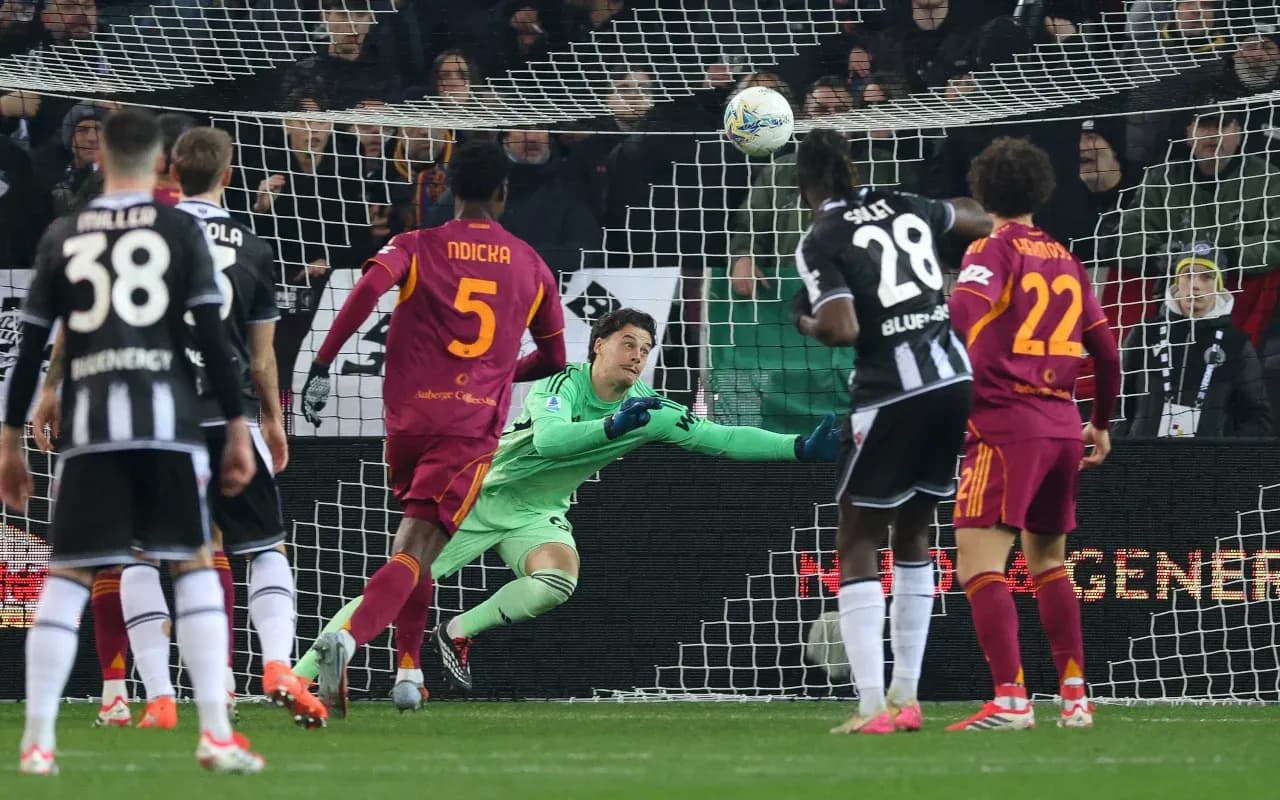
Under the lights of the Bluenergy Stadium, this was a meeting of two clubs moving in opposite directions. Udinese came into Matchday 8 of Serie A clinging to 17th place with 4 points, their goal difference a bleak -9 from 9 goals scored and 18 conceded overall. AC Milan arrived in Udine in far ruder health: 4th place, 18 points, unbeaten with 5 wins and 3 draws, and a positive goal difference of 9 built on 16 scored and only 7 conceded overall. The table told one story; the lineups and tactical profiles filled in the detail.
Both coaches leaned into symmetry with matching 3-4-2-1 systems, but the same shape concealed very different identities. Kosta Runjaic’s Udinese, who have used this formation in all 8 league matches so far, are a side still searching for balance. At home they have been particularly blunt, with just 2 goals scored and 9 conceded at the Bluenergy Stadium, averaging 0.4 goals for and 1.8 against per home game. On their travels, paradoxically, they have been more dangerous going forward, averaging 2.3 goals scored away, but that attacking ambition has come at the cost of defensive stability.
Ruben Amorim’s Milan, meanwhile, brought a flexible tactical toolbox. They have alternated between 3-4-2-1, 4-4-2 and 3-4-3 this season, but here matched Udinese’s back three, trusting their superior quality to tilt the mirror in their favour. Overall, Milan average 2.0 goals scored and 0.9 conceded per match, with a perfect home record and a controlled, unbeaten away run: on their travels, 2 wins and 3 draws, 8 goals scored and 5 conceded, an away average of 1.6 for and 1.0 against.
Injury absences framed the contest before a ball was kicked. Udinese were stripped of depth and leadership: D. Alaba (calf), V. Bayo (thigh), I. Gueye (ankle), O. Solet (muscle) and A. Zanoli (muscle) all listed as missing. For a side already conceding 2.3 goals per match overall and yet to keep a single clean sheet, losing defensive and structural options only deepened the tactical void. It placed an even heavier burden on the starting back three of J. Abankwah, C. Kabasele and M. Palma, shielded by the industrious double pivot of J. Karlström and J. Piotrowski.
Milan’s absentee list was just as star‑studded, but their squad depth softened the blow. S. Chukwueze (hip), M. Gabbia (thigh), M. Gila (ankle), D. Moreira (thigh), A. Rabiot (calf) and A. Saelemaekers (ankle) were all ruled out. The loss of Rabiot was particularly significant: 4 goals and 3 assists in 7 league appearances, one of Serie A’s leading contributors both as scorer and creator. Diego Moreira, another missing attacking spark with 3 goals and 1 assist, further reduced Amorim’s wide options. Yet Milan could still field a midfield of Fikayo Tomori, Luka Modric, Ardon Jashari and Davide Bartesaghi across the four, with Christian Pulisic and Omari Hutchinson supporting Gonçalo Ramos up front. Depth, here, became a tactical weapon.
Within Udinese’s XI, the creative and scoring load fell squarely on G. Chakvetadze and J. Ekkelenkamp behind K. Davis. Ekkelenkamp, already on 3 goals and 1 assist this season, is one of Serie A’s more efficient attacking midfielders, combining 14 shots and 7 key passes with honest defensive work: 11 tackles, 1 blocked shot and 5 interceptions. He is Udinese’s “hunter”, the one player with the numbers to trouble elite defences. Behind him, Karlström is the enforcer: 14 tackles, 5 successful blocks and 5 interceptions in 8 games, but also 8 fouls committed and 3 yellow cards. He walks the line between control and chaos, a key figure in a side whose yellow cards tend to cluster in the 31‑45 minute window (28.57% of their cautions) – a sign of pressure building before half-time.
For Milan, the “hunter vs shield” duel unfolded across zones rather than individuals. With Rabiot absent, Ramos became the reference point in the box, but the creative engine remained Modric. The Croatian’s Serie A numbers underline his quiet dominance: 497 completed passes at 92% accuracy, 9 key passes and 10 interceptions in 8 appearances. He is both playmaker and first line of counter-press, dictating rhythm and closing passing lanes. Behind him, Strahinja Pavlovic anchors the back three as the “shield”: 20 tackles, 2 blocked shots, 6 interceptions and a massive 71 duels contested, winning 51. His 3 yellow cards show he does not shy away from confrontation, but they are the scars of an aggressive, front‑foot defender rather than a liability.
This is where the critical intersection emerges. Udinese, already fragile at home, have yet to keep a clean sheet anywhere and concede heavily across matches. Milan, even away, carry a reliable attacking threat and have failed to score in none of their fixtures. The Rossoneri also show a late‑game edge in discipline and intensity: 26.67% of their yellow cards arrive between 76‑90 minutes, an indicator of sustained aggression in the closing stages rather than fading legs. Udinese, by contrast, spread their cautions more evenly, but their heaviest concentration before the break hints at mental and structural lapses as the first half wears on.
In the engine room, Karlström and Piotrowski face an unforgiving exam against Modric and Jashari. If Udinese’s midfield two are pinned deep by Milan’s possession, Chakvetadze and Ekkelenkamp will find themselves isolated, forced to receive with their backs to goal against a Milan back three marshalled by Pavlovic and protected by Tomori stepping into midfield. Udinese’s best hope lies in transition: Kamara and Vojvoda providing width, Ekkelenkamp arriving late into the box, and Davis attacking the channels vacated when Milan’s wing-backs push high.
Statistically, though, the prognosis favours the visitors. Milan’s overall defensive record – just 7 goals conceded in 8 games, with 3 clean sheets – contrasts sharply with Udinese’s 18 conceded and 0 clean sheets. Milan have already missed one penalty this season, a reminder that their finishing is not flawless, but with multiple scoring threats and a structurally sound back line, they can afford the odd wasteful moment. Udinese, by contrast, have no such margin: with only 1 win from 8 and a home attack averaging 0.4 goals per game, they must be ruthlessly efficient with the few chances they create.
Following this result, a 2‑0 Milan win in Udine, the numbers and the narrative converge. The visitors’ superior structure, depth and control of the engine room translated into scoreboard authority, while Udinese’s familiar issues – a blunt home attack and porous defence – resurfaced. The tactical preview written by the season’s early statistics played out on the pitch: Milan’s shield held firm, their hunters found enough, and Udinese were left still searching for a way to bend this unforgiving campaign back in their favour.