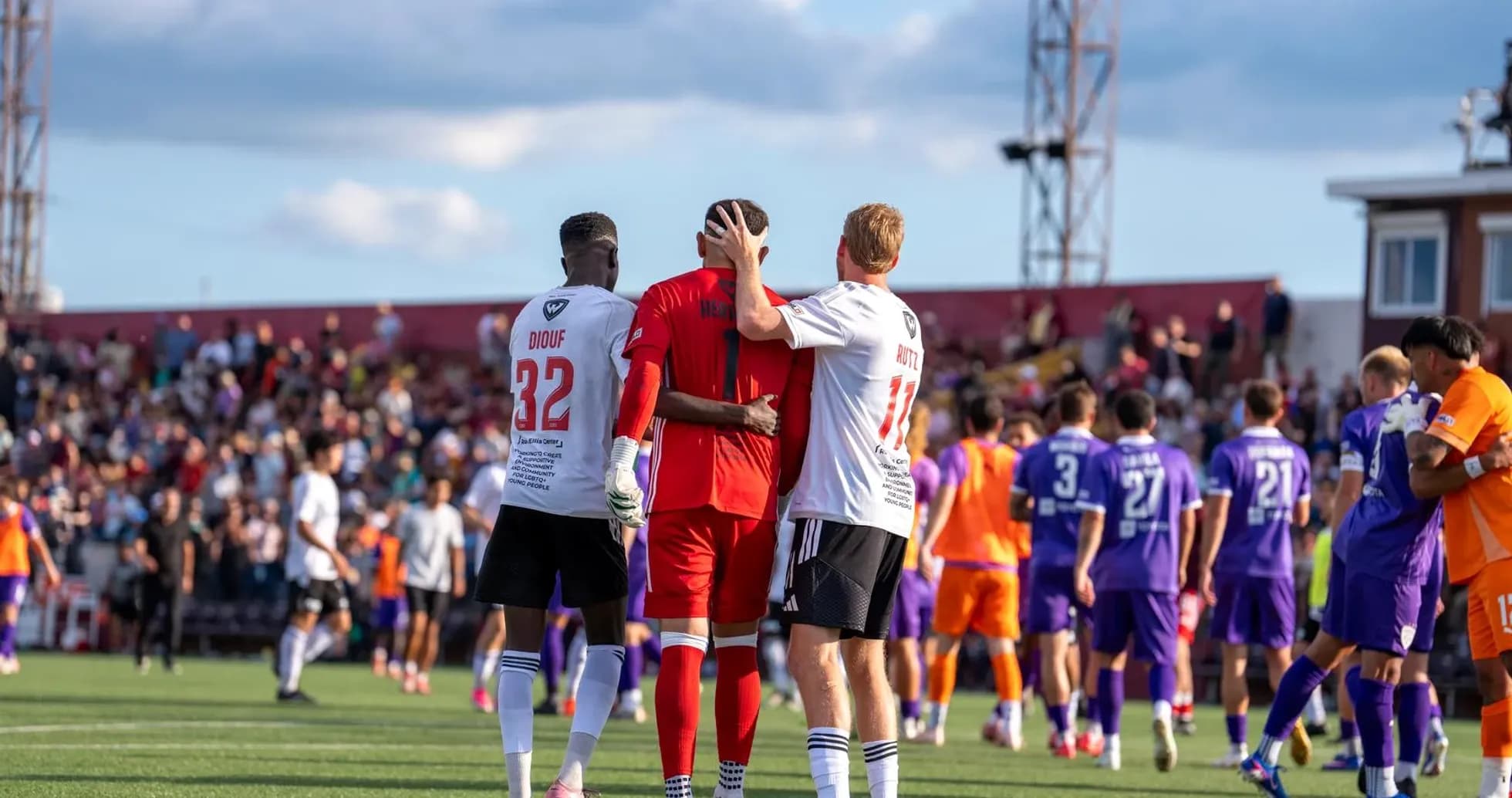
New Mexico United's Statement Win Over Phoenix Rising: A 4-0 Triumph
Under the New Mexico night sky at Rio Grande Credit Union Field at Isotopes Park, this USL League One Cup Group 2 meeting ended as a statement win and a structural warning. New Mexico United dismantled Phoenix Rising 4-0, a scoreline that did more than settle a single fixture; it crystallised the evolving identities of both squads in this 2026 campaign.
Heading into this game, New Mexico were already shaping themselves as one of the group’s most aggressive home sides. Overall, they had taken 6 points from 3 matches, with a goal difference of 1 built from 6 goals for and 5 against. That narrow positive margin masked a stark split: at home, they had scored 6 and conceded just 1; on their travels, they had failed to score and shipped 4. This 4-0 home victory therefore fit perfectly into a pattern of a side that, in Albuquerque, plays with a different level of conviction and verticality.
Phoenix arrived as something of a contradiction. Overall, they had 3 points from 3 games, a goal difference of -4 (2 goals for, 6 against), and a form line of LWL that hinted at volatility. At home, they were competitive—2 goals scored, 2 conceded—but away, they had already been beaten 4-0 once this campaign. This latest 4-0 loss on their travels did not just repeat a scoreline; it exposed a recurring tactical fracture when they leave Arizona.
Dennis Sanchez set out a New Mexico XI that blended energy and direct threat across the pitch. K. Shakes anchored the side from the back, with a defensive unit built around M. Howell, K. Keller, N. Hamalainen and C. Gloster. In front of them, the spine of O. Jabang and Z. Bailey provided the platform for the more expressive trio of N. Reid-Stephen, V. Noel and D. Harris to feed the line led by G. Hurst.
Even without explicit formation data, the personnel suggest a structure that wants to spring quickly into the channels. Reid-Stephen and Noel, flanking Harris and linking to Hurst, give Sanchez the tools to turn defence into attack in a few passes. The evidence from the competition backs that up: at home, New Mexico average 3.0 goals for per match and only 0.5 against. They had already registered a biggest home win of 4-0 in this cup; this fixture matched that benchmark and underlined the ceiling of their attacking game in Albuquerque.
Phoenix, under Pa-Modou Kah, named a side that on paper carried technical potential but, in practice, has not yet translated into an away identity. C. Odunze started in goal behind a defensive line including N. Cross, P. Mar Boye, J. Gaydon and D. Flores, with L. Biasi and E. Ramirez among those asked to stitch transitions together. Higher up, A. Balanzar, J. Ping, G. Studenhofft and D. Gomez offered different profiles of creativity and movement.
Yet Phoenix’s campaign data paints a clear picture: on their travels, they have played 1 match, lost it, scored 0 and conceded 4. Overall, their goals for average sits at 0.7 per match, with 2.0 goals against. They have not kept a single clean sheet home or away, and they have failed to score in 2 of their 3 fixtures. This is a squad still searching for a reliable attacking reference point and a defensive structure that can survive long spells without the ball.
Disciplinary patterns add another layer to the tactical story. New Mexico’s yellow-card distribution this season is heavily tilted towards the second half: 50.00% of their cautions arrive between 46-60 minutes, with a further 12.50% between 61-75 and 25.00% in the 76-90 range. This late-game surge in bookings suggests a side that raises intensity—and risk—after the break, pressing higher and tackling more aggressively to protect or extend leads. Phoenix’s own yellow-card profile is similarly second-half weighted, with 40.00% between 46-60 minutes and 20.00% in the final quarter-hour. When both teams ramp up physicality after half-time, the middle third becomes a battleground, and in this match New Mexico’s structure and home confidence clearly won that war.
From a “Hunter vs Shield” perspective, New Mexico’s attack is the hunter that thrives at home. Overall, they average 2.0 goals for per match, but that jumps to 3.0 at home. Phoenix, as the shield, are leaking 4.0 goals against on their travels and 2.0 overall. This is not a shield; it is a door left ajar. Once New Mexico took a 1-0 lead by half-time, Phoenix’s historical inability to shut games down away from home made a comeback statistically improbable. The eventual 4-0 full-time score simply extended the logic of those numbers.
In the “Engine Room”, the contest hinged on whether Phoenix’s midfield—players like L. Biasi and E. Ramirez—could disrupt the rhythm of New Mexico’s carriers such as Jabang and Bailey. The standings and statistics suggest they could not. New Mexico’s only overall defeat this campaign came away, where their average goals for drops to 0.0 and goals against spikes to 4.0. At home, their midfield can step ten yards higher, compressing the pitch and allowing the front line to receive in advanced zones. Phoenix, who have never yet scored on their travels in this cup, were repeatedly forced backwards, their midfield turned into an auxiliary back line.
Penalties offered no lifeline to either side in this competition so far. Both teams have a penalty total of 0, with 0 scored and 0 missed, so the story of this match and this group is being written entirely in open play and set pieces.
Following this result, the statistical prognosis for both squads sharpens. New Mexico United look like a side whose xG at home will continue to run high: 6 goals from 2 home fixtures, two separate 4-0 wins, and a defensive record of just 1 conceded at this venue in the cup point to a team that creates volume and quality of chances while limiting opponents. Phoenix Rising, by contrast, resemble a low-xG, high-xGA away outfit: 0 goals scored and 8 conceded across two 4-0 defeats on their travels in this competition.
For New Mexico, the tactical brief is clear: preserve the home blueprint, and find a way to export even a fraction of that attacking fluency onto their travels. For Phoenix, the task is more fundamental—rebuild the defensive block away from home, give Odunze and his back line more protection, and construct an attacking plan that can at least threaten to score on the road. Until that balance shifts, fixtures like this will continue to tilt heavily towards nights like this one in Albuquerque, where the home side’s structure, intensity and numbers all point in the same direction.