Newcastle United's Number Nine Shirt: A Symbol of Two Stories
The iconic Newcastle United number nine shirt was at the centre of attention at full-time at Selhurst Park. The roar, the acclaim, the cameras – all of it followed that jersey down the tunnel.
Only it wasn’t a Newcastle player basking in it.
Jean-Philippe Mateta, Crystal Palace’s late match-winner, had swapped shirts with his old Chateauroux team-mate Yoane Wissa and walked off wearing the black-and-white nine after his dramatic double turned a 1-0 deficit into a 2-1 home win. The symbolism was hard to miss. One number, two very different stories.
A tale of two cameos
This was a game decided from the bench, but not by the men Newcastle spent heavily to trust.
Mateta stepped into the chaos and changed everything. His movement sharpened Palace’s attacks, his composure under pressure settled the contest. By the time he slammed in his second deep into stoppage time, Selhurst Park was shaking.
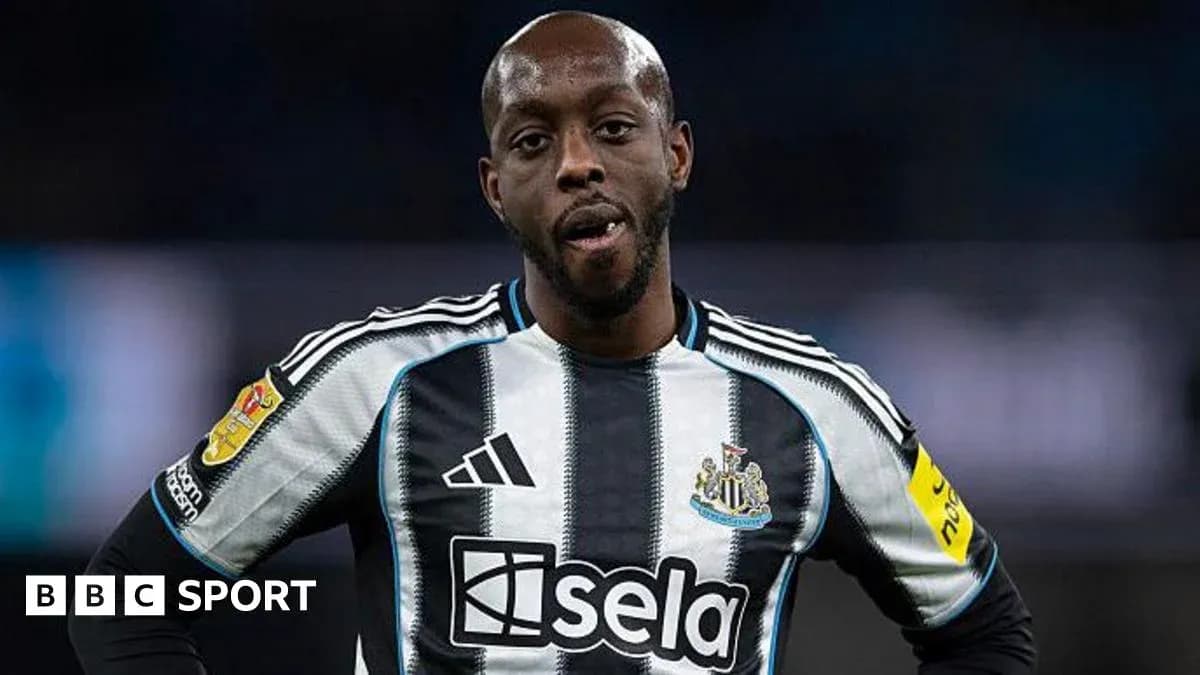
On the other side, Wissa’s contribution barely registered. Thrown on after his friend’s second goal, he did not touch the ball. Not once.
Nick Woltemade, another of Newcastle’s big attacking investments, had only marginally more influence. Introduced in the 84th minute, he was given little time and even less service to alter the narrative.
Between them, Wissa and Woltemade cost Newcastle £124m last summer. Yet on a night when substitutions decided the match, Eddie Howe’s most expensive forwards were spectators in all but name.
Howe’s gamble up front
Howe has been clear he does not pick teams “based on transfer fees”. He doubled down on that stance by explaining why William Osula, not Wissa or Woltemade, started through the middle.
“He’s got the physical attributes, the determination to do really well,” Howe said. “He’s improving week in, week out.”
Osula’s recall was more than a tactical tweak. It was the latest chapter in Newcastle’s ongoing search for a reliable focal point seven months after Alexander Isak forced through a British record £125m move to Liverpool.
Inside the club, replacing Isak like-for-like was deemed “impossible”. They knew the hole he would leave. They also lost Callum Wilson, so the plan became clear: spread the load, sign two strikers, reshape the attack.
Woltemade arrived with pedigree and promise, a player who had once had eyes for Bayern Munich. Newcastle had chased others – Joao Pedro, Hugo Ekitike, Benjamin Sesko – and missed. When the £69m deal for Woltemade finally landed, it felt like one that simply had to work.
At first, it looked inspired. Five goals in his first six starts suggested a centre-forward built for the Premier League. His shot conversion rate of 23% remains among the best of any player with at least 30 attempts this season.
Then came the twist.
A striker pushed into midfield
With captain Bruno Guimaraes injured, the “technical” Woltemade started to appear deeper, more often in midfield than on the last line of defence. The coaching staff felt a growing frustration: they wanted more time to refine his game in the final third, not see him drift away from it.
That chance should come as Newcastle’s relentless schedule finally eases. For now, though, Howe’s system keeps asking a different question of him.
Historically, Newcastle under Howe have leaned on a rapid, aggressive striker – someone who can dart in behind and lead the press from the front. Woltemade has been adjusting to a new country, a more physical league, and a more intense style. Newcastle, in turn, must adjust to him. At the moment, that balance is off.
Wissa’s stalled start
Wissa was meant to ease the burden. Premier League-proven, direct, dangerous in the box, he arrived to add punch and depth. The reality has been more complicated.
He pushed to leave Brentford and missed a proper pre-season. Days after joining Newcastle, he suffered a knee injury on international duty with DR Congo. The rhythm was broken before it began.
Even so, he started brightly: two goals in his first two starts hinted at a smooth transition. Since then, only one more. Confidence and continuity have not followed.
Anthony Gordon, a winger by trade, was given an extended run through the middle ahead of Wissa. Then came Osula’s opportunity at Selhurst Park. For a £55m signing, this is not the role Newcastle imagined.
Under Howe, recruitment has generally been a strength. This one, so far, has not followed the pattern. Nor has an overall net spend of more than £100m last summer delivered the expected uplift.
A fractured window, a disjointed XI
The context matters. Newcastle went into that window without a sporting director or a chief executive. They missed out on several first-choice targets. Most of their business was completed after the season had already started, leaving little time to integrate key signings into a settled side.
Howe was heavily involved in that recruitment drive, but the team sheet at Selhurst Park told its own story. Of the five outfield arrivals, only Malick Thiaw started. The rest – Jacob Ramsey, Anthony Elanga, Woltemade, Wissa – watched on from the bench.
Ramsey and Elanga will both be pushing for recalls when Bournemouth visit St James’ Park on Saturday. Woltemade and Wissa will expect more than cameo roles. Yet at Palace, Howe held back. Even when Jefferson Lerma’s header crashed against the crossbar in the second half, a warning siren if ever there was one, he resisted the urge to turn to his bench.
Oliver Glasner did not. The Palace manager sensed the moment, changed the dynamic with his substitutions, and walked away with the points.
Newcastle, still searching for their next true number nine, walked away with a question that grows louder every week: after spending so much to reshape the attack, who will actually be trusted to lead it?