Norris Triumphs in Chaotic Brazilian Grand Prix
Lando Norris mastered the chaos at Interlagos, Mercedes wrapped up a title, and the stewards needed overtime. For a wet, wild Brazilian Grand Prix, that felt about right.
Norris nails it, Verstappen storms through
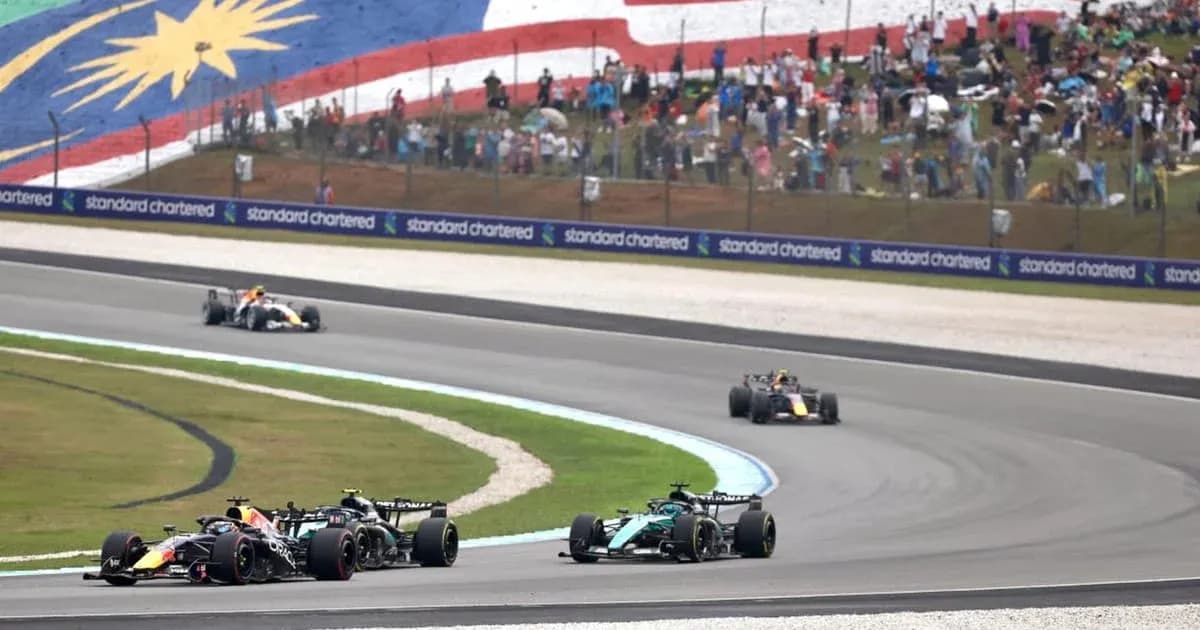
On a day when the weather toyed with everyone, Norris kept his head. Starting from pole for the second straight year at Interlagos, he turned that advantage into another Brazilian Grand Prix victory and McLaren’s first win since August.
The Brit controlled the race when it mattered, managed the changing grip and, crucially, avoided the kind of errors that wrecked so many afternoons behind him.
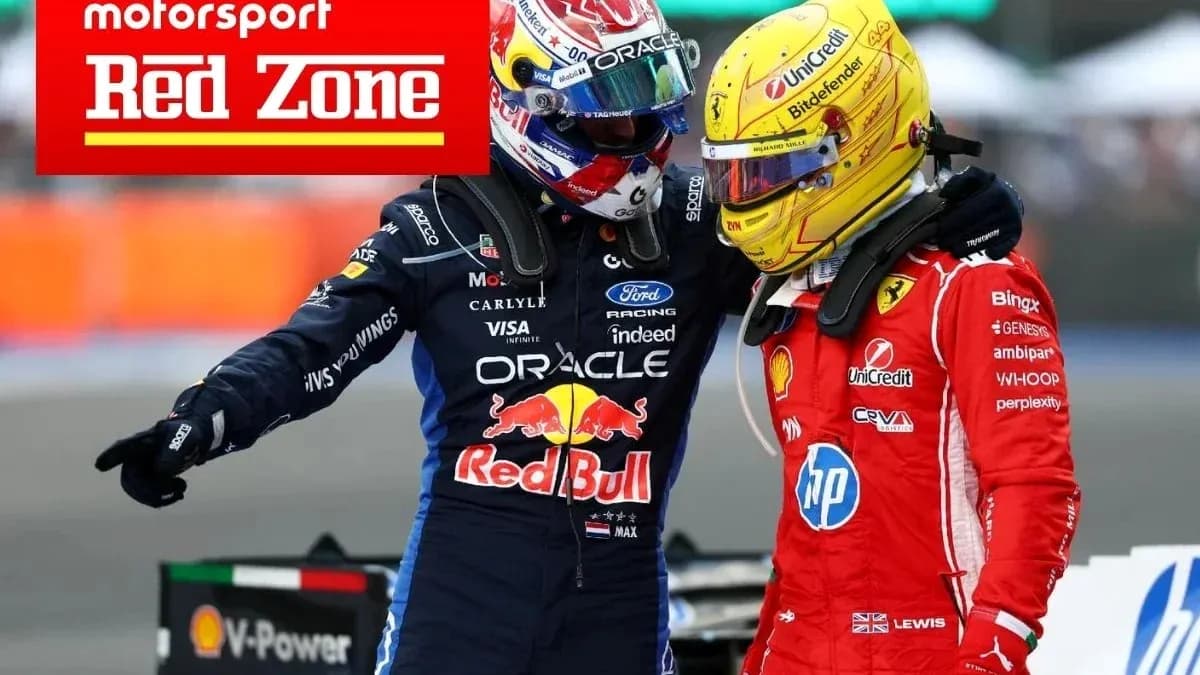
The real charge, though, came from deep in the pack. Max Verstappen launched from 21st on the grid and still found a way to finish second. Red Bull’s simulations never had that as a realistic outcome; team principal Laurent Mekies admitted no model predicts 14 places gained in five laps. Verstappen did exactly that, slicing through the midfield once the initial traffic jam cleared and earning driver of the day in the process.
Isack Hadjar completed the podium in third, giving Red Bull a double finish in the top three despite their world champion starting on the last row.
Mercedes seal the title, Ferrari stumble
Behind the podium, the bigger story belonged to Mercedes. George Russell and Kimi Antonelli brought the cars home in fifth and sixth, enough to clinch the Constructors’ Championship for the first time since 2021.
It wasn’t straightforward. Russell’s race was a rollercoaster, including a spin on the pit-lane exit that he later admitted he “had no idea” how to explain, other than perhaps pushing too hard in search of a shot at victory. Ironically, that moment reset his strategy and left him roughly where he had been before the incident.
Antonelli, meanwhile, was fighting the car as much as the conditions. After switching to slicks, he reported that the car felt like it was steering itself, complaining of a problem on left-handers and insisting over the radio that the issue lay with the suspension rather than cold tyres. Even so, he dragged the car to sixth on the road and kept the position after penalties were applied.
Ferrari, the only team that could delay Mercedes’ title party, never really threatened. Charles Leclerc and Lewis Hamilton crossed the line seventh and ninth, but that wasn’t the final story.
Leclerc was found responsible for a collision with Liam Lawson in their wheel-to-wheel fight for seventh. The stewards handed him a five-second time penalty, dropping him to eighth and shuffling Russell and Antonelli up a place each in the official classification. Hamilton stayed ninth, his own race fading after early promise and heavy tyre struggles.
Penalties, investigations and no change for Hamilton
Interlagos rarely ends without a visit to the stewards’ room, and this year was no different.
Leclerc’s sanction was the most high-profile, but not the only one. Antonelli collected a five-second penalty for an unsafe release into the path of Franco Colapinto in the pit lane. The time addition did not cost him a position, with his margin back to the cars behind large enough to absorb it.
Oliver Bearman suffered the same fate for Haas after another unsafe release, his five seconds added post-race. He remained 17th, his position unchanged.
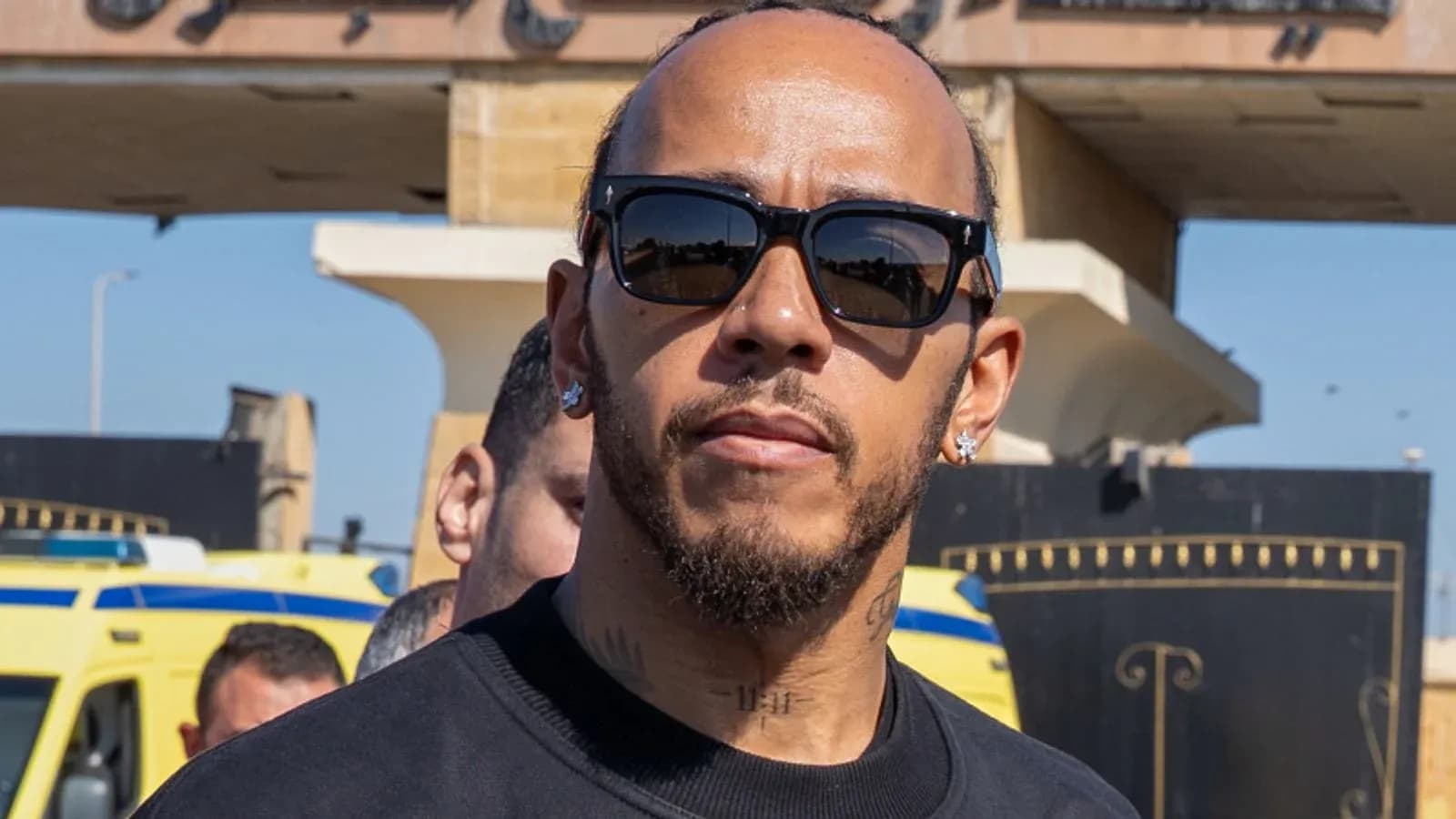
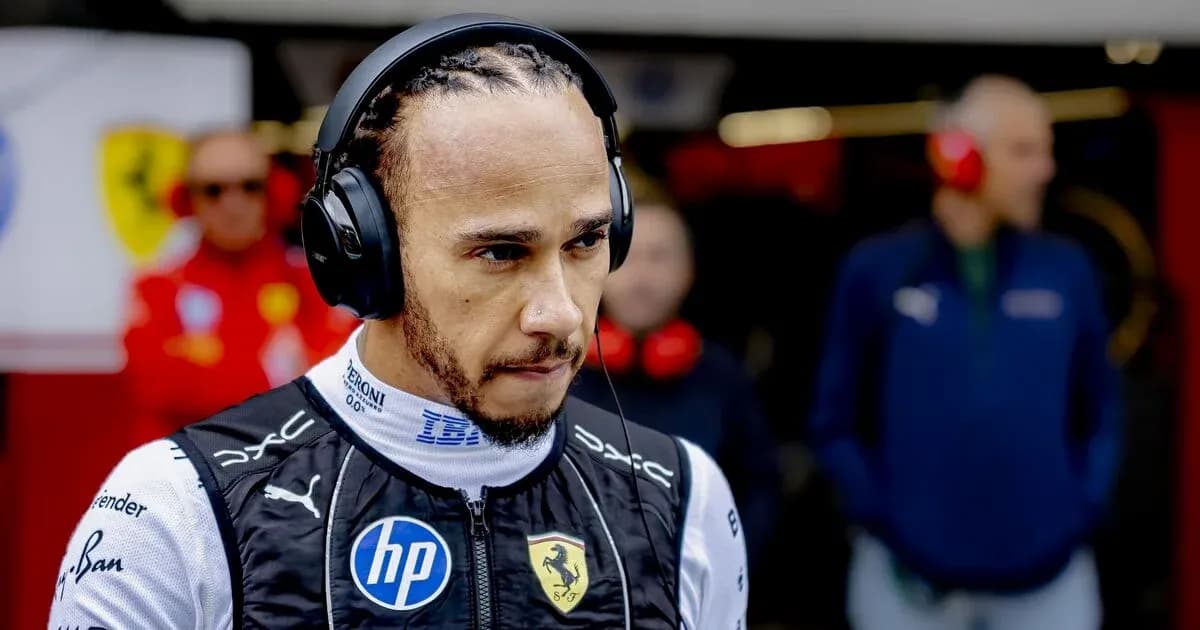
Hamilton, by contrast, escaped punishment. The seven-time world champion was investigated for leaving the track while overtaking Bearman. The stewards judged that he had gained no lasting advantage, having handed the position back, and took no further action.
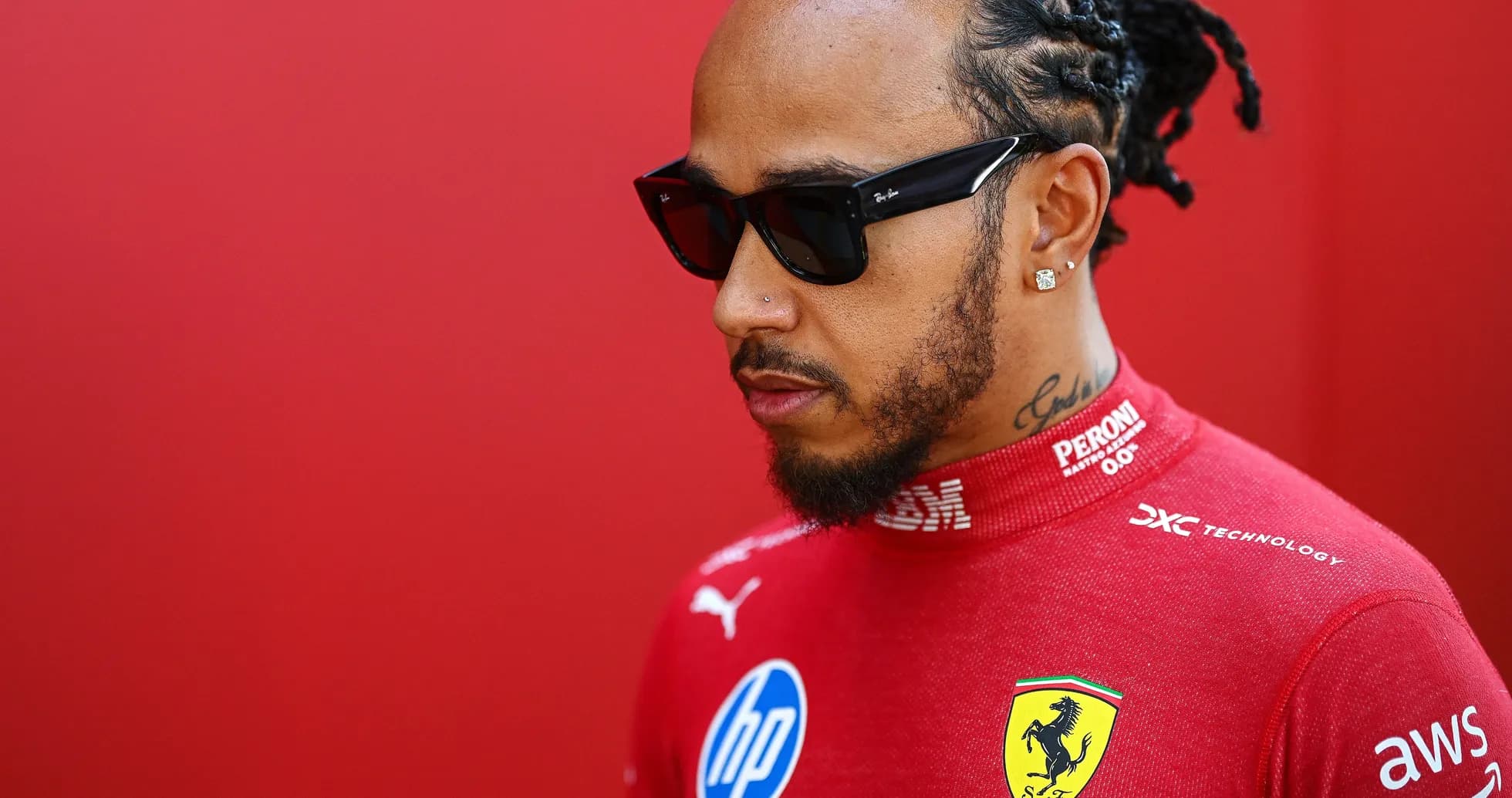
Hamilton later described himself as “devastated” by how the race unravelled, speaking of massive oversteer, tyre woes and a lack of pace that left him powerless to fight at the front. He still found time to salute the São Paulo crowd and congratulate Mercedes on their constructors’ success.
Rookie lessons and raw edges
At the back of the field, Rafael Camara’s debut on home soil turned into a harsh education. The Brazilian finished 20th, two laps down and last of the classified runners, and admitted afterwards that the race had been “tricky” and “not an easy one” as he battled to keep the car on track in ever-changing conditions.
He made mistakes he hadn’t expected, but framed the afternoon as a major learning step, a necessary part of understanding the demands of Formula One.
Up front, McLaren boss Andrea Stella was in no doubt about what separated Norris from the rest. He hailed his driver as a “master” of adaptability, highlighting the way Norris reads imperfect conditions and extracts performance from a car that still isn’t straightforward to drive.
That adaptability extended beyond the track, in a way Norris could never have predicted. On the podium, as he reached for the Champagne, the bottle shattered in his hands. Startled but unhurt, he later joked that the most difficult part of his day had been the celebrations and blamed the cold conditions for the glass giving way.
Power plays off the track
Away from the circuit, the sport’s political and personal storylines rumbled on.
FIA president Mohammed Ben Sulayem is pushing to remove age limits that currently stop over-75s from standing for the presidency, only months after term limits were scrapped. The proposal, set to be discussed at next month’s General Assembly, argues that age rules can block experienced, capable candidates from serving the federation.
Ben Sulayem also reiterated that the Qatar and Abu Dhabi Grands Prix will go ahead as planned, stressing that the FIA is monitoring the Middle East situation closely and will continue to base decisions on security advice and operational realities, not speculation.
At Red Bull, Christian Horner lifted the lid on how he discovered he was being removed, revealing he walked into what he thought was a meeting about marketing structure only to be told he was out. He was informed that the team had become “more Christian Horner Racing than Red Bull Racing,” a charge he rejects, insisting he always worked for the brand and its interests.
The driver market continues to simmer too. Oscar Piastri has now formally split from long-time manager Mark Webber, ending a partnership that began in 2019 and helped power his rise to F1 and his move to McLaren. Rumblings of tension had grown since last year, and the separation confirms a shift in the Australian’s camp at a key stage of his career.
Elsewhere, Ralf Schumacher questioned Hamilton’s status at Ferrari, arguing on German television that the Brit is “not entitled” to the position he is taking within the team because he is “simply not fast enough” compared with Leclerc. It is a pointed assessment that will not go unnoticed in Maranello.
Verstappen’s human error, Russell’s redemption arc
Even Verstappen, so often flawless on Sundays, admitted to an error. He confessed that a poor way of holding the clutch led to his slow reaction off the line, compounding his lowly starting position and leaving him boxed in through the opening corners. Once free of the early traffic, though, he was “flying by cars, almost every corner” as Red Bull’s grip advantage over the midfield told.
Russell, meanwhile, remains a central figure in Mercedes’ story. Toto Wolff was quick to praise him, calling the constructors’ crown “George’s championship today” as much as anyone’s and highlighting the tough patches the Brit has endured this season. Wolff is convinced those struggles will form part of Russell’s development, not his ceiling.
The celebrations began almost as soon as parc fermé emptied. Wolff revealed that both Russell and Hamilton joined him on the overnight flight back to the UK, with at least one “constructor’s drink” on the cards before the team regroups and turns its attention to the final three races.
Mercedes have their title. McLaren have their winner. Red Bull still have Verstappen doing things no simulator can compute.
The question now is simple: with three rounds left, who carries this Brazilian momentum into the winter and who spends the off-season wondering how Interlagos slipped through their fingers?