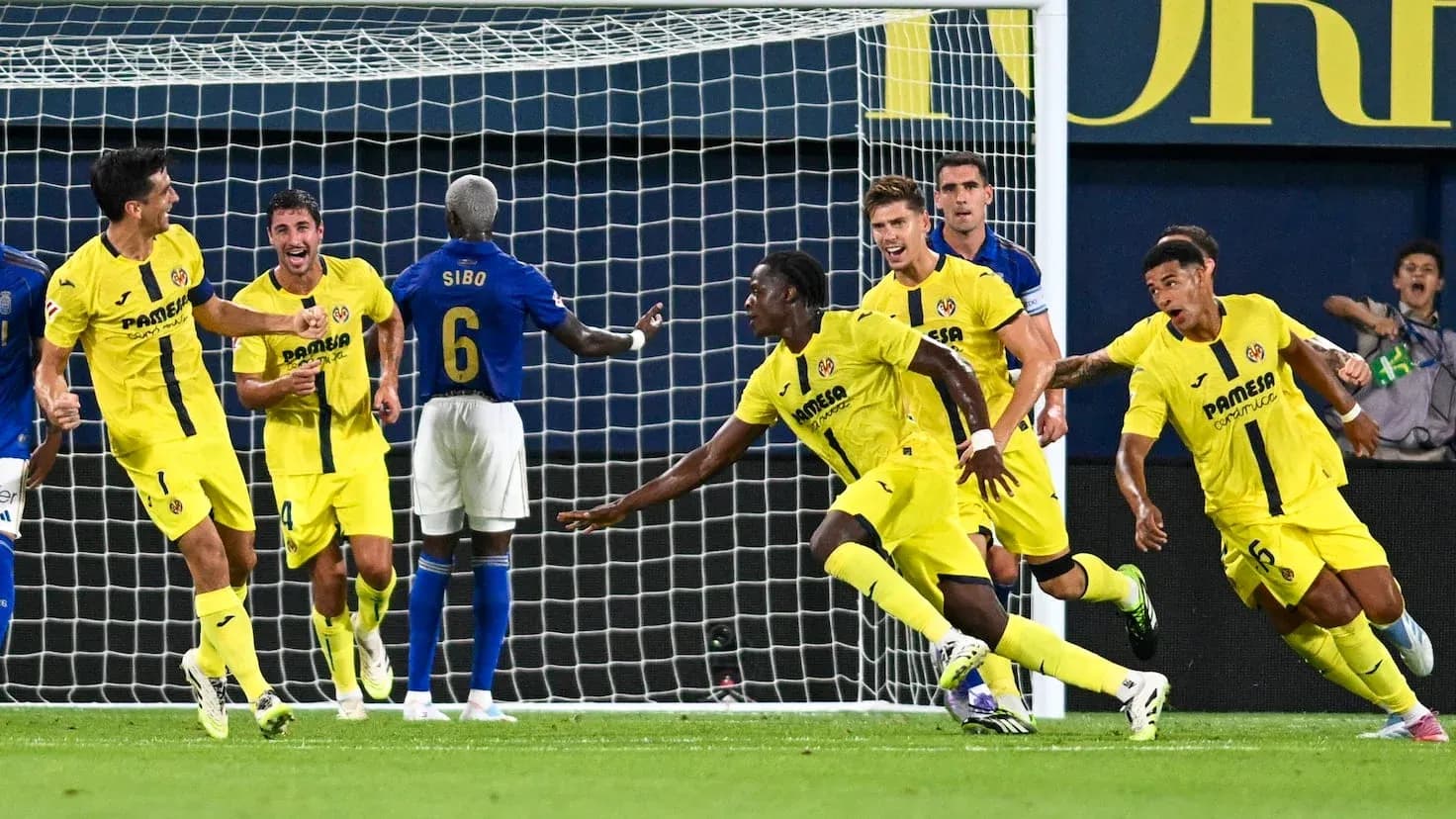
Oviedo vs Villarreal: La Liga Clash of Survival and Champions League Aspirations
Estadio Nuevo Carlos Tartiere stages a clash of contrasting seasons in late April 2026 as bottom‑placed Oviedo host Champions League‑chasing Villarreal in La Liga’s Regular Season round 33. With Oviedo 20th on 27 points and Villarreal sitting 3rd on 61, the stakes are stark: survival on one side, elite European football on the other.
Context and stakes
In the league, Oviedo are entrenched in the relegation zone, four wins from 15 home matches and the worst goal difference in the division at -24 (24 scored, 48 conceded across all phases). Their recent league form, however, offers a flicker of hope: “WWLWD” in the table suggests they have taken 10 points from the last five, one of their best runs of the campaign.
Villarreal arrive in Asturias with a very different pressure. Third place and a “WLWDW” form line underline a side that has largely sustained a top‑four push. Nineteen wins from 31 league games, 56 goals scored and a +20 goal difference mark them out as one of the division’s most dangerous attacking units.
With six rounds to go, Oviedo are fighting to stay in La Liga, while Villarreal are fighting to stay in the Champions League places. That asymmetry will heavily shape the tactical tone of the evening.
Tactical outlook: Oviedo’s survival blueprint
Across all phases, Oviedo’s season has been defined by struggle in front of goal and a need to keep things tight. They have scored just 24 times in 31 league games, and their home record is particularly stark: only 7 goals in 15 matches at the Nuevo Carlos Tartiere, an average of 0.5 per game. They have also failed to score in 8 of those 15 home fixtures.
The data points clearly to a coach who has tried to build from defensive solidity. Oviedo’s most used shape is a 4‑2‑3‑1 (22 appearances), occasionally shifting to 4‑3‑3 or back‑five variants to add protection. At home they have kept 8 clean sheets, an impressive figure for a bottom‑placed side and evidence that, when the structure holds, they can make games very tight.
Expect Oviedo to:
- Sit in a compact mid‑to‑low block, with the double pivot screening central spaces.
- Protect the box and force Villarreal into wide areas.
- Look to attack quickly through transitions rather than sustained possession.
The disciplinary data reinforces the image of a team that defends on the edge. Oviedo have collected a spread of yellow cards throughout games and an unusually high number of reds late on (3 between minutes 76‑90 and 2 between 91‑105). Managing emotions in a high‑pressure relegation battle will be critical.
In attack, much rests on Federico Viñas. The Uruguayan forward is Oviedo’s standout performer in the league, with 9 goals and 1 assist in 27 appearances, and a strong 6.99 average rating. His profile is that of a hard‑working, combative No 9:
- 39 shots, 21 on target: he is their primary shooting outlet.
- 408 duels contested, winning 214: he thrives in physical battles.
- 60 dribble attempts with 40 successes: he can carry the ball and beat his man.
- He has drawn 59 fouls, a huge number that underlines his ability to win free‑kicks and relieve pressure.
Oviedo have been perfect from the penalty spot as a team (2 scored, 0 missed), with Viñas himself converting both of his attempts. If they can generate set‑piece situations around the box through his duels, that might be their best route to an upset.
Team news complicates the picture. N. Fonseca is suspended due to yellow cards, removing a regular piece from the rotation, while L. Dendoncker, A. Fores and L. Ilic are all listed as questionable with injuries, including an Achilles tendon problem for Ilic. If even two of those midfield options are missing, Oviedo’s ability to contest central areas and maintain their 4‑2‑3‑1 structure could be significantly weakened.
Villarreal: attacking edge and structural control
Villarreal’s season numbers are those of a balanced, top‑end side. Across all phases:
- 56 goals scored (1.8 per game).
- 36 conceded (1.2 per game).
- Away from home: 22 scored, 23 conceded in 16 matches (1.4 for, 1.4 against).
Their primary formation is a 4‑4‑2 (30 matches), occasionally shifting to a 4‑3‑3. The 4‑4‑2 gives them:
- Two forwards to pin centre‑backs and threaten the space behind.
- Wide midfielders who can tuck in to create a compact 4‑4‑2 block without the ball.
- Clear patterns for crossing and second‑ball attacks.
Their biggest home win (5‑0) and away win (1‑3) underline the attacking punch they carry when the structure clicks. A six‑match winning streak earlier in the season shows they are capable of sustained high performance.
Two creative and scoring threats stand out from the data: Georges Mikautadze and Alberto Moleiro.
- Mikautadze (9 goals, 5 assists) has been a highly efficient attacker:
- 43 shots, 25 on target: a high proportion of accurate finishing.
- 57 dribble attempts, 27 successful: he can create his own chances.
- 23 key passes and 309 passes at 73% accuracy: he links play as well as finishing it.
- 40 fouls drawn to 11 committed: he invites contact and wins dangerous free‑kicks.
- Moleiro mirrors that influence from midfield:
- 9 goals and 4 assists, a superb return from a midfielder.
- 37 shots (18 on target) and 30 key passes: he both shoots and creates.
- 603 passes at 76% accuracy: a key figure in Villarreal’s ball circulation.
- 52 dribble attempts with 28 successes: he can break lines with the ball.
Between them, Mikautadze and Moleiro have directly contributed to 27 league goals (18 scored, 9 assisted). Their movement between the lines and in half‑spaces is likely to be Villarreal’s main weapon against Oviedo’s double pivot.
Villarreal’s penalty record is also spotless this season (3 scored, 0 missed). While Mikautadze has yet to score from the spot in the league data provided, the collective composure from 12 yards is another small edge in a tight contest.
Defensively, Villarreal are not watertight away from home (23 conceded in 16), but they have kept 8 clean sheets overall and only failed to score in 5 league matches. They are more likely to outscore opponents than grind out 1‑0 wins.
However, the injury list is non‑trivial. P. Cabanes and L. Costa are both out with knee injuries, and J. Foyth is sidelined by an Achilles tendon injury. S. Comesana is suspended with yellow cards. That removes depth and experience, particularly in defensive and midfield zones. Villarreal will still field a strong XI, but their bench options and flexibility may be reduced.
Head‑to‑head snapshot
Recent competitive history between these sides is limited in the data. The only listed meeting is the reverse fixture in August 2025, when Villarreal beat Oviedo 2‑0 at Estadio de la Ceramica, leading 2‑0 at half‑time and seeing the game out. That result underlines the gap between the teams in this campaign: Villarreal were able to assert control early and never really let Oviedo back into it.
With no friendlies included and only that league encounter provided, the head‑to‑head narrative is simple: Villarreal have one win from one in 2025‑26, Oviedo none, and no draws.
Key battles
- Oviedo’s low block vs Villarreal’s creative core: Can Oviedo’s 4‑2‑3‑1 stay compact enough to deny Mikautadze and Moleiro space between the lines? If the distances between defence and midfield stretch, Villarreal’s technical quality should tell.
- Federico Viñas vs Villarreal’s centre‑backs: Viñas’ duelling numbers suggest he will relish the physical contest. If he can pin defenders, win fouls and bring team‑mates into play, Oviedo can relieve pressure and create set‑piece situations.
- Discipline and game state: Oviedo’s record of late red cards is a concern in a match where they will likely be under long spells of pressure. Falling to 10 men would almost certainly be fatal. Villarreal, for their part, must manage their own card profile, which spikes between minutes 61‑90.
The verdict
Data, form and league position all point the same way. Villarreal have the stronger attack, the more stable structure, and the higher ceiling. Their away record is not flawless, but 7 wins from 16 on the road, combined with 56 goals across all phases, makes them clear favourites.
Oviedo’s route to a result lies in making this a low‑event game: leaning on their surprisingly strong home clean‑sheet record, compressing space, trusting Viñas on the break and at set‑plays, and keeping 11 men on the pitch. Given their recent uptick in form, they are capable of making life uncomfortable for Villarreal, especially in front of a home crowd that understands the gravity of the relegation fight.
However, over 90 minutes, Villarreal’s attacking variety and the individual quality of Mikautadze and Moleiro should give them enough chances to break through. Oviedo may keep it tight for long spells, but the balance of probability favours an away win that would push Villarreal closer to Champions League qualification and leave Oviedo still desperately searching for points in their survival battle.