Paris Saint Germain Dominates Liverpool in Champions League Quarter-finals
Paris Saint Germain seized control of their UEFA Champions League Quarter-finals tie with a commanding 2–0 victory over Liverpool at Parc des Princes, delivering a performance of dominance and maturity that belied their mid-table standing in the overall competition rankings. In a clash between a Liverpool side firmly embedded in the title race for Europe’s biggest prize and a Paris Saint Germain team emerging from a mid-table pack of qualifiers, Enrique Luis’s men produced a near-perfect European night.
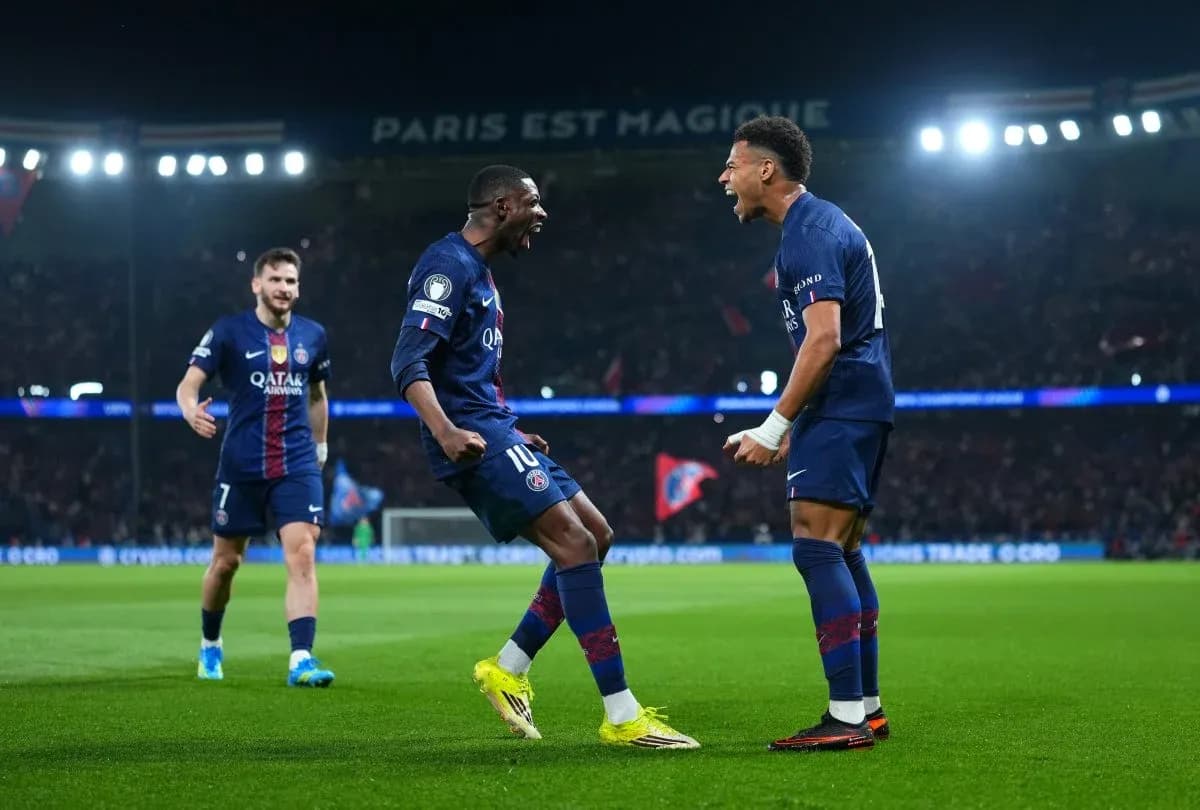
The tone was set early. With just 11 minutes played, Paris Saint Germain capitalised on their fast start and territorial pressure. D. Doue scored, assisted by no one, finishing off a flowing move that had already pinned Liverpool deep. The goal rewarded PSG’s aggressive front-foot approach and immediately forced Arne Slot’s team into a game-state they did not want: chasing the ball in a stadium already roaring.
Liverpool struggled to gain any rhythm in possession. Their frustrations began to surface before the half-hour mark. On 28 minutes, J. Gomez went into the book for tripping, a yellow card that encapsulated Liverpool’s difficulties in coping with PSG’s rotations between the lines. Just three minutes later, A. Mac Allister was also shown a yellow card for another tripping offence, further underlining how often Liverpool were arriving late into duels as Paris Saint Germain circulated the ball with authority.
By half-time, the 1–0 scoreline flattered Liverpool. PSG had monopolised possession and repeatedly probed around the edges of the back three, with Ousmane Dembélé and Khvicha Kvaratskhelia stretching the pitch and Warren Zaïre-Emery and Vitinha dictating the tempo in midfield. Liverpool, by contrast, managed just a single effort off target in the opening 45 minutes and failed to register a shot on goal all night.
The pattern did not change after the interval. Paris Saint Germain continued to suffocate Liverpool with the ball, and the second goal arrived on 65 minutes. K. Kvaratskhelia scored, assisted by J. Neves, steering home after the midfielder’s precise contribution opened up the visiting defence. It was a goal that reflected the underlying numbers: PSG would finish with an expected_goals figure of 2.2, a fair mirror of their attacking production.
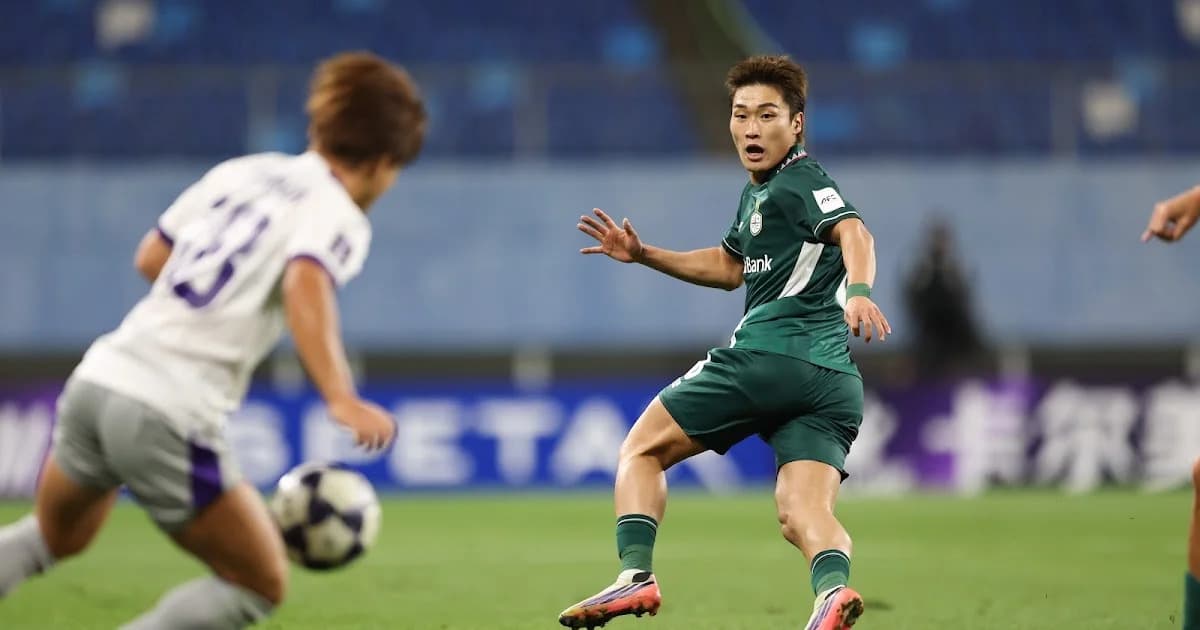
From there, Liverpool needed a response, but instead it was Paris Saint Germain who managed the game with composure. On 78 minutes, Enrique Luis made his first change, reinforcing legs and control in the middle of the park. Lee Kang-In came on for D. Doue, a substitution greeted with warm applause for the opening scorer. Simultaneously, Arne Slot launched a quadruple reshuffle in search of a late turnaround.
- At the same 78-minute mark, A. Robertson came on for M. Kerkez, adding more natural width and crossing threat on the left.
- Moments later, C. Gakpo came on for F. Wirtz to freshen the attack, while A. Isak came on for H. Ekitike, giving Liverpool a more traditional focal point up front.
- To complete the flurry of changes, C. Jones came on for D. Szoboszlai, injecting fresh energy into central midfield.
Yet the pattern of the contest barely shifted. Paris Saint Germain’s structure without the ball remained compact, and Liverpool’s lack of incision was stark. The visitors ended the night without a single shot on goal, generating just 0.18 expected_goals. That impotence in attack was mirrored statistically by Matvey Safonov’s quiet evening: the PSG goalkeeper was not required to make a single save, with Liverpool’s only efforts either off target or blocked. Paris Saint Germain, by contrast, forced Liverpool keeper Giorgi Mamardashvili into four saves, underlining the home side’s sustained threat.
As the clock ticked towards full time, Enrique Luis made another late adjustment. On 88 minutes, L. Hernandez came on for O. Dembele, a move that added defensive solidity on the flank and helped PSG close out the match with minimal fuss.
In stoppage time, Liverpool made one final change. At 90+1 minutes, T. Nyoni came on for J. Frimpong, but the substitution arrived too late to alter the narrative of a tie that had already swung decisively in PSG’s favour.
Statistically, the dominance was comprehensive. Paris Saint Germain finished with 74% possession, 18 total shots, 6 shots on goal and 6 blocked shots, constantly hemming Liverpool in. The English side mustered only 3 total shots, 0 on target and 2 blocked, along with a solitary corner. PSG’s passing superiority was stark as well: 744 total passes at 92% accuracy compared to Liverpool’s 253 at 75%.
From a broader Champions League perspective, this was a statement from a Paris Saint Germain side emerging from a mid-table cluster of qualifiers. Having come into the Quarter-finals with 14 points from 8 matches and a +10 goal difference, they now move to 17 points from 9, with their goals for rising from 21 to 23 and goals against tightening from 11 to 11, improving their goal difference to +12.
Liverpool, previously one of the pace-setters in the title race for the Champions League with 18 points from 8 games and a +12 goal difference, suffer a significant setback. Their record now reads 18 points from 9 matches, with goals for stuck at 20 and goals against increasing from 8 to 10, trimming their goal difference to +10.
As the Quarter-finals tie heads towards its second leg, Paris Saint Germain carry both a two-goal cushion and the psychological edge of having completely nullified one of Europe’s most potent attacks. Liverpool, for all their pedigree in this competition, will need a drastic improvement at Anfield to turn this around.