Pat Cummins Addresses Sandpapergate Controversy at Press Conference
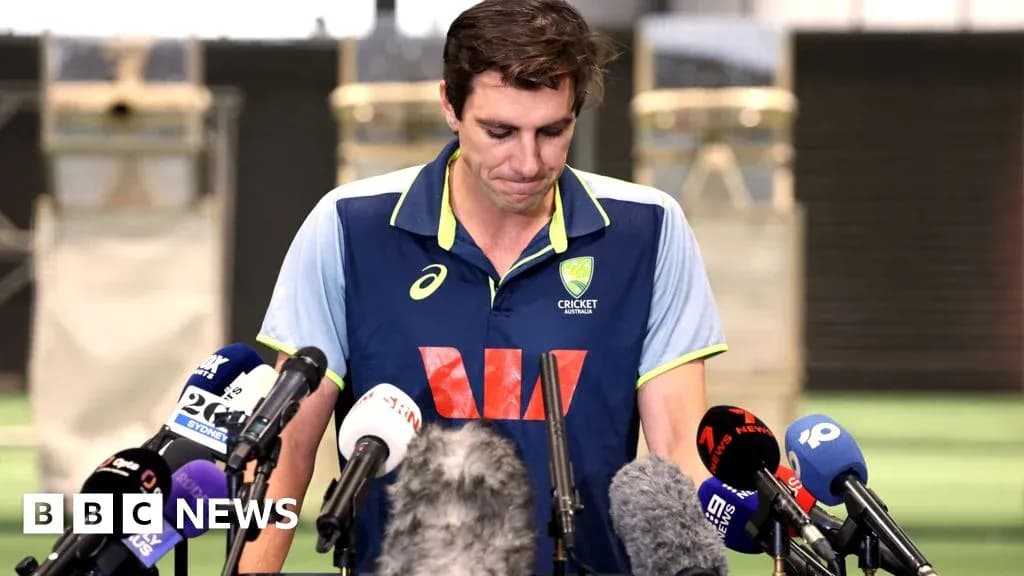
Pat Cummins stood under the strip lights at Cricket Central, boxed in by cameras, microphones and eight years of unfinished business.
Outside, the first ball of a Sheffield Shield match thudded into a keeper’s gloves. Inside, Australia’s Test captain tried to bowl a line straight enough to finally escape the country’s most infamous cricket scandal.
“I don’t want to talk about this again after today,” he said. “Even if it takes all day... I’ll stay here until we have no more questions.”
He almost needed to.
Old wounds, new spark
Sandpapergate was supposed to be done. Three bans handed down. Tears at press conferences. A national reckoning over how far Australia’s cricketers would go to win. A line in the sand, literally and figuratively.
Then Usman Khawaja picked up a pen.
In his new memoir, Cummins’ friend and former teammate alleges the entire Australian team knew about the plan to use sandpaper on the ball during the third Test against South Africa in Cape Town in 2018. Not just Cameron Bancroft, not just David Warner, not just Steve Smith.
“I said: ‘Take this as a team. We did this as a team. We knew what was going on, and we have to take it as a team’,” Khawaja writes of the aftermath, when Bancroft was caught with the sandpaper.
Those words have detonated like a delayed grenade. A scandal many thought had been processed, punished and parked is suddenly alive again, dragging back into the dock players who rebuilt careers and reputations in the years since.
Warner, who copped the harshest sanction of the trio, has backed Khawaja’s account, saying the book tells the truth and accusing Cummins’ public rebuttal of throwing him “under the bus”. Smith, the captain at the time, is overseas and silent. Bancroft, who has previously hinted that the bowlers knew more than they let on, is quiet too.
The result is a vacuum filled by accusation, implication and a fresh round of public inquest.
A captain on the stand
So Cummins fronted up. For more than an hour, he fielded variations of the same question: what did he know, and when?
Over a marathon press conference that one reporter suggested was the longest in Australian sporting history, the 31‑year‑old chose his words carefully, pausing often, checking that each answer met the question head on. He rejected Khawaja’s “vague” claims, bristled at being dragged back into a scandal he insists he had no part in, and made no attempt to hide the personal sting.
Friends, he said, are not “casual with each other's lives and reputations... That's something I've been grappling with the last couple of days.”
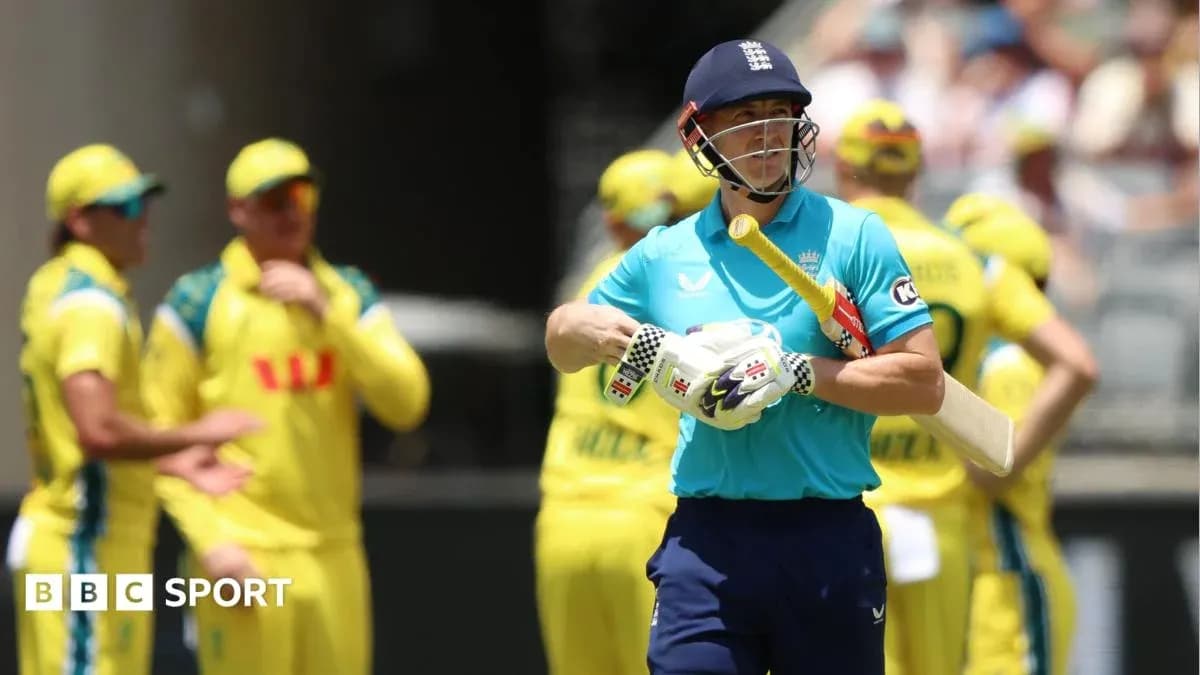
He gestured towards the Shield game outside, and to Friday’s one‑day international against England in Perth, from which he and other senior players are being rested. That, he argued, is where the conversation should be.
“It’s been eight years... Hopefully today we put a line through it and we’re done and we can all move on to much more fun topics, like actual cricket.”
Hope, though, looks optimistic.
Fans caught in the crossfire
Among supporters, the mood is weary rather than bloodthirsty.
Josh, 28, summed up a common sentiment: “It’s just a bit crazy that it’s all blown up again... I think it is a bit ridiculous, after eight years.”
A woman watching New South Wales take on South Australia admitted she was “a bit bored of it”. Younger fan James, 21, went further: “It’s a bit of a stitch up. Every country has done it... if it wasn’t us, it was probably going to be someone else.”
There’s frustration that Khawaja has chosen this moment—on the eve of a home summer and a pivotal year for Australian cricket—to reopen the wounds. There’s also the counterpoint: when, exactly, would have been a “good” time for a retired player to allege a wider conspiracy?
Beneath the timing debate sits a deeper anxiety: what this latest flare‑up does to a men’s side that already looked fragile during a limp Test return to South Africa last month, their first since the scandal.
A nation of ‘good sports’ under the microscope
The anger and fatigue aren’t just about cricket. They cut into how Australia likes to see itself.
Prof David Rowe of the University of Western Sydney describes the saga as uniquely corrosive in a country that prides itself on being “a nation of good sports”.
“The idea of being a good sport is two things. One is being good at sport, so you actually win. But the other side is that you do it honourably and fairly,” he said.
“Many Australians would see themselves as above all that. That is: cheating is what other teams get up to... not the nation of good sports.”
Sandpapergate smashed that illusion. Rowe calls it a “nasty shock” that brought “collective shame” still felt today. For many, the shame isn’t only in what happened in Cape Town, but in the lingering suspicion that not everything was brought into the light.
Which is why Khawaja’s claims have reignited calls for Cricket Australia to reopen its investigation. Former players, ex‑coaches, some with their own reputations on the line, have all chimed in.
Chief executive Todd Greenberg has already ruled out going back over old ground. Rowe warns that stance may prove combustible.
“One of the best ways to fuel conspiracy theories and keep sandpapergate going is to essentially say ‘there’s no more to see here’—especially when that comes from the authorities,” he said.
Asked about a fresh probe, Cummins pushed the decision back to the governing body. His job, he implied, is to captain, not prosecute.
No clean exit
The problem for Cummins, for Khawaja, for everyone dragged into this storm, is that the story now has two firm versions and very little space between them.
On one side, a current captain who insists he had no knowledge of a plot limited to three players. On the other, a recently retired teammate, backed by Warner, saying the dressing room knew.
“It’s going to be hard to move on, given that there’s two sides of the story and it doesn’t look like either side is going to back down,” James said at the Shield match.
Outside, the cricket carried on. A cover drive here, a leave outside off there, polite applause drifting faintly through the doors of Cricket Central.
Inside, Pat Cummins tried to shut the book on sandpapergate once and for all.
The question now is whether Australian cricket—and a nation that still wants to believe it plays hard but fair—will let him.