PSG’s Champions League Edge: Advantage or Dilemma?
Right after the 2026 Champions League final, Mikel Arteta was consumed by one question: how can Arsenal beat Paris Saint-Germain? Winning the Premier League again didn’t overshadow this puzzle. The focus usually rests on whether PSG is the best team in Europe, which they likely are, but the real question might be whether the current format gives an unintended advantage to dominant clubs from less competitive leagues like Ligue 1 or the Bundesliga.
Group Stage and Its Limited Impact
Over the last two seasons, PSG finished 15th and 11th in the group phase, forcing them into a tougher play-off round before advancing. They seem almost indifferent to early matches, gearing up only when it really counts. This isn’t about criticizing the group stage as many already lament its loss of excitement or call it a disguised super league. The prize money involved has created clear tiers among clubs, which explains the lack of surprise qualifiers.
Still, the group stage holds some charm. Newcomers like Como, LASK, Viking, and Sabah provide fresh stories. Fans get to see teams like Manchester United return to Old Trafford’s magic, while legends like Jose Mourinho aim for milestones like his third Champions League title after 16 years.
The Effect of Fixture Density and Strategy
The Champions League now feels almost like a domestic league with its schedule, sometimes referred to as "wallpaper football"—always present but not always captivating. The early phase mainly shapes the knockout bracket, with many top clubs choosing to rest key players, preserving strength for later rounds. English teams dominate the upper part of the group tables, and none have been eliminated early recently. Even struggling sides like Tottenham finished fourth last season, though they weren’t really among Europe’s best teams, as Atletico Madrid proved by knocking them out in the last 16.
The Premier League’s competitiveness and depth make it tougher for English clubs to excel simultaneously in domestic and European competitions. This new group stage format ironically works as a counterbalance to the immense financial and footballing power held by Premier League clubs.
Football Politics and Financial Power Plays
Many major European clubs try to challenge English dominance off the pitch too. The failed Super League was one such attempt. The expanded Champions League now competes with the Premier League for broadcasting rights and player attention, increasing fixture congestion and pressure on squads.
Interestingly, leagues like LaLiga still lure star players with higher salaries and opportunities to prolong top-level careers. For example, Rodri’s move to Barcelona was influenced by these factors, alongside his desire to return to Spain. His signing could be pivotal this season, especially as Arsenal struggles to attract similar stars. Barcelona have not felt like true Champions League contenders since 2019, but with young talents like Lamine Yamal and coach Hansi Flick, they’ve regained respectability. Rodri offers a versatile midfield presence that might transform their fortunes.
The Challenge of Overcoming PSG
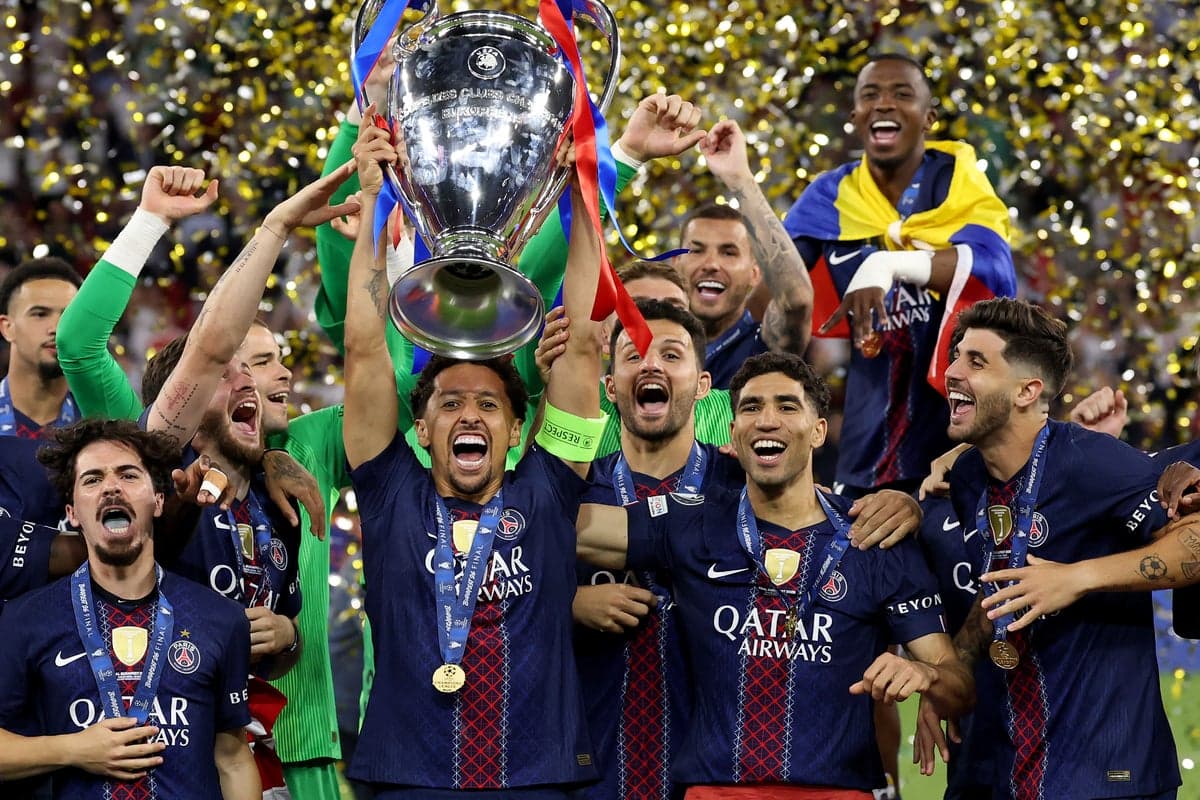
With PSG aiming for a third consecutive Champions League title, the rest must figure out ways to surpass them. Despite a slow start this season, PSG’s experience in finishing strong remains unmatched. That’s why managers like Arteta emphasize raising their teams’ levels to meet the challenge.