PSG Retains UEFA Champions League Title Amidst Streaming Controversy
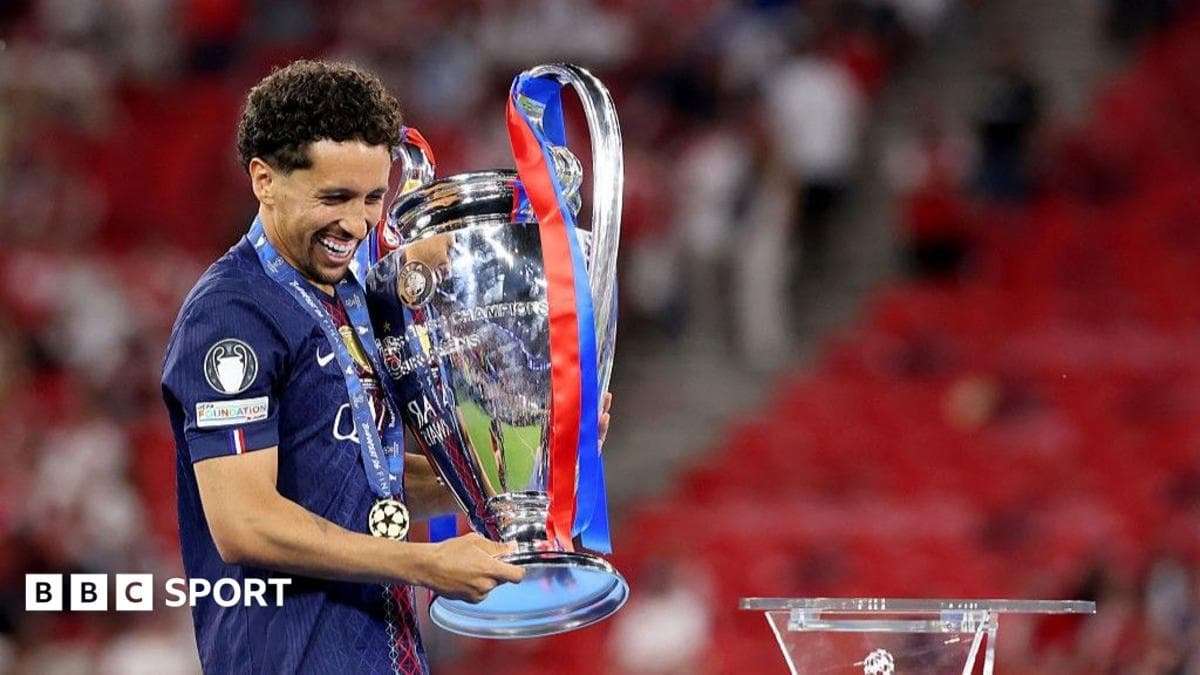
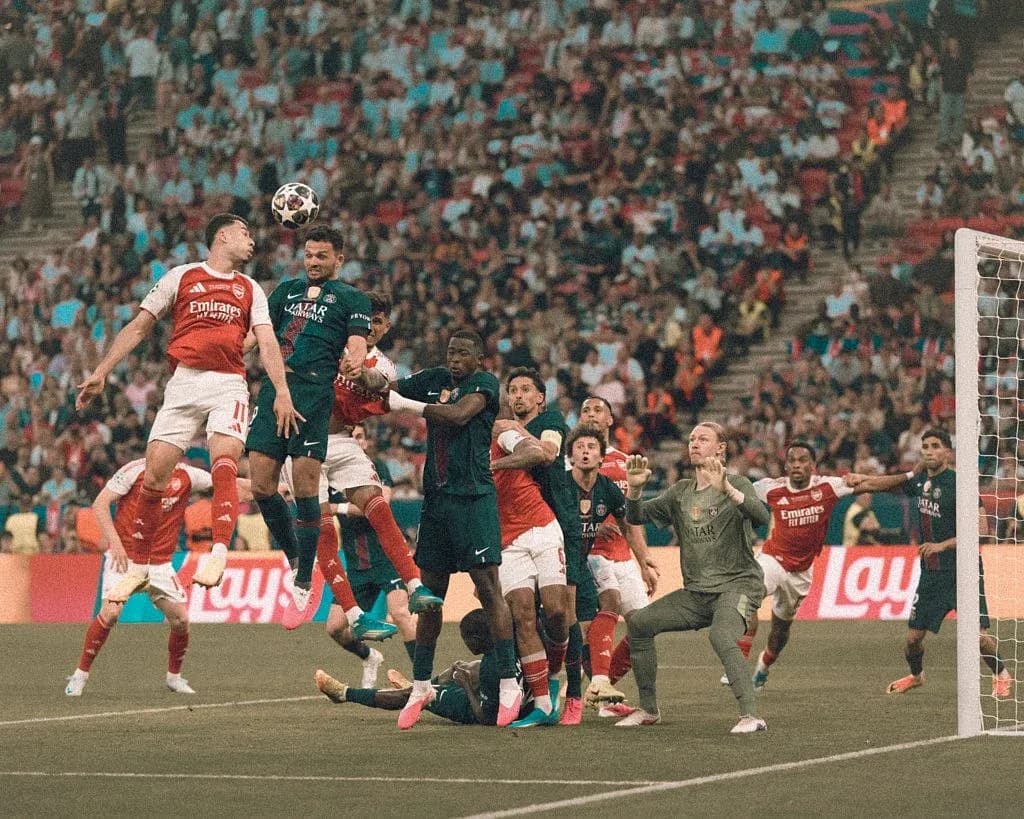
On a warm night in Budapest, PSG clung to their UEFA Champions League crown from 12 yards out. A 1-1 draw with Arsenal at Puskás Aréna on 30 May 2026 gave way to a 4-3 win on penalties, another European title sealed in a blur of spot-kicks, celebrations and despair.
But the most revealing story of the final didn’t unfold on the pitch. It played out on laptops, phones and illicit feeds across the UK.
A final watched in secret
Across the UK, France, Hungary and the United States, the game drew a combined audience of 33.7 million viewers. A huge number. Yet it was the source of that audience that jolted the industry.
In the UK alone, an estimated 16.2 million people watched via illegal streams. That single figure outstripped the total number of viewers who tuned in through official channels across all four markets combined (12.9 million). Put simply: piracy, not broadcasters, delivered the biggest audience of the night.
The final wasn’t available free-to-air in the UK. Faced with the choice of paying up or missing out, millions simply went elsewhere. They found links, joined group chats, shared streams and turned the biggest club game in European football into a mass underground broadcast.
The UK produced the largest overall audience at 19.4 million. Of those, 16.2 million came through illegal streams, 3.0 million watched on TNT Sports and HBO Max, and around 200,000 were estimated to have followed it out of home. France, with the game on M6 and Canal+, delivered 9.5 million viewers. The US added 4.8 million across CBS, Univision and Paramount+.
Screens were only part of the picture. YouGov Profiles data suggests just under 500,000 Arsenal and PSG supporters packed into bars and pubs across London and Paris. Another 61,035 watched it live inside Puskás Aréna, close enough to feel the thud of every tackle and the sharp silence before each penalty.
Arsenal lose – but Emirates win
On the scoreboard, PSG edged it. In the data, Arsenal’s shirt sponsor did.
YouGov Sport’s Brand Exposure analysis shows Emirates, on the front of Arsenal’s shirts, enjoyed 2 hours and 52 minutes of on-screen time, with a Brand Impact Score (BIS) of 3.54. Qatar Airways, on PSG’s kit, managed 1 hour and 54 minutes and a BIS of 3.25.
That gap tells its own story. Arsenal’s players occupied the broadcast more often during key moments: attacking moves, desperate blocks, close-ups after chances missed or saved, and the endless replays that follow drama in a final. Every zoom-in on a crest or a grimace meant more time for Emirates’ logo to sit front and centre.
The detail matters. Emirates’ higher BIS compared with Qatar Airways (3.54 vs 3.22) was driven by a slightly larger logo, stronger on-screen prominence, more frequent “solus” appearances where the brand stood alone, and less clutter from competing sponsors around it. Longer average exposure per appearance only sharpened the impact.
For sponsors, this is the uncomfortable truth: you can lose the trophy and still win the night. Arsenal left Budapest empty-handed, but their front-of-shirt partner walked away with more valuable exposure than the champions’ airline.
Forty-two billion impressions from one game
The final didn’t stop when the last penalty was taken. It just changed platform.
Across 48 frantic hours from 30–31 May, the match generated more than 40,500 social media posts, 13,700 videos and 24,500 online articles. Those pieces of content carried an estimated 42 billion potential impressions, 1 billion video views and 10 billion in potential readership.
PSG owned the digital conversation. The French champions drove 8.6 billion impressions and 418.6 million video views across their official social media channels. Arsenal, beaten but hardly silent, recorded 3.7 billion impressions and 49.7 million video views.
Output told. PSG pushed out more content, faster, and rode the wave of victory into a far larger overall reach. The trophy lifted in Budapest echoed around timelines worldwide.
Sponsors and the power of fan loyalty
Behind the numbers sits something more emotional: how fans feel about the brands on their shirts.
Using YouGov BrandIndex, Recommendation levels for Emirates among Arsenal supporters in the UK and Qatar Airways among PSG fans in France were compared with those brands’ standing in the general population. In both cases, club supporters were significantly more likely to recommend the sponsor than non-fans, underlining the depth of the club-brand bond.
Emirates even recorded an uplift in Recommendation among Arsenal supporters around the time of the final. Context matters here – brand perception can shift for many reasons – but the timing points to the effect of a high-profile night on the biggest stage. Qatar Airways, for its part, maintained consistently strong Recommendation levels among PSG supporters across the same period.
These shifts are not just nice-to-have sentiment. Through YouGov Sport’s BIS-X framework, exposure is married with fan perception and brand health metrics to show how positive feeling can multiply the value of every second on screen. For Emirates, the combination of superior visibility in the broadcast and a stronger surge in fan advocacy suggests the partnership drew more than just eyeballs. It drew backing.
Beyond who watched
The 2026 UEFA Champions League final laid bare how complex modern sponsorship has become.
Audience figures still matter, but they no longer tell the full story. Brand Impact Scores, Net Sponsorship Value, social buzz and fan recommendation now sit alongside raw viewing data, each piece helping to explain how a logo on a shirt turns into real commercial value.
In Budapest, PSG kept their title. Arsenal’s sponsor stole the spotlight. And 16.2 million people in one country alone chose an illegal stream over an official broadcast.
For clubs, brands and rights holders, the question now is not just how many people are watching. It’s where they are, how they’re watching – and which badge they remember when the screen finally goes dark.