Richard Hughes Leaves Liverpool for Al Hilal: A New Chapter
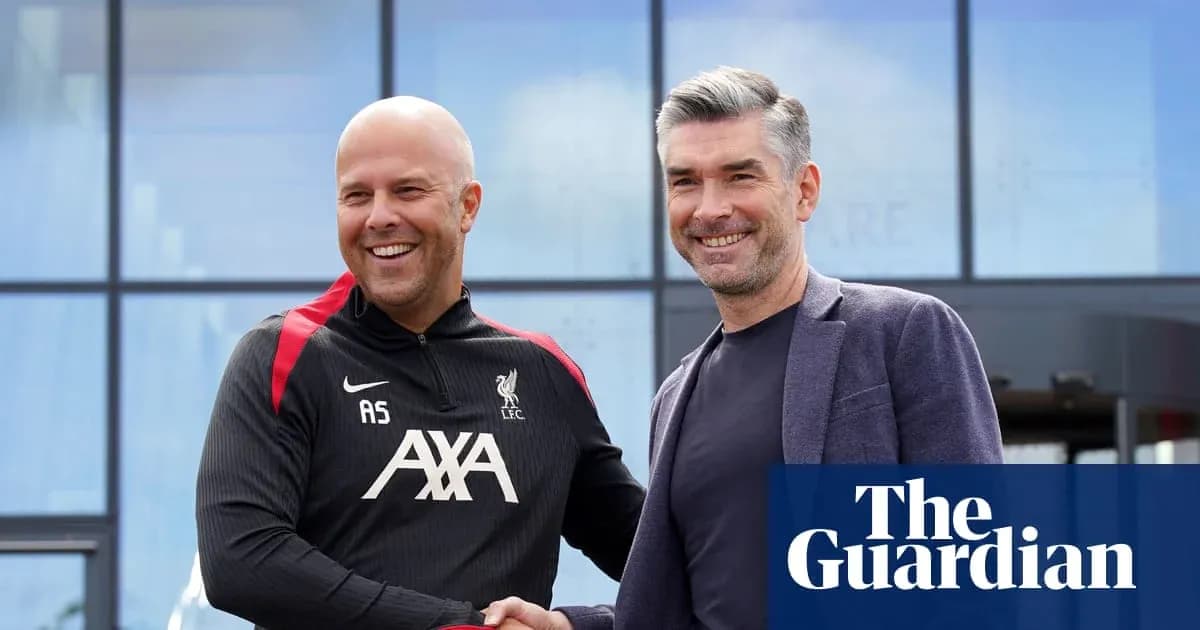
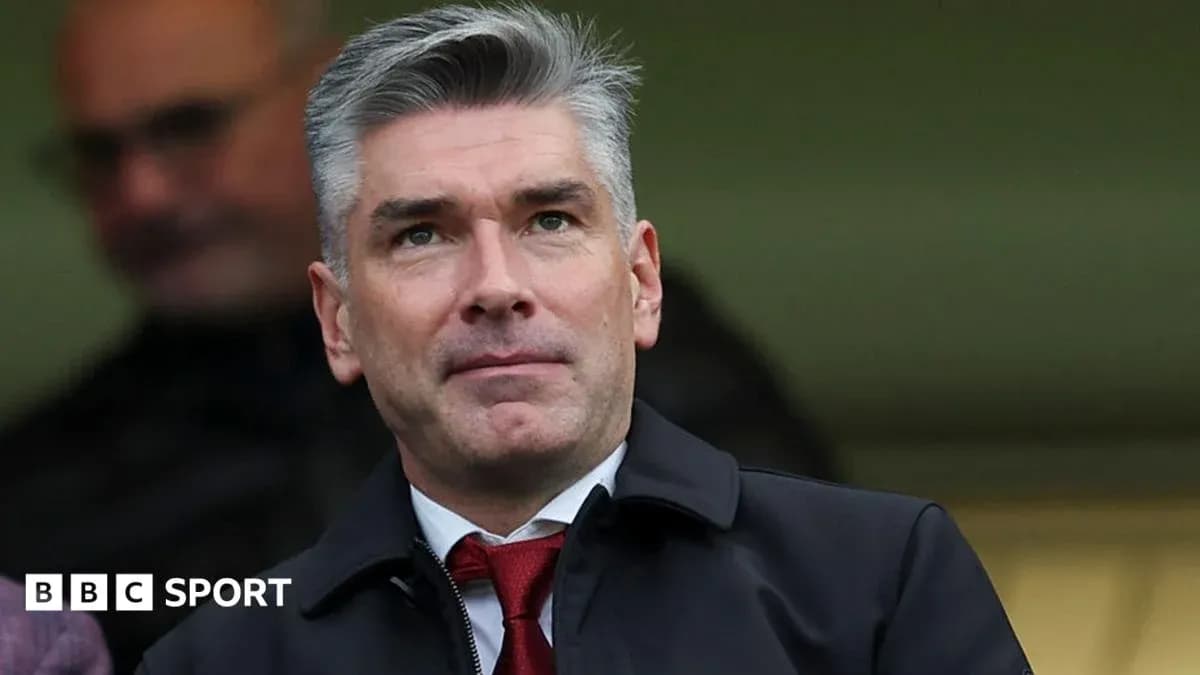
Liverpool’s period of upheaval has taken another sharp turn. Sporting director Richard Hughes has stepped down and is set to take up a role with Saudi Pro League giants Al Hilal, ending a brief but eventful stay at Anfield.
Hughes arrived in June 2024 from Bournemouth, tasked with steering Liverpool through the post-Jurgen Klopp era. His contract was due to run until June 2027, but his exit had long been anticipated inside the club, with the direction of the project increasingly under scrutiny after a mixed second season.
What cannot be questioned is the scale of the rebuild he oversaw. Across his first summer, Liverpool spent around £200m, with Bradley Barcola’s arrival from Paris St-Germain the headline attacking addition as the club tried to refresh a title-winning squad on the fly.
“I'll always follow and support the club with great affection, and I wish everyone involved nothing but success for this season and beyond,” Hughes said in a farewell statement released by Liverpool.
At 47, he leaves having left a clear imprint on the club’s recruitment strategy, even if the results on the pitch ultimately shifted the narrative.
Hughes stepped into the job in the immediate aftermath of Klopp’s departure, one of the most daunting succession challenges in modern football. He played a central role in identifying and appointing Arne Slot as the German’s successor, a bold call that initially looked inspired. Slot delivered Liverpool’s 20th Premier League title in his first season, validating the club’s faith in the new structure and in Hughes’ judgment.
Backed heavily again, Hughes sanctioned a £125m club-record move for Alexander Isak and a £116m deal for Florian Wirtz, marquee signings meant to extend Liverpool’s domestic dominance and reassert their status in Europe. The spending underlined the power and trust he held within Fenway Sports Group’s football operation.
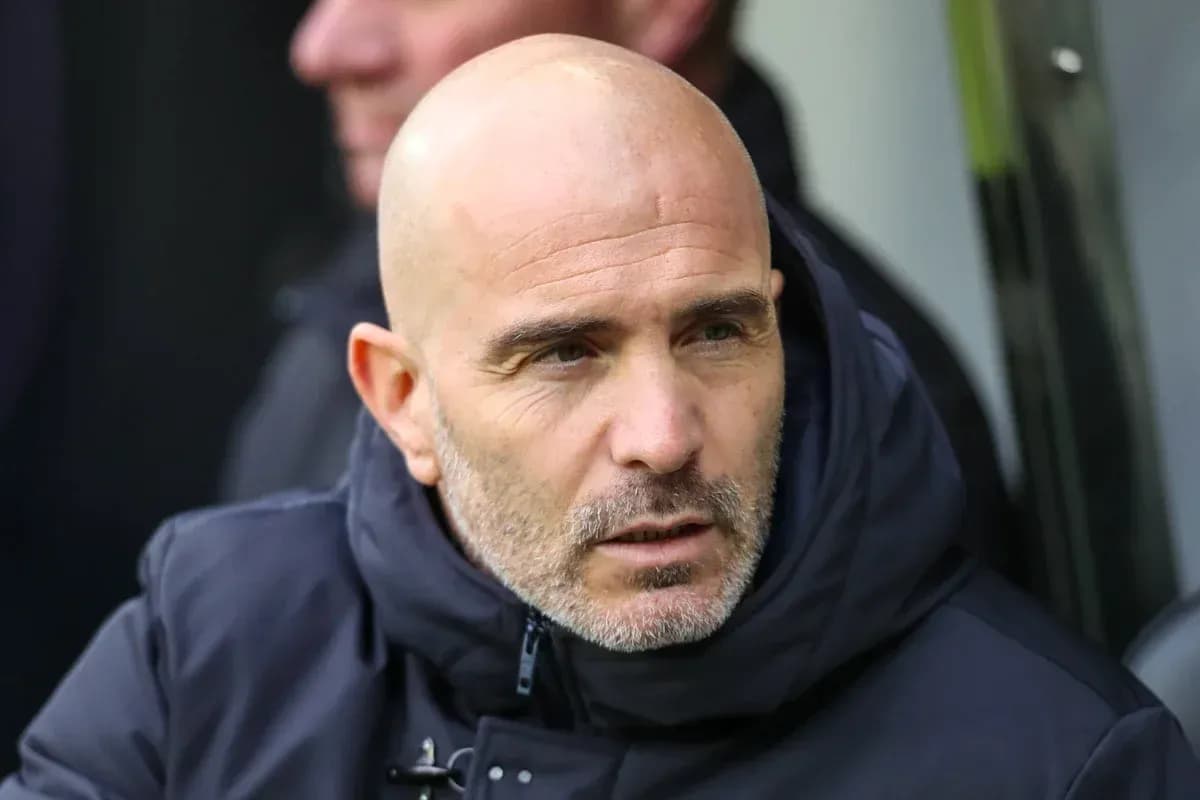
But the momentum did not last. Slot’s second season unravelled, Liverpool slipped to fifth in the Premier League, and the mood around Anfield turned. The Dutchman departed at the end of the campaign, his replacement another familiar figure to Hughes: Andoni Iraola, the coach he had previously worked with at Bournemouth.
The appointment felt like a return to type for Hughes, back to the kind of project-building partnership that had defined his rise on the south coast. He would not stay long enough to see how that dynamic played out on Merseyside.
Mike Gordon, president of Fenway Sports Group, praised Hughes’ impact during a volatile phase for the club.
“Richard joined us at the start of a period of change, embracing that responsibility by leading our football operations department and overseeing recruitment while also providing valuable support to our coaching staff,” Gordon said. “The results we achieved in these areas during this period are testament to this contribution. Nevertheless, we respect Richard's life choices and wish him and his family well in their next venture.”
For Liverpool, the departure opens up a crucial vacancy at the top of their football structure just as Iraola begins to shape a new era. For Hughes, the move to Al Hilal signals another step in the accelerating shift of elite football power and expertise towards Saudi Arabia.
The question now is not what he did at Anfield. It is how Liverpool navigate yet another reset, and how quickly they can find the next architect of their future.