Rodri's Transfer Saga: Barcelona, Real Madrid, and Manchester City's Battle
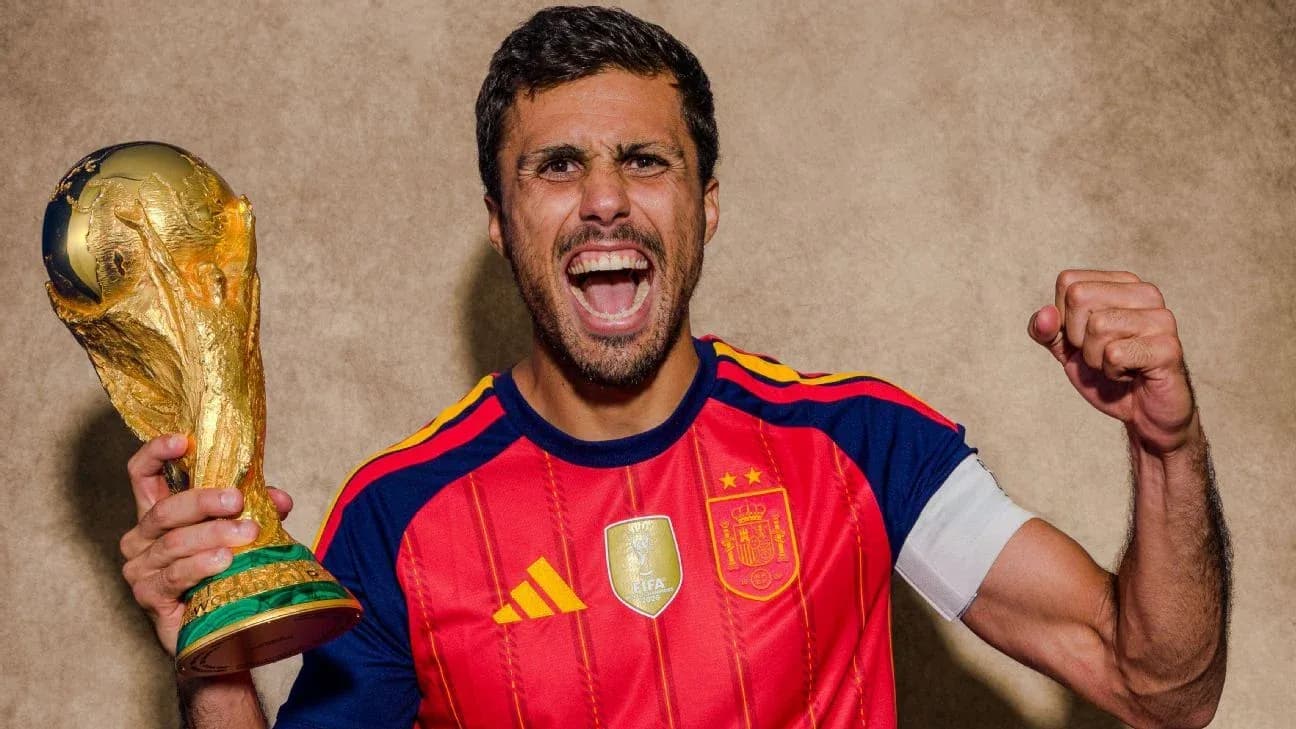
Rodri’s World Cup coronation has done more than gild his already heavy medal collection. It has detonated the summer’s most political transfer battle, dragging Barcelona, Real Madrid and Manchester City into a three-way struggle over the best holding midfielder on the planet.
Spain’s captain has just led his country past Lionel Messi’s Argentina in a World Cup final, added that to a European Championship, and walked away with the Golden Ball. He already owns four Premier League titles, a Champions League-winning goal and a Ballon d’Or. Now, with one year left on his contract at City and his status as a national hero sealed, the question is no longer whether he returns to LaLiga, but where he lands – and when City decide they have to let him go.
Barcelona: the Busquets heir finally within reach
For years, Barcelona have treated Rodri as a fantasy signing. The perfect successor to Sergio Busquets, but filed mentally under “impossible.”
This summer didn’t start with his name at the top of their list. Hansi Flick arrived with ideas, Deco with a long to-do sheet, and the squad already loaded with midfielders. Then Frenkie de Jong got injured, the market shifted, and the door that always seemed bolted from the inside creaked open.
The more Barça asked around, the clearer one thing became: a deal for Rodri was no longer unthinkable.
Flick and Deco quickly moved from curiosity to excitement. Here was the metronome who had just dominated a World Cup, who knew LaLiga, who could anchor a young, technical midfield and give it the authority it still lacks on the biggest European nights.
The decisive twist came last week. Barcelona discovered that if Rodri left Manchester, he would prioritise them over Real Madrid. That alone felt like a small earthquake in Catalonia. The assumption had always been that any homecoming would end at the Bernabéu.
But the landscape has changed. Rodri has just won the World Cup alongside eight Barcelona players. He likes Flick’s football. He has listened carefully to the Catalan voices who have passed through Manchester City over the past decade and painted a vivid picture of life at Montjuïc now and at a rebuilt Camp Nou later.
His head, sources say, has turned decisively in Barça’s direction.
Club figures say there is already a loose agreement on personal terms. The player wants it. The staff want it. The board, long constrained by finances, sense a rare chance to land a generational midfielder in his prime.
One obstacle remains: Manchester City.
Barcelona have already seen a first bid rejected, but negotiations continue. The final package could reach €70 million, a huge outlay for a club still wrestling with financial restrictions, yet one they believe is justified for a player who could define the next five years.
Inside the club, confidence is growing. They can imagine a midfield rotation of Rodri, Pedri, Gavi, Marc Bernal, Fermín López and Dani Olmo, with De Jong’s role becoming the next big internal debate once he returns from injury. A centre-back remains on the wish list, but Rodri has been pushed to the front of the queue.
The calculation is simple: two straight LaLiga titles have restored domestic pride. The Champions League drought, stretching back to 2015, still gnaws at the club’s identity. They believe Rodri is the piece that can tilt tight European ties in their favour again.
If they get him, this is not just a signing. It is a statement that Barcelona intend to run Europe’s midfield from the base once more.
Real Madrid: from cool distance to losing the race
Across the country, Real Madrid’s relationship with the Rodri saga has taken a different route – from indifference, to interest, to the realisation they may have let their chance slip.
For months, Madrid sources insisted he was not on the summer agenda. On paper, that sounded odd. Here was the world’s best in his role, born in Madrid, with a year left on his contract and an obvious solution to several of the team’s structural problems.
Inside the club, though, doubts lingered. President Florentino Pérez questioned Rodri’s recent injury record. José Mourinho, back on the Bernabéu bench, preferred a different midfield profile. Renewing Aurélien Tchouaméni’s contract underlined the belief that the answer might already be in-house.
Then Rodri tore through the World Cup. Any concerns over fitness or form evaporated as he controlled games at the highest level.
That forced a rethink. Director general José Ángel Sánchez and chief scout Juni Calafat, key architects of Madrid’s modern recruitment, became open to the idea of bringing him in. Confidence slowly grew. By late July, some inside the club were optimistic. Rodri wanted to return to Spain, and Madrid assumed they would be the natural destination.
There was a catch. City still needed a replacement. No fee was agreed. Madrid had other business to handle: talks for Yan Diomande, the delicate process of renewing Vinícius Júnior’s contract, the usual summer swirl.
Then the silence arrived. Days without progress. Madrid stayed calm. They believed Rodri’s preference would eventually pull him towards the Bernabéu.
It didn’t.
On Wednesday night, the mood changed abruptly. Word filtered through: Barcelona were in. Not tentatively. Seriously. Some inside Madrid began to describe the race as 50-50. Rodri, they were told, was genuinely open to both options.
Within 24 hours, optimism had drained away. Madrid sources believed they were out.
From Rodri’s side, there was a sense that the club’s early doubts – Mourinho’s in particular – had never fully disappeared. Flick, by contrast, had picked up the phone himself and laid out a clear, direct vision for how he would use the midfielder at Barcelona.
Madrid considered one last push. They knew the calibre of player they were about to let slip to their greatest rivals. But the feeling internally was that the timing had gone. Rodri’s mind was set. His camp were unimpressed that Madrid had not moved faster when the opportunity first arose.
Unless the market throws up one more late twist, Rodri will not wear white next season. That leaves Madrid with a decision of their own. Do they pivot to another target – with Bernardo Silva already being talked about as a possible central option alongside Tchouaméni or Federico Valverde – or trust that the current blend can carry them through another year?
The answer will shape not just this season, but how they respond if Rodri walks out at Montjuïc in Barcelona colours.
Manchester City: calm faces, complicated reality
On the surface, Manchester City’s stance could not be clearer. Enzo Maresca has said it plainly: Rodri is central to his plans, and the club want him to stay and sign a new deal.
Behind closed doors, the picture is more nuanced.
City have been aware for years that Rodri would one day want to go back to Spain. It is part of why they moved for Kalvin Phillips in 2022, a succession plan that never truly took hold. The club’s wider policy has also been consistent: they do not like to stand in the way of players who genuinely want to leave.
Now the variables are piling up. Rodri is 30. His recent injuries have raised questions about how long he can maintain his extraordinary level of output. His contract runs out next summer, meaning he could walk away for nothing in 12 months.
From City’s point of view, that is a risk they cannot ignore.
If Barcelona or Real Madrid – should they re-enter the race – put more than €70 million on the table, City are ready to talk. They will not entertain a bargain fee, but they also know that letting him go for free next year would be a brutal piece of business.
The problem is not just the sale. It is the succession.
Tijjani Reijnders’ future is uncertain. Nico González’s situation is also unclear. Elliot Anderson has arrived from Nottingham Forest, a useful addition but not a like-for-like replacement for the man who has been City’s on-pitch brain. Talks continue with Lille over Ayyoub Bouaddi, Morocco’s breakout World Cup star, yet even if he signs, he would be one part of a wider rebuild, not the direct Rodri clone Maresca would lean on from day one.
City are already bracing for a season of transition after a decade under Pep Guardiola. Losing the player who has embodied their control and composure in midfield would turn that into a full-scale reconstruction.
For now, they wait. No acceptable offer has landed. The club are doing their homework on potential targets, running the numbers, weighing the risk of selling now against the prospect of a free departure next summer.
There is a growing feeling around the Etihad that Rodri will eventually go. The destination, though, is not in their hands.
Barcelona have made their move. Real Madrid have stepped back, at least for now. City sit in the middle, knowing that once someone meets their price, they face a brutal choice: cash in on a legend at his peak of influence, or gamble on one last year and watch him walk away for nothing.
For a player who has spent his career dictating tempo, the clock is suddenly ticking loudest on everyone else.