The pressure had been building for days inside the Saudi Arabian Football Federation. The March international break ended not with quiet analysis, but with alarms ringing across Saudi football.
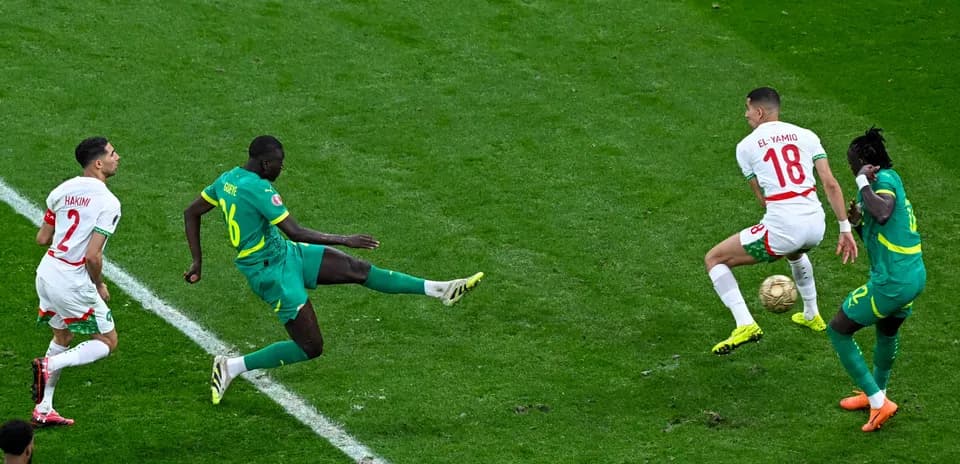
A 4-0 defeat to Egypt. Then a 2-1 loss to Serbia. Two friendlies, one bruising reality check.
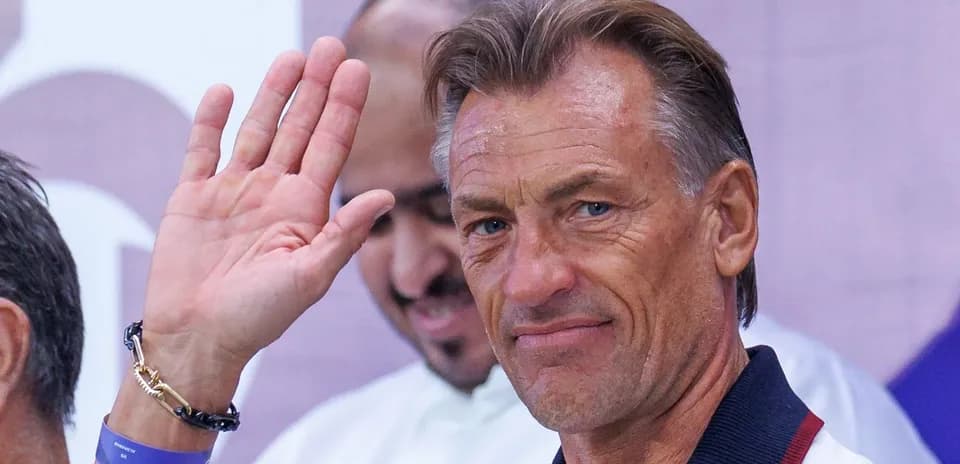
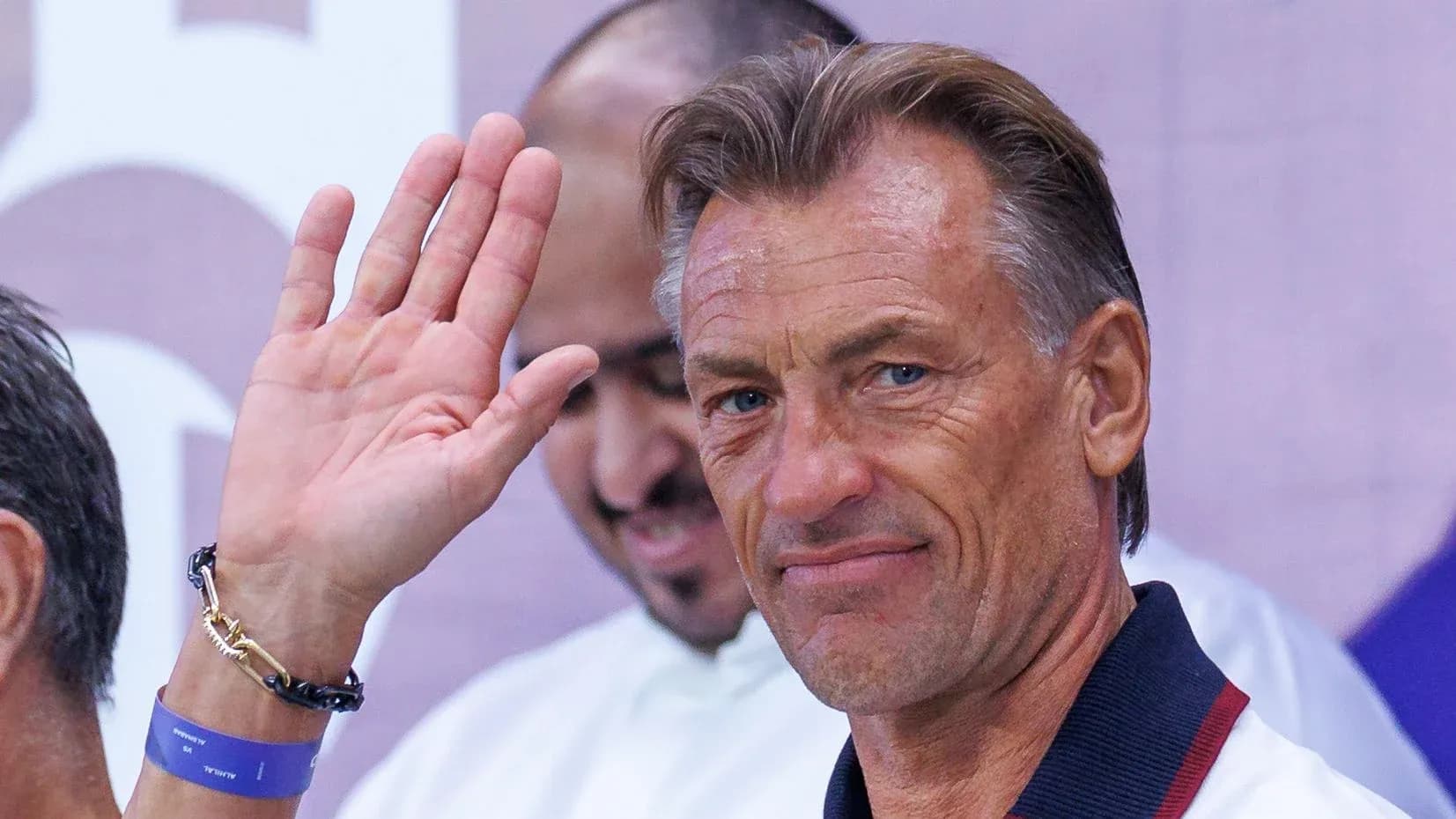
For Hervé Renard, the French coach once hailed as the architect of Saudi Arabia’s famous World Cup win over Argentina, the mood has turned sharply. The glow of Lusail has faded. In its place: scrutiny, noise, and a growing chorus calling for change on the touchline.
Federation stands firm – for now
Despite the public anger, the message from the Federation has been consistent. Renard is not, at this stage, on the verge of the sack.
Officials have reiterated more than once that there is no intention to dismiss him before the 2026 World Cup finals, where Saudi Arabia will line up in the United States, Canada and Mexico. The plan, at least on paper, remains clear: Renard leads the Green Falcons into the tournament.
But plans can shift under pressure, and the past week has been all about evaluation.
According to Saudi newspaper Al-Sharq Al-Awsat, the technical leadership within the Federation is currently conducting a detailed review of Renard’s tenure. This is not a quick, box-ticking exercise. It is described as a comprehensive assessment of the entire previous phase, and it is still ongoing, with no fixed deadline publicly set for its conclusion.
Inside those meetings, one number has emerged: 30%.
Al-Sharq Al-Awsat reports that the likelihood of Renard leaving his post is being viewed at around 30%. Not imminent. Not impossible. A live possibility, but not the preferred outcome.
There is, the paper adds, a clear inclination within the Federation to wait, to watch, and to avoid a rushed decision. The calendar is unforgiving, the World Cup is approaching fast, and ripping up the project now carries its own risks.
A brutal group, a narrow margin
The context only sharpens the debate.
Saudi Arabia have landed in Group H at the 2026 World Cup, alongside Spain, Uruguay and Cape Verde. On paper, it is a group that demands clarity of thought and stability of leadership, yet also one that offers little room for error.
The format adds a twist. The top two teams in each of the 12 groups qualify directly, joined by the eight best third-placed sides. It means that even a third-place finish could be enough to reach the knockout stages, but it also means every point, every goal, will matter.
For Renard, that group is both opportunity and trial. Spain bring technical superiority and tournament experience. Uruguay arrive with their usual steel and fire. Cape Verde, so often underestimated, have grown into one of Africa’s most awkward opponents.
If the March friendlies raised questions about Saudi Arabia’s readiness, Group H will provide the answers.
Ghana come calling – and get turned down
Renard’s name still carries weight on the international stage, and his situation has not gone unnoticed abroad.
French outlet L’Équipe previously revealed that the Ghana Football Association had tabled an offer for the 55-year-old to take charge of their national team. According to the report, Renard was keen on the idea.
The story could have ended there, with a convenient exit route opening just as the pressure spiked in Riyadh. It did not.
Al-Sharq Al-Awsat, citing its own sources, reported that Ghanaian officials did indeed contact Renard’s agent to explore a potential deal. The response was firm. The Frenchman declined, opting instead to continue in his current role with Saudi Arabia.
No backdoor departure. No quiet resignation. Renard, for now, is staying in the storm.
A crossroads, not a conclusion
This is not yet a crisis of the kind that forces emergency meetings at midnight and instant sackings. It is something more subtle, but no less decisive: a crossroads for a project that once looked like a model of long-term planning.
The Federation has chosen to stand by its coach publicly while dissecting his work privately. Renard has chosen to turn down a fresh challenge and face the scrutiny head-on.
The numbers from March are ugly. The World Cup draw is unforgiving. The margin for error is shrinking.
Saudi Arabia have made their bet, at least for now. The next few months will reveal whether they are backing a revival – or delaying an inevitable change.