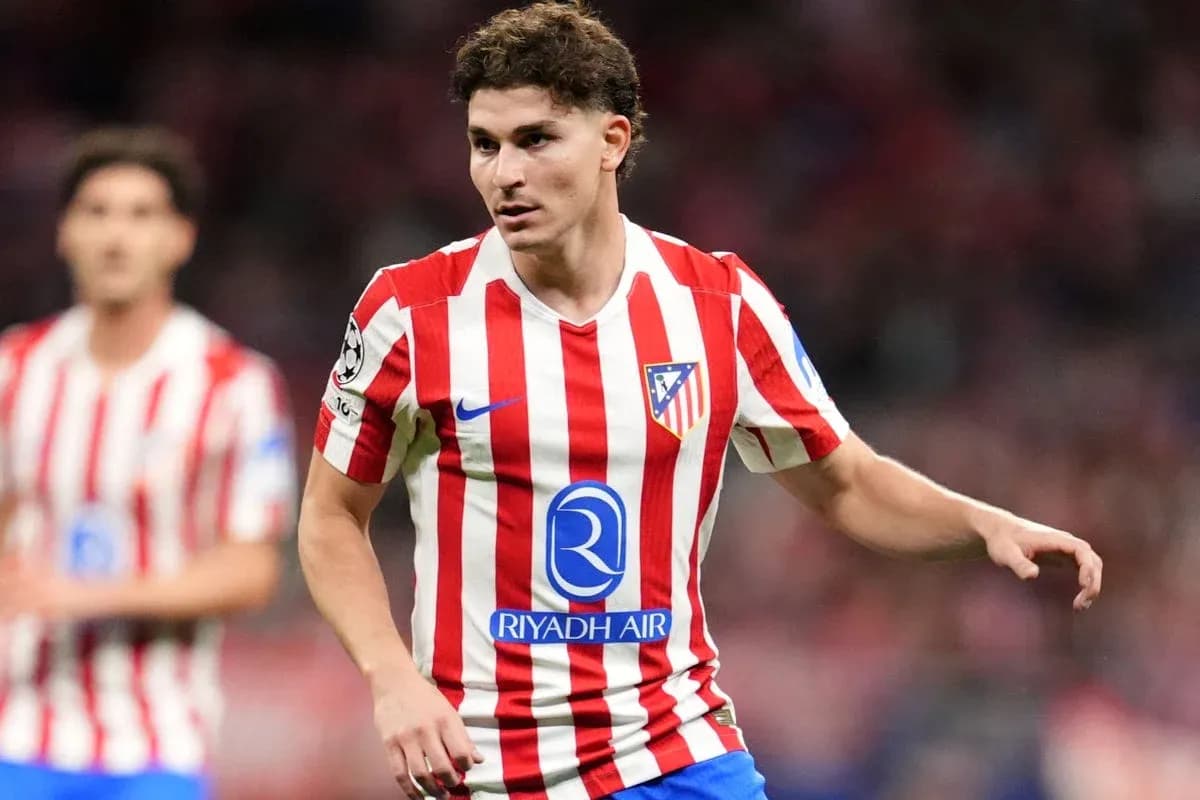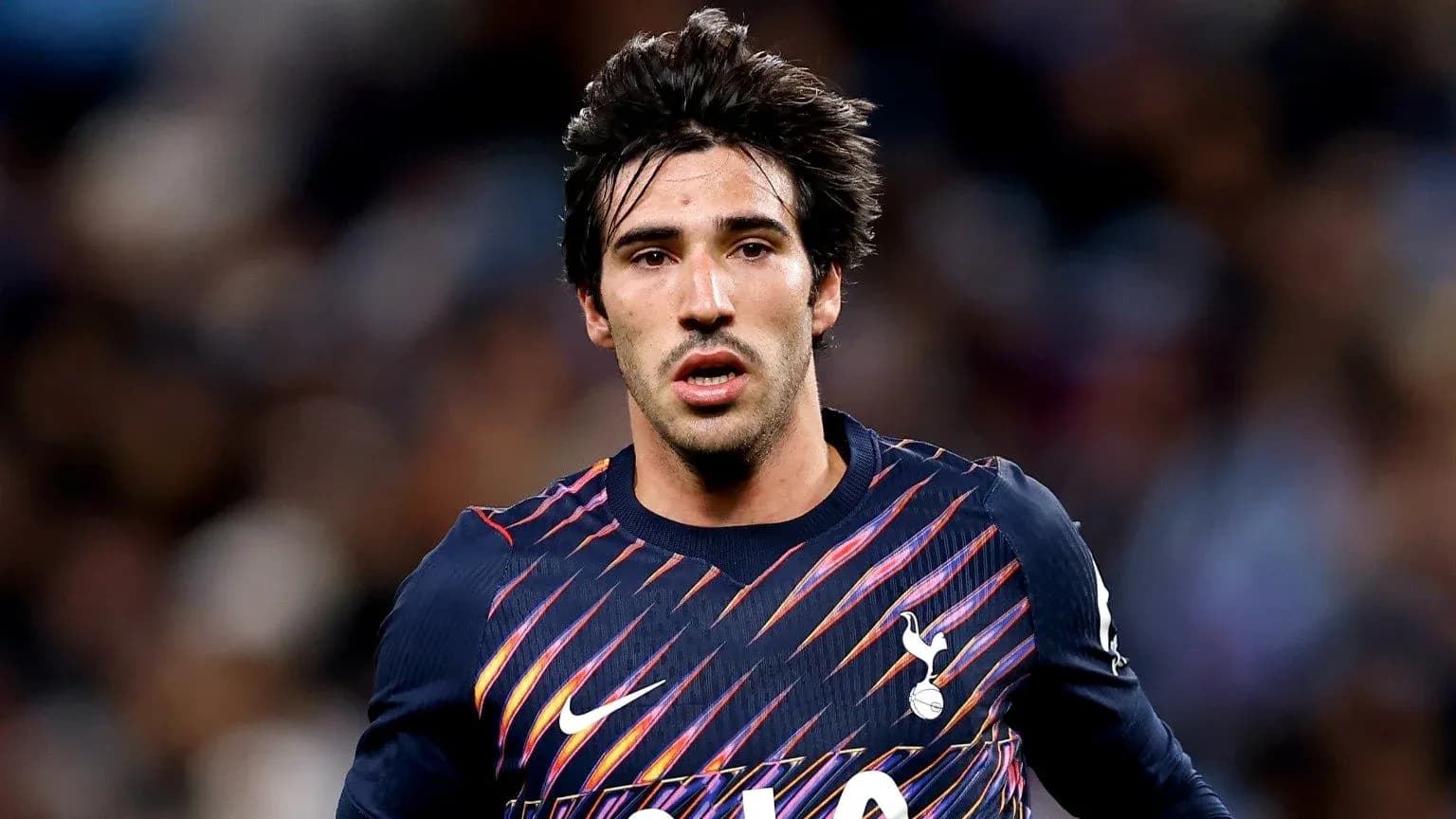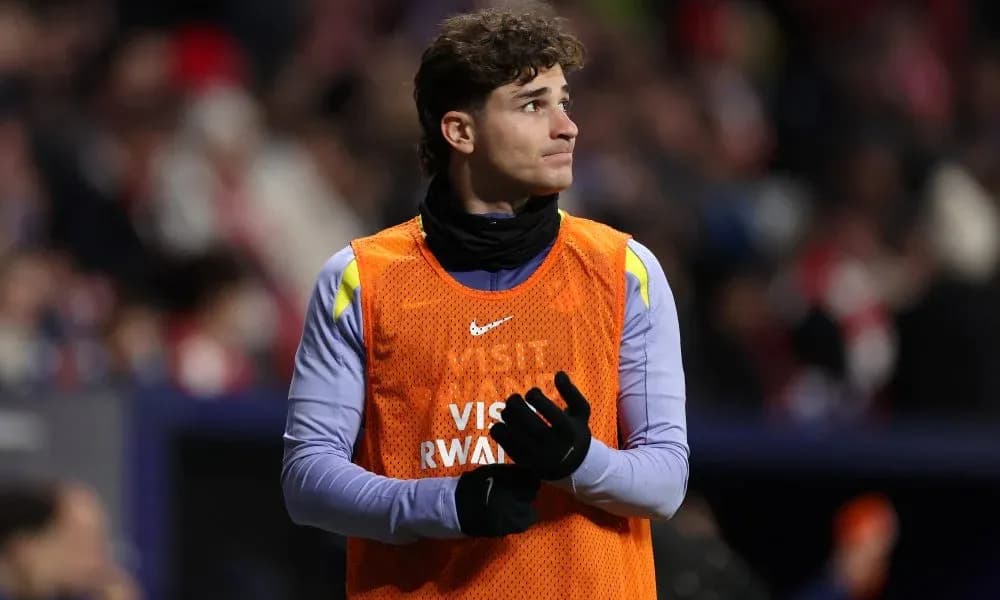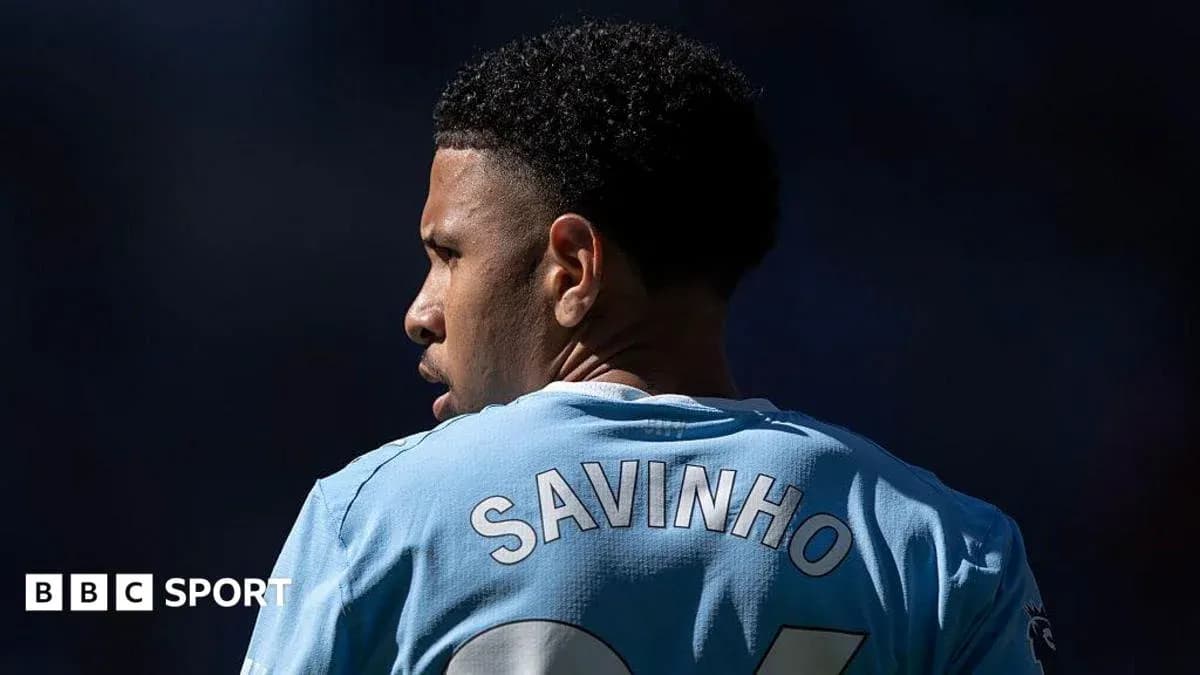
Savinho's Record Sale: A Landmark for City Football Group
For City Football Group, the sale of Savinho to Tottenham is more than a big number on a balance sheet. It is a landmark.
The £75m fee, with a further £10m in potential add-ons, is a record outgoing for Manchester City, the flagship of CFG’s global network. It also completes one of the most unusual journeys in the modern transfer market.
From Troyes ghost to Girona star
Savinho arrived in Europe in 2022 as a record signing for Troyes from Atletico Mineiro. On paper, he belonged to the French club. In reality, he never kicked a ball for them.
At 18, he was immediately shipped to PSV for the 2022-23 season. A year later he moved again, this time to Girona, another CFG club. That is where everything changed.
In Spain, he exploded. Savinho played 37 league games in 2023-24 as Girona ripped up expectations and clinched Champions League qualification for the first time in their history. Nine goals, eight assists, and a place in the La Liga team of the year turned him from a project into a hot property.
That surge in form triggered the next controversial step. Manchester City bought him from Troyes for £30.8m in 2024, prompting questions about whether that fee truly reflected the market or the internal mechanics of a multi-club empire.
A mixed Manchester chapter, a huge financial win
On the pitch in England, Savinho did not dominate. Over two Premier League seasons he scored just twice, though he did provide 12 assists. Useful, yes. Transformational, no.
Yet in his first campaign under Pep Guardiola he still made 48 appearances in all competitions and delivered 16 goal contributions. His eight Premier League assists that season were the highest at the club. Enough, City argue, to qualify as a sporting success as well as a financial one.
Off the pitch, the numbers are emphatic. Buy at £30.8m, sell for £75m plus up to £10m in bonuses. Almost £70m of profit if every clause is triggered. For CFG, which has ties to 12 clubs across the world, this is the model working at full power.
“It’s a success story for the group,” said Brian Marwood, CFG’s managing director of global football, speaking to BBC Sport. For him, the logic is clear: identify young talent, move them through the network, and, if they reach the “pinnacle” – Manchester City – all the better. If not, they still might become, as he put it, “good assets for the group”.
Savinho, he said, has been both: a City first-teamer and now a record sale.
Girona’s view and Tottenham’s gamble
At Girona, they had hoped the story would run a little longer.
“Our intention from the moment that we reached the Champions League was to try to get him to stay for another year,” admitted Girona director of football Quique Carcel. City, Guardiola and sporting director Txiki Begiristain weighed that option. Another season in Spain, Champions League football, a starring role in a familiar environment.
But interest from Guardiola and Begiristain in bringing him into City’s first-team squad changed everything. Once that door opened, Carcel said, “the player didn’t have any doubts.”
Now the equation lies with Tottenham. There are plenty who believe they have overpaid. The answer will not come from spreadsheets or balance sheets, but from what Savinho does in north London.
A machine built on player trading
Inside the Etihad boardroom, this is not a one-off. It is part of a pattern.
Manchester City, operating as a separate entity within the CFG structure, have turned selling young talent into a core revenue stream. Over the past five years, they have brought in more than £250m from players developed in their system.
- Morgan Rogers,
- Douglas Luiz,
- Cole Palmer,
- Liam Delap,
- Oscar Bobb
– the list of academy or early-stage projects sold on to Premier League rivals keeps growing. Some of those deals now look like bargains for the buyers.
Rogers left City for Middlesbrough in February 2024 for an initial £8m. Last month, Chelsea paid £117m for him. Palmer, sold to Chelsea for £40m in 2023, would now command a similar or higher fee if he left Stamford Bridge.
The lesson is uncomfortable but clear: City do not always get the timing right. Some they sell too soon. Some never quite make it. That is the volatility Marwood calls “the fascination of this business.”
“One of the hardest bits about signing young players is that you don’t know an awful lot about them,” he said. Some adapt, work, push, and become stars. Others fade. Oleksandr Zinchenko, Taty Castellanos and Jack Harrison stand as examples of players who did turn early potential into strong careers, with and without City.
The next wave
Savinho’s departure does not slow the machine. It sharpens the focus on who comes next.
Inside City, there are big expectations around 18-year-old Ryan McAidoo, who has already made his senior debut. Across the CFG network, Japan’s Shin Miidera, a 16-year-old attacker at Yokohama F. Marinos, is being tracked closely.
In the United States, 16-year-old midfielder Cavan Sullivan is developing at Philadelphia Union, with an agreement in place to join Manchester City when he turns 18. Vitor Reiss, who spent last season on loan at Girona from City, is also tipped to break through.
“In an ideal world you would love for them to stay with you from the beginning right through to the very end,” Marwood said. “But the reality is it’s probably not going to happen.”
So the challenge resets. “OK – Savinho’s gone – but where is the next one?” he asked. That, for CFG, is the obsession: to keep building a “conveyor belt of talent” and use their global web of clubs to shape it.
Their success will not be measured in one deal, however big. It will be judged, relentlessly, on two fronts: what those players win on the pitch, and what they bring back in the books.