Steve McMichael's CTE Diagnosis and Its Impact on NFL Players
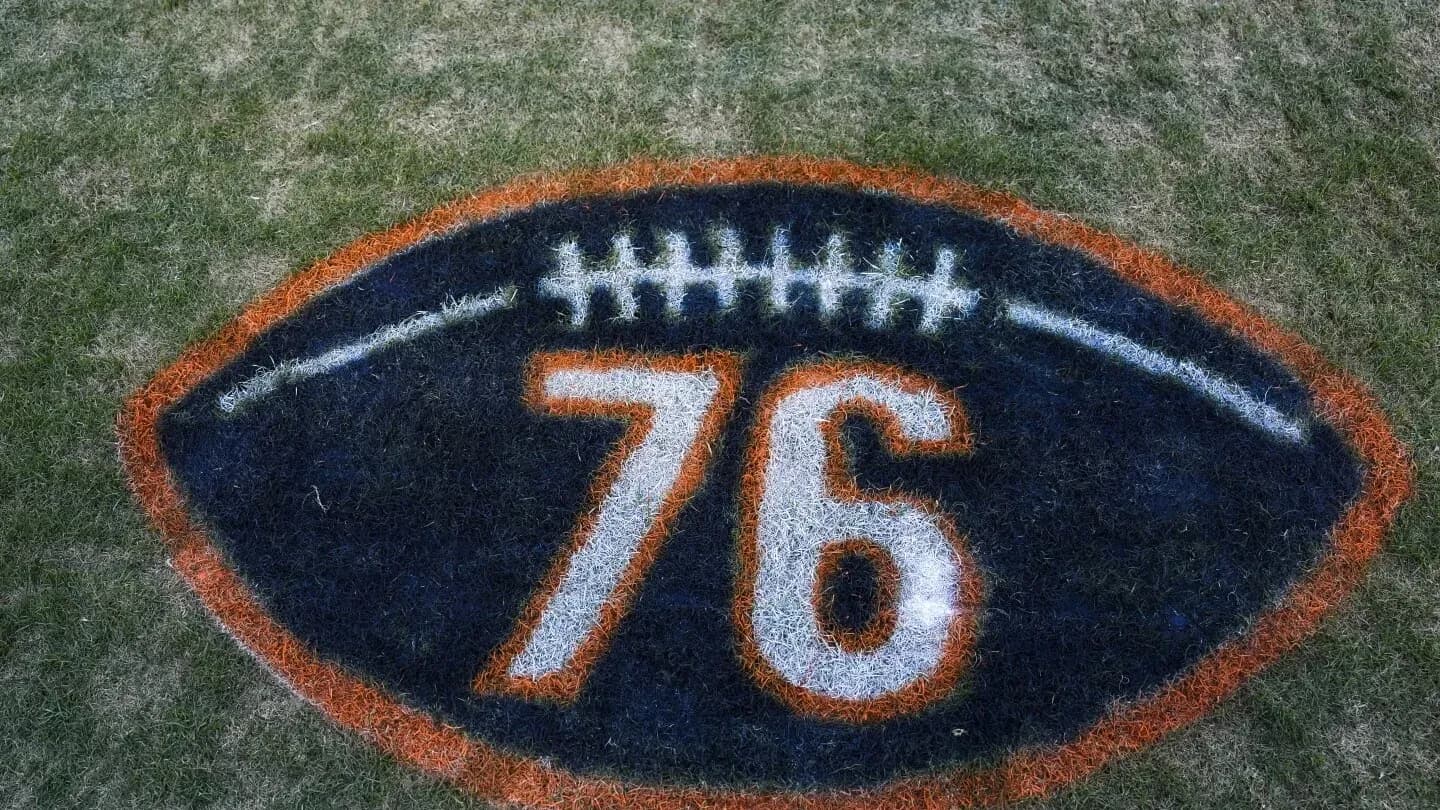
Steve McMichael spent his career smashing through offensive lines. On Tuesday, the damage from those collisions received a stark, final label.
The Concussion & CTE Foundation announced that the Hall of Fame defensive tackle had stage 3 chronic traumatic encephalopathy, one step below the most severe level of the disease. McMichael died in April 2025 at 67. His brain now sits at the center of one of football’s most urgent medical questions.
His wife, Misty, put the diagnosis into brutal context in a statement.
“By sharing Steve’s diagnosis, we want to raise awareness of the clear connection between CTE and ALS,” she said. “Too many NFL players are developing ALS during life and diagnosed with CTE after death. I donated Steve’s brain to inspire new research into the link between them.”
That link haunts the sport.
The NFL’s concussion reckoning, pushed into the open by Congress and years of public pressure, forced the league to admit that repeated head trauma carries long-term, often devastating consequences. Rules shifted. Helmet-to-helmet hits drew flags and fines. Kickoffs changed. Protocols tightened. Players who once would have been sent back into games now get pulled to the blue tent.
Yet the autopsy reports kept coming. Many former players who donated their brains showed signs of CTE, the degenerative brain disease associated with repetitive head impacts.
The uncomfortable truth: doctors still do not fully know what it means, day to day, to live with CTE. They can describe the pathology. They can list the symptoms. They cannot yet diagnose it reliably in the living.
What they do know is chilling enough. A 2021 study from researchers at Harvard Medical School and the Boston University CTE Center found that NFL players are more than four times as likely to develop ALS as men in the general population. Four times. That number hovers over every retired player who feels a twitch, a weakness, a slur in his speech.
The sport has tried to answer with rulebooks and technology. But the game’s core violence remains.
Concussions draw the headlines. Subconcussive blows build the foundation. Linemen collide on nearly every snap, helmets clacking, necks jolting, brains rattling in ways that rarely make a highlight reel but may shape the rest of a player’s life.
Years ago, John Madden floated a radical idea: scrap the three-point stance, stand linemen up, lessen the head-on crash at the line of scrimmage. The league never went that far. On Sundays, and in practice fields across the country, players still fire out of their stance, still slam into each other, still trade those small, unseen impacts dozens of times a day.
Has anything truly changed since 2009, when the league finally began to treat concussions as a crisis rather than an inconvenience? No one can say with confidence. The current generation is the test case, and the results will not be clear for years.
Do today’s players face the same CTE burden as the men who played in the 1980s, 1990s, and early 2000s? Will they develop ALS at the same alarming rate? Or will the tweaks to rules and practice habits show up as a measurable drop in brain disease?
Everything may hinge on a single breakthrough: a reliable test for CTE in living patients.
If that day comes, the questions get even sharper. What happens when a 27-year-old Pro Bowler learns he already shows signs of CTE? Does he keep playing? Does a team clear him? Does the league rework the game again, stripping away more of the collisions that define it? Does some hybrid form of tackle and flag football emerge at the highest levels?
For now, the assumptions are harsh. Among players who took the field before 2010, many researchers and advocates operate on the belief that most, if not nearly all, carry some degree of CTE. The damage, in many cases, is already baked in. No rule change in 2024 can protect a brain that absorbed thousands of hits in 1994.
The mystery lies with everyone who came after.
From the first time a child pulls on a helmet and learns to block and tackle, the clock may start. Youth leagues, high schools, colleges, the NFL — each step piles on more contact, more risk. The sport insists it is safer. Parents and players are asked to trust that promise without seeing the long-term data.
As for the old warriors, like Steve McMichael, their stories now double as medical evidence. They played in an era that prized toughness and dismissed dizziness, where “getting your bell rung” meant you were part of the game, not in danger of losing decades of your life.
The new era talks about player safety and brain health. It fines defenders for leading with the helmet. It pulls quarterbacks for evaluation after a stumble. Yet no one can say, not honestly, how much of the underlying danger has truly been removed.
At some point, the sport will have to confront a final, uncomfortable decision: if the risks stay this high, how many players will still choose to accept them?