The Surprising Twists of the 2026 World Cup
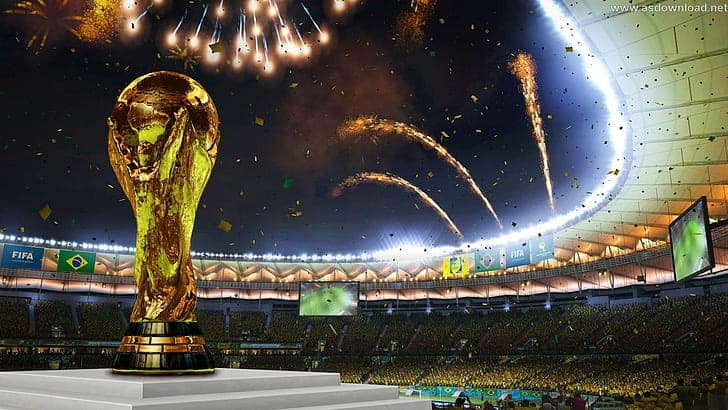
When FIFA revealed the expansion to 48 teams for the 2026 World Cup, many doubted the change. Critics feared the group stages would drag and overall quality would drop. Yet, as matches unfold across the USA, Canada, and Mexico, this bigger format has introduced a fresh level of unpredictability.
Unlike Qatar 2022, which often felt like a procession for traditional powers, this tournament ignores past hierarchies. Old reputations seem less relevant, making each knockout match unpredictable and exciting.
Underdogs Challenge the Giants
Increasing the field to 48 teams diluted traditional seedings. Established heavyweights assumed early rounds would be straightforward. Instead, they faced well-prepared opponents with diverse tactics. This new setup rewards teams that have quietly developed solid squads away from the spotlight, punishing complacency at every turn.
Brazil’s exit in the Round of 16 stands out. Packed with Champions League stars, they fell 2-1 to Norway in New Jersey. Norway’s aggressive pressing and Erling Haaland’s strength dismantled Brazil’s defense.
Meanwhile, in Boston during the Round of 32, Paraguay shocked Germany. Despite a harsh 4-1 loss to the USA earlier, Paraguay showed resilience against the four-time world champions. Their disciplined defensive approach dragged Germany into penalties, where Paraguay triumphed 4-3. It proves that sometimes stubborn defense is a powerful tool in knockout play.
Cape Verde’s story might be the most remarkable. This tiny nation of just over 500,000 stunned Spain with a goalless draw in the group stage. They pushed defending champions Argentina to extra time in the Round of 32, narrowly losing 3-2. Their run highlights why this expanded format works: it lets smaller nations prove hierarchy means little on the pitch.
A Grueling Test of Endurance
The sheer number of games has altered the tournament’s physical demands. Previously, top teams could pace themselves through groups, resting key players. That option vanished with the Round of 32 addition, stretching the path to the trophy. Fatigue has become a major factor.
Argentina’s match against Egypt in Atlanta showed this clearly. Egypt executed a perfect plan, building a surprising two-goal lead. Argentina looked drained, highlighted when Lionel Messi’s first-half penalty was saved by Mostafa Shobeir. Tactical adjustments by coach Lionel Scaloni helped Messi and Enzo Fernandez spark a last-minute 3-2 comeback. Still, it felt more like survival than dominance. The longer knockout stages have turned into battles of stamina as much as skill.
The Powerhouses Still Stand Tall
Despite disruptions, the giants remain competitive. France breezed through opponents with ruthless precision, reminding everyone why they are favorites. Spain and Argentina also survived the tough early rounds. Yet, the quarter-finals feature unexpected names alongside these elite teams.
According to World Cup odds at NetBet, the trophy is expected to stay within familiar hands, with a clear gap between the top contenders and surprise teams like Norway or Morocco.
The 2026 World Cup strikes a rare balance. Big names still shine but face relentless challenges from less heralded squads. This unpredictability makes following the tournament thrilling. History offers no guarantees once the whistle blows.