Sweden's Dominant World Cup Victory Under Graham Potter
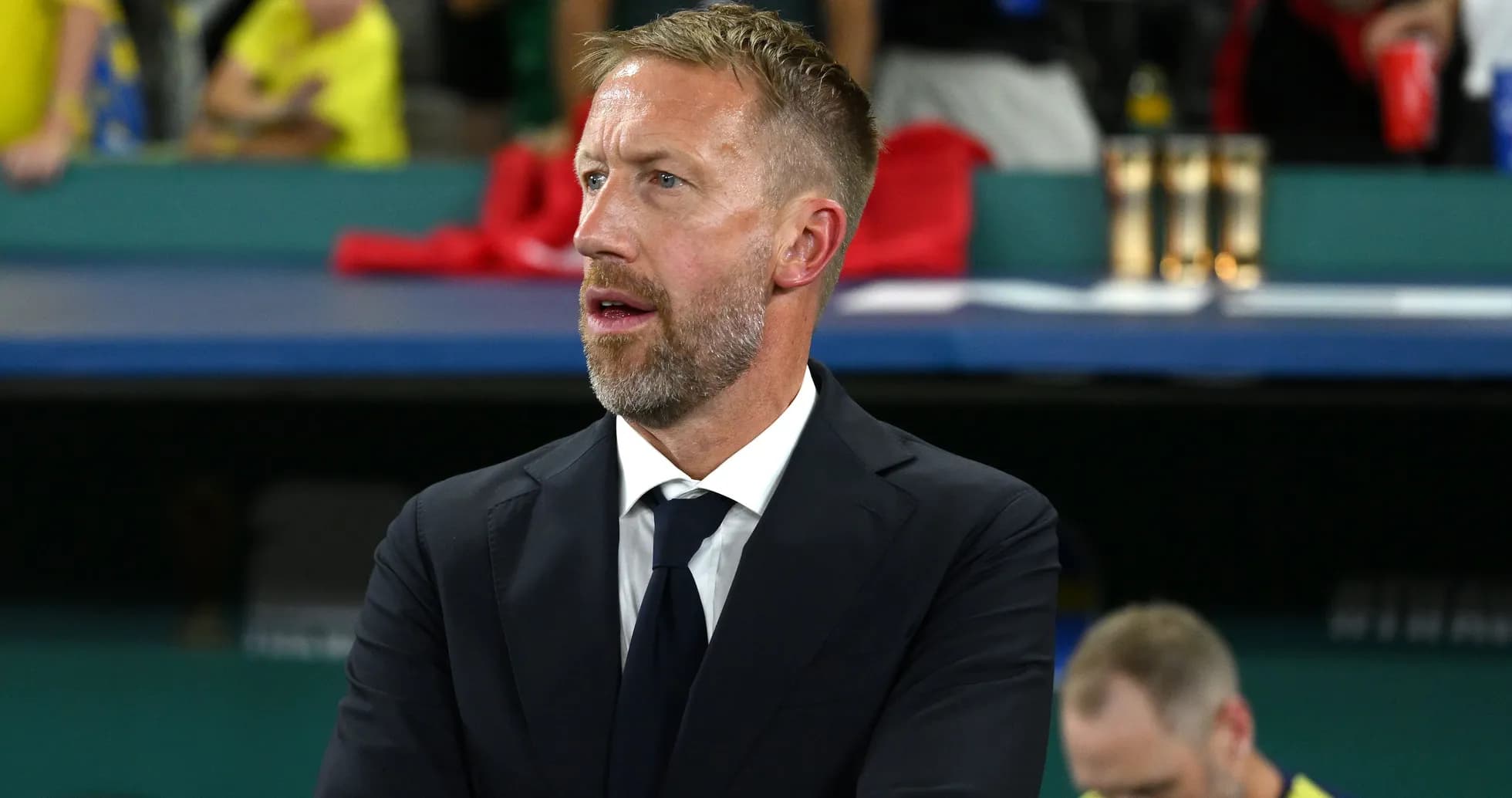
Graham Potter walked into the mixed zone with a 5–1 World Cup win in his pocket and blood on his right ear.
It was a jarring image. Sweden’s new architect of revival, fresh from orchestrating a ruthless dismantling of Tunisia in Monterrey, dabbing at a wound he couldn’t explain.
“I don’t know what happened. Someone scratched me, or bit me. I’ll have to analyse the video footage,” he said, via Sportbladet, half bemused, half shrugging it off. The touchline chaos had left its mark, but it was the kind of scar managers happily accept after a night like this.
Because on the pitch, his team were brutal.
Isak and Gyokeres bully Tunisia
Alexander Isak and Viktor Gyokeres didn’t just lead the line. They set the tone for an entire campaign.
Isak, wearing Liverpool colours at club level but draped in yellow here, played like a man who understood the stage. One moment summed it up: a stunning solo goal, all balance and belief, as he carved through an overmatched Tunisian back line. Later, with the game already tilting heavily Sweden’s way, he added a delicate flick to release Mattias Svanberg, whose finish for the fourth stood after a VAR check.
Gyokeres, Arsenal’s spearhead, brought the other side of the partnership. Relentless running. A predator’s nose. When Isak’s pressing forced a defensive mistake, Gyokeres pounced, punishing Tunisia with the kind of cold efficiency Sweden had been missing in qualifying.
Potter knew exactly what he’d seen.
“I think it was a fantastic evening for us, a fantastic start,” he said. “A solid performance that allowed Alex and Viktor to show their qualities, which they did. We were defensively solid, got goals from midfield and had good substitutions. I’m happy for the players. They’ve worked hard in recent weeks and made strides. All credit to them. As a coach you know when the team is developing, but you also have to win. We weren’t perfect, but we knew we wouldn’t be.”
This was the performance he had been hired to conjure. Aggressive, clinical, grown-up.
From rock bottom to ruthless
The scale of the turnaround gives the scoreline extra weight.
This is a Sweden side that finished bottom of their original qualifying group, behind Switzerland, Kosovo and Slovenia. They didn’t sneak into this World Cup; they clawed their way in through the Nations League play-offs, dragging a faltering campaign back from the brink.
Under Potter, something has snapped into place. The caution has gone. In its place, a cutting edge.
Brighton midfielder Yasin Ayari, of Tunisian descent, embodied that change. He didn’t just score. He lit the game up. Two spectacular goals, each one another reminder that this squad carries more invention than their qualifying record ever suggested.
Tunisia did find a way through once. A lapse at the back allowed Omar Rekik to pull a goal back, and Potter didn’t hide his irritation.
“I was a little disappointed with the goal we conceded, but that’s what can happen,” he said. “We were mature in the second half, especially considering we lack experience from the World Cup.”
The key word there: mature. Sweden didn’t wobble after the setback. They tightened their grip, managed the tempo, and strangled any hint of a Tunisian fightback. By the closing stages, it was a procession.
Group F blown wide open
The wider context makes this victory even more valuable.
Earlier in the day, Netherlands and Japan – the supposed heavyweights of Group F – traded blows in a 2–2 draw. That result cracked the group open. Sweden, with three points and a statement win, now sit in a commanding position at the summit.
They are in the driving seat for the knockout rounds. Nobody expected to say that when they limped through qualifying.
Potter, though, refused to let the narrative run away.
“We just focus on what we can do, we focus on our performances,” he said. “It doesn’t matter what people think from the outside or opinions. That’s the beauty of the World Cup, everyone has predictions and forecasts but we have to focus on our job and how we play as a team. We will meet another top team at the weekend who are one of the favourites for the competition.”
That “other top team” is Netherlands on Matchday 2. A different level of examination. A different level of noise.
Sweden arrive at that test with their manager bloodied, their confidence soaring, and their World Cup suddenly alive. The question now is simple: was this a spectacular one-off, or the opening act of something far bigger?