Understanding the Team Conduct Score at the 2026 FIFA World Cup
As the group stage of the 2026 FIFA World Cup wraps up, teams have started securing their places in the Round of 32. Mexico took the lead as the first group winner, followed closely by the United States. With 30 teams still battling for knockout spots, several scenarios are unfolding, many involving the team conduct score.
Defining the Team Conduct Score
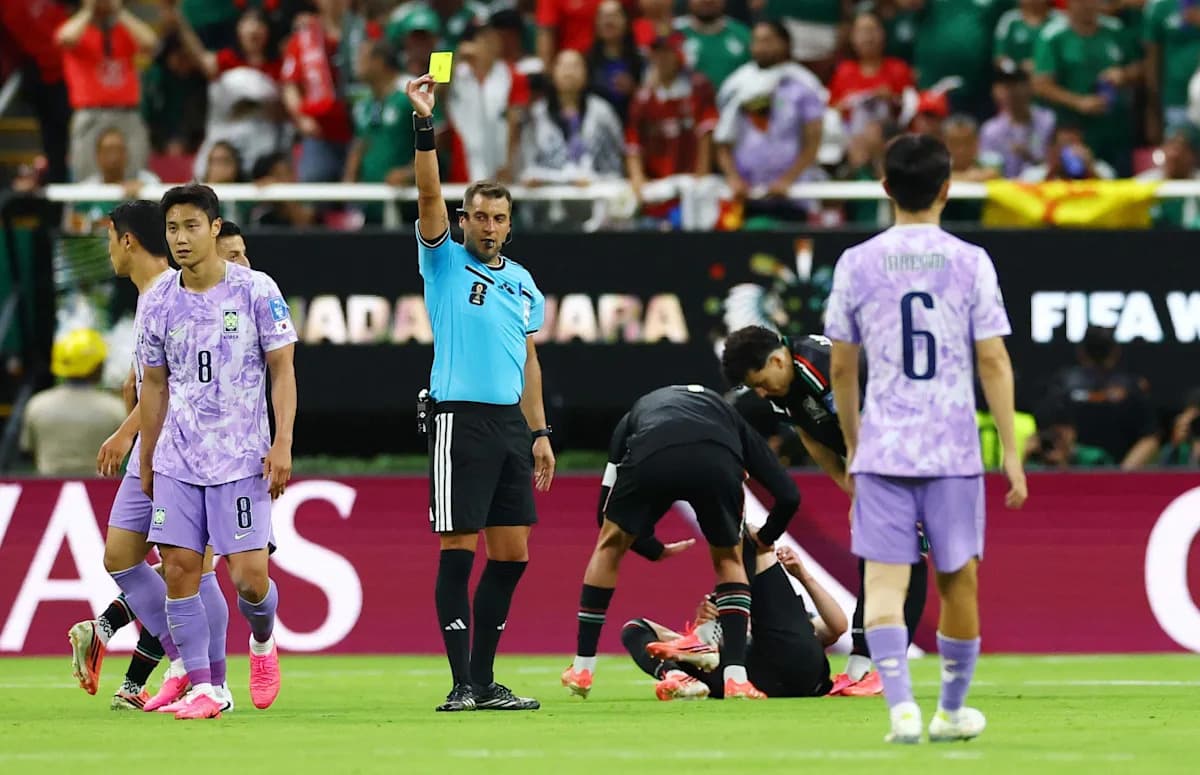
The team conduct score measures how disciplined a team has been throughout the tournament. It adds up the yellow and red cards given to players and officials during matches, serving as a penalty tally.
How Is the Team Conduct Score Calculated?
- Yellow card: -1 point
- Indirect red card (from a second yellow): -3 points
- Straight red card: -4 points
- Yellow card plus straight red card: -5 points
Points accumulate as teams receive cards, altering their overall conduct score.
Why Does the Team Conduct Score Matter?
This score can decide which teams advance when group stage ties occur. The tiebreaking process unfolds in steps:
- Points gained in matches between tied teams.
- Goal difference in those matches.
- Goals scored in those matches.
If these don’t settle the tie, the next phase considers all group matches with:
- Overall goal difference.
- Total goals scored.
- Highest team conduct score (fewer negative points is better).
If teams still remain tied, FIFA rankings serve as the final decider.
With the tournament expanded to 48 teams, the top two from each group move on automatically, while the eight best third-placed teams fill remaining spots. When ranking these third-place teams, FIFA applies:
- Points earned in all group matches.
- Goal difference across all group games.
- Goals scored in all group matches.
- Team conduct score.
If ties persist, FIFA rankings again determine who advances.