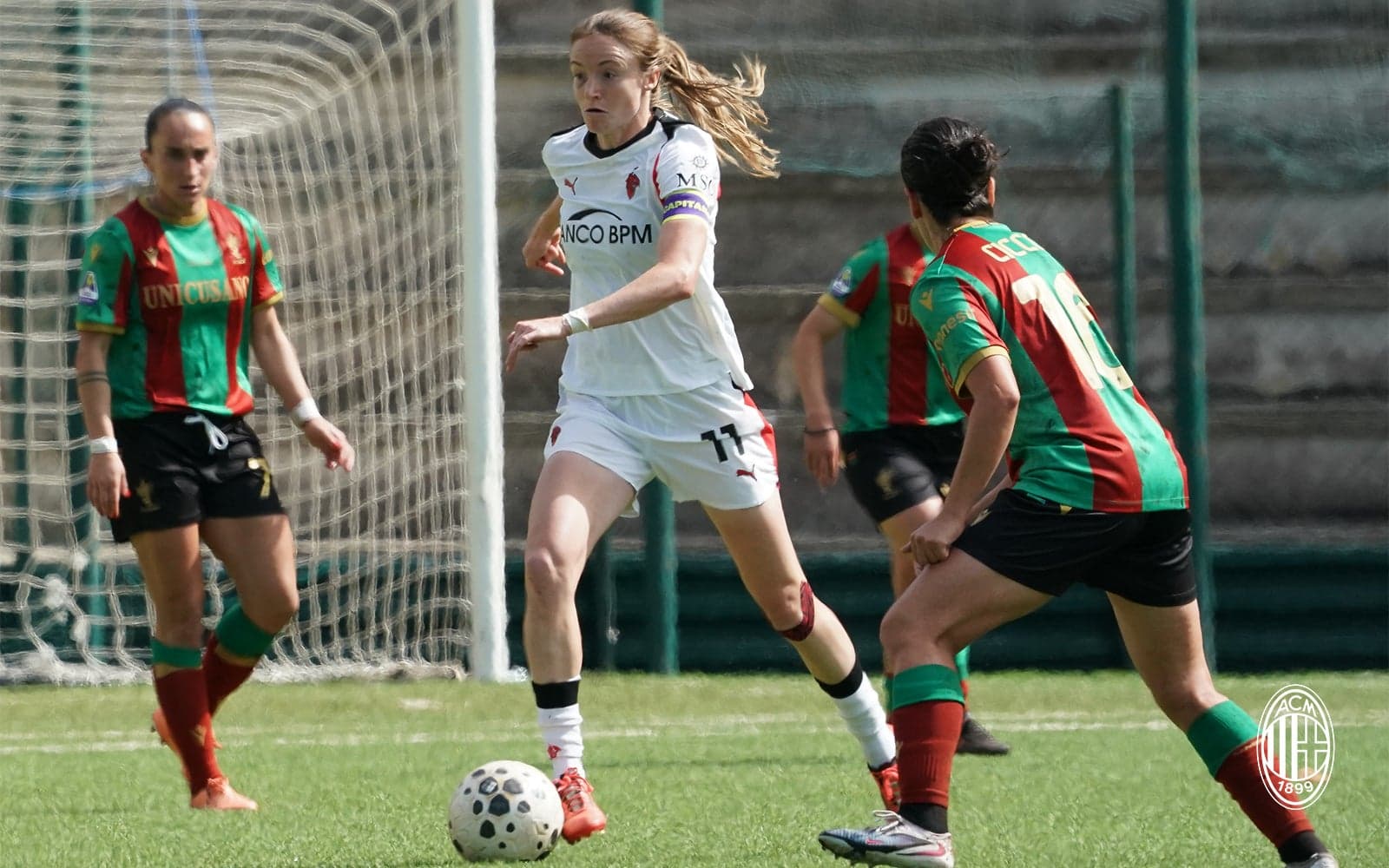
Ternana W Triumphs Over AC Milan W in Serie A Women Clash
On a warm afternoon at Stadio Libero Liberati, the final act of Ternana W’s debut Serie A Women campaign unfolded with a twist that few had forecast. Heading into this game, the table painted a stark contrast: Ternana W in 10th on 17 points, AC Milan W in 7th with 32. The visitors carried the aura of a more seasoned side, the hosts the scars of a season spent largely on the back foot. Yet after 90 minutes, the scoreboard read 1–0 to Ternana W, a result that felt less like an upset and more like a culmination of their stubborn seasonal DNA.
I. The Big Picture – Underdog resolve against structured pedigree
Overall this season, Ternana W had been defined by fragility as much as fight. Across 22 league matches they scored 19 and conceded 40, for a goal difference of -21. At home, though, there was always a different edge: 15 goals for and 17 against at Stadio Libero Liberati, with a home scoring average of 1.4 and a goals-against average of 1.5. The margins were thin, but the sense of possibility was real.
AC Milan W arrived with a more balanced profile. Overall they scored 31 and conceded 26 (goal difference +5), with a total scoring average of 1.4 and just 1.2 conceded. On their travels they had been solid if not dominant: 13 away goals for and 11 against, averaging 1.2 scored and 1.0 conceded away from home. This was the profile of a side that usually controls risk and trusts its structure.
The tactical backdrop was coloured heavily by timing trends. Ternana W’s attack is a late-blooming one: 34.78% of their goals overall came between 76–90 minutes, their single biggest window. AC Milan W mirrored that pattern even more sharply, with 35.48% of their goals overall also arriving in the final quarter-hour. On paper, this fixture was designed to explode late.
Defensively, Ternana W’s softest underbelly has been the first half, particularly 31–45 minutes where they conceded 30.56% of their overall goals. AC Milan W’s major vulnerability, by contrast, came in that same late stretch where they are so dangerous going forward: 34.62% of their overall goals conceded arrived between 76–90 minutes. The stage was set for a knife-edge finish – and Ternana’s eventual winner fit that seasonal script.
II. Tactical Voids – Discipline as invisible selection
The official list of absentees offered no data, leaving coaches Mauro Ardizzone and Suzanne Bakker with, in theory, close to full decks. Yet the squads carried their disciplinary stories into this match.
For Ternana W, Virginia Di Giammarino has walked a tightrope all season. With 4 yellow cards in 21 appearances, she embodies the edge in Ternana’s midfield. Team-wide, their card distribution shows a clear late spike: 25.00% of their yellow cards overall arrive between 76–90 minutes, matching their attacking surge but threatening to undercut it with suspensions and late-game nerves. Their red-card history is concentrated entirely in 31–45 minutes, where 100.00% of their overall reds have been shown, a reminder of how quickly emotional control can slip just before half-time.
AC Milan W’s disciplinary profile is more scattered but more severe at the top end. Midfielder Marta Mascarello also sits on 4 yellows, a sign of her role as an enforcer in front of the back line. Across the season, 30.00% of Milan’s yellow cards overall have come in the 76–90 minute window, and their red cards are spread across 46–60, 61–75 and 76–90 minutes, each accounting for 33.33% of their total reds. For a side that wants to assert control late, that tendency toward dismissals is a structural fault line.
III. Key Matchups – Hunter vs Shield, Engine Room vs Enforcer
Even though she did not feature in this particular starting XI, the season-long shadow of Valeria Pirone looms over Ternana W’s attacking identity. With 6 league goals and 1 assist, supported by 23 shots (9 on target), she has been their reference point. Crucially, she has won 5 penalties, scoring 5 and missing 1 – a detail that underlines both her penalty-box craft and the fact that Ternana’s spot-kick record is not flawless. That single miss matters in a side that often lives on fine margins.
On the opposite side, AC Milan W’s most incisive offensive mind has been Kayleigh van Dooren. With 5 goals from midfield, 18 shots and 12 on target, plus 8 key passes and an overall passing accuracy of 78%, she is the creative fulcrum. Yet her 1 red card this season hints at the emotional volatility that can tilt tight contests.
Behind them, the “Engine Room” duel framed much of the tactical narrative. For Ternana W, Giada Cimò has been a revelation: 3 goals, 1 assist, 20 shots (12 on target) and 15 key passes. She has won 72 of 135 duels and drawn 28 fouls, a midfielder who both resists pressure and provokes it. Across from her, Mascarello’s 368 passes at 77% accuracy and 15 key passes give Milan a metronome, but her 15 fouls committed and 4 yellow cards also make her the side’s chief disruptor.
On the defensive line, Milicia Keijzer has quietly been one of Milan’s most important shields. With 23 tackles, 3 blocked shots and 10 interceptions, she has repeatedly stepped in to extinguish danger, even as her 1 red card and 11 fouls committed underline how thin that line can be. For Ternana, defender F. Quazzico – listed among the league’s red-carded players – blocked 1 shot and made 6 tackles in limited minutes, a sign of a back line that often has to defend on the edge.
IV. Statistical Prognosis – A result against the grain
Heading into this game, the raw numbers tilted toward AC Milan W. They had more wins overall (9 to Ternana’s 4), a better goal difference (+5 versus -21), and more clean sheets overall (7 to Ternana’s 5). Their away defensive average of 1.0 goals conceded per match suggested that shutting down a Ternana attack averaging 1.4 goals at home was within reach.
Yet the minute-by-minute distributions hinted that if Ternana could survive the early storms – where they concede heavily between 31–45 minutes – and drag the contest into the final quarter-hour, the balance might shift. Milan’s tendency to concede late (34.62% of their goals against overall in 76–90 minutes) intersected perfectly with Ternana’s own late-game attacking surge (34.78% of their goals for overall in the same window).
The 1–0 scoreline ultimately reflected that deeper narrative: a game where the underdog bent but did not break, where structural late-game trends overruled table positions. In Expected Goals terms, Milan’s season-long attacking averages suggested they would fashion more and better chances, but Ternana’s home resilience, penalty threat and capacity to draw fouls in advanced zones created a different kind of xG: one built on moments rather than volume.
Following this result, the story of Ternana W’s season feels subtly rewritten. The numbers still tell of struggle, but the performance – compact, disciplined, and decided in the very minutes where their strengths intersected Milan’s weaknesses – offers a tactical blueprint. For AC Milan W, the lesson is harsher: until they solve their late-game defensive drop and disciplinary volatility, no lead, and no ranking, will feel truly safe.