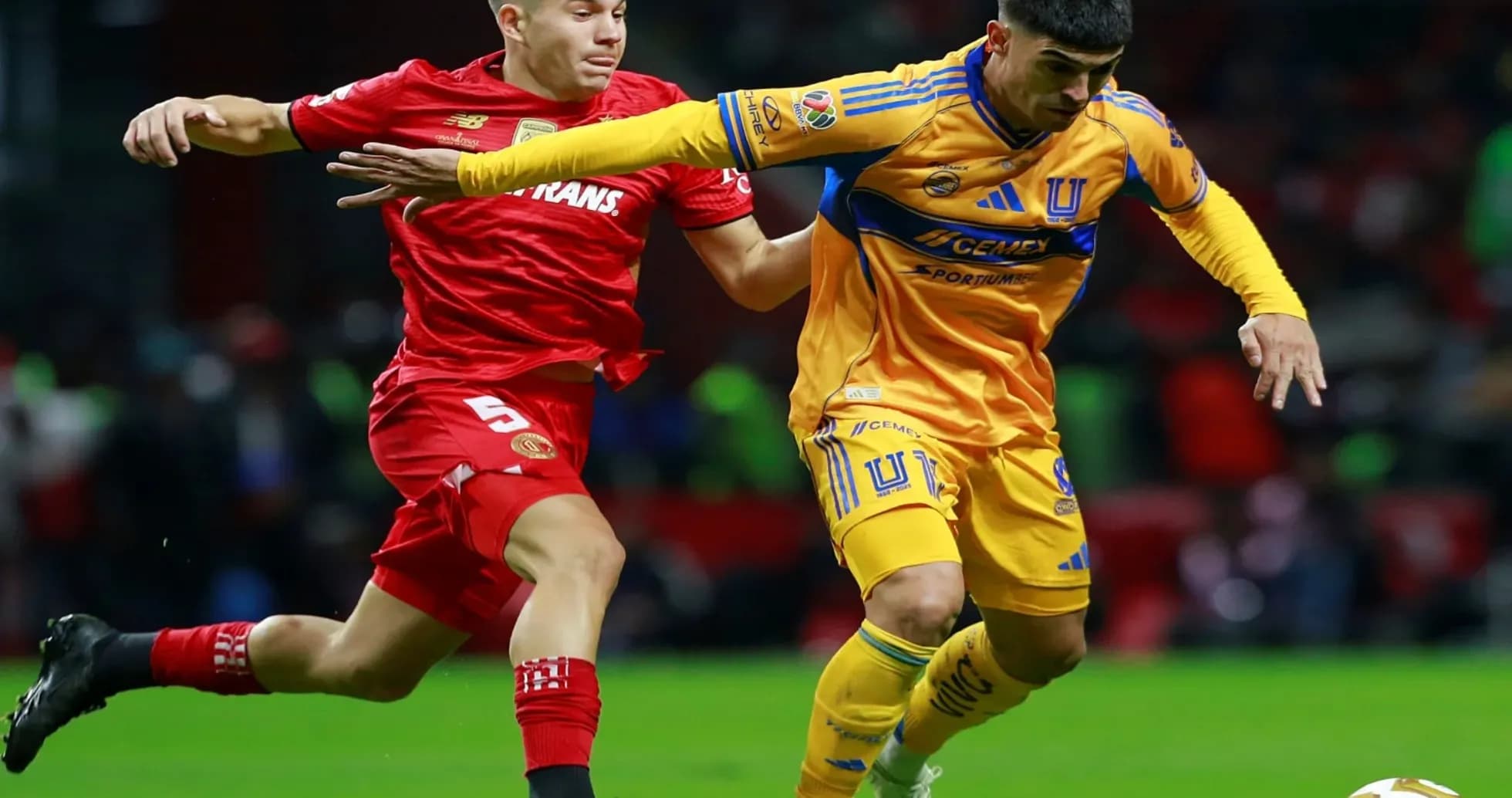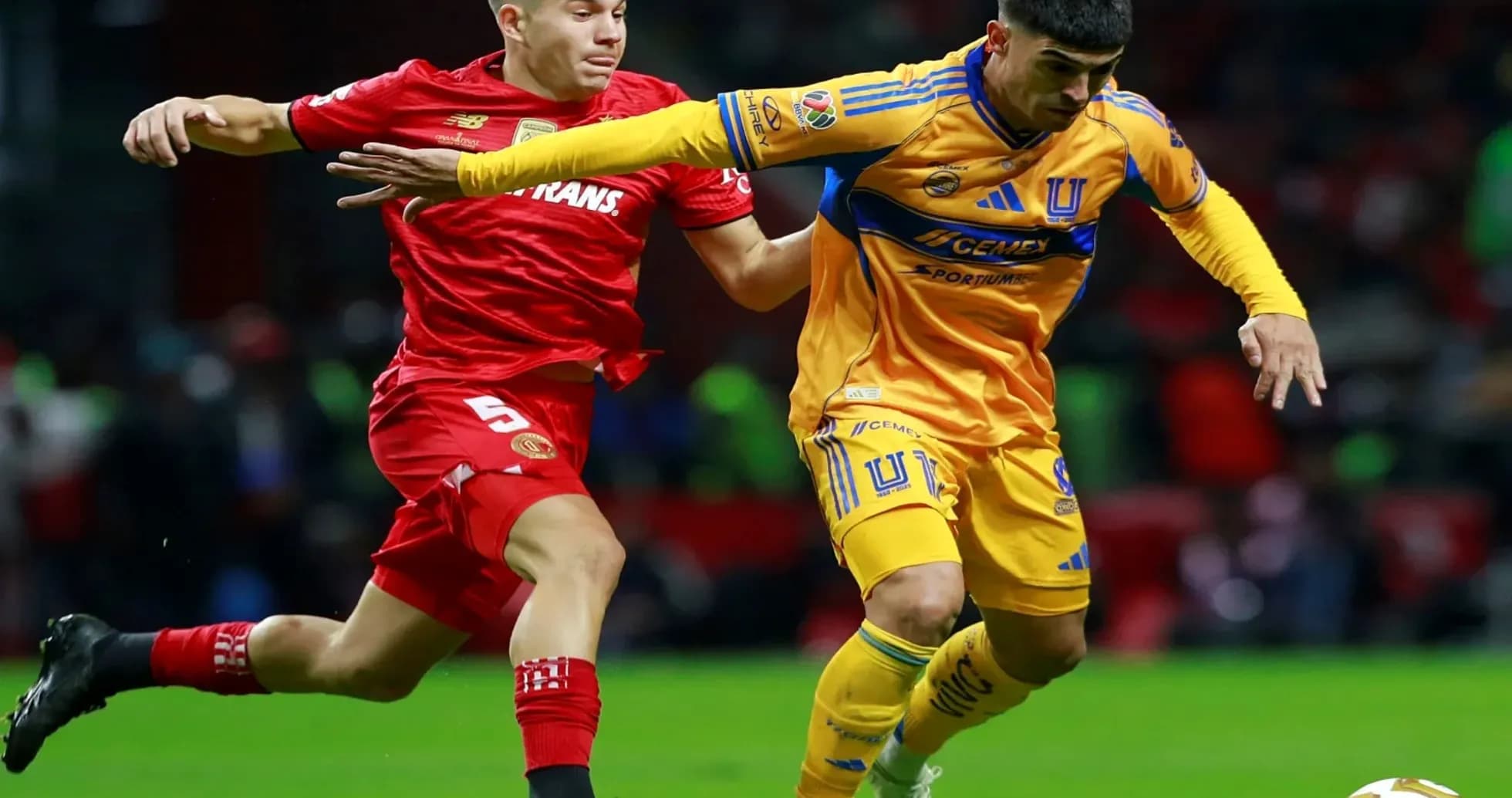
Toluca vs Tigres UANL: 2026 CONCACAF Champions League Final Preview
Toluca and Tigres UANL meet in Toluca in the 2026 CONCACAF Champions League Final, a standalone showpiece with no league-table implications but huge seasonal weight: the match will define continental status, validate each club’s tactical model on the international stage, and likely shape transfer and coaching decisions heading into the next year.
Head-to-Head Tactical Summary
Recent meetings underline how finely balanced – and high-stakes – this rivalry has become. On 2026-01-18 at Estadio Universitario in Liga MX Clausura (Round 3), Tigres UANL and Toluca played out a 0-0 draw (HT 0-0), a cagey contest where defensive structures prevailed. Just weeks earlier, on 2025-12-15 at Estadio Nemesio Diez in the Liga MX Apertura Final, Toluca beat Tigres 2-1 (HT 1-1) and then edged a 9-8 penalty shootout, showing both attacking ambition and nerve under maximum pressure. The first leg of that Apertura Final, on 2025-12-12 at Estadio Universitario, finished Tigres 1-0 Toluca (HT 0-0), with Tigres protecting a narrow advantage at home.
Earlier in 2025, on 2025-07-27 at Estadio Nemesio Diez in Liga MX Apertura (Round 3), Tigres won a wild 4-3 at Toluca (HT 3-1 to Tigres), exposing Toluca in transition but also revealing Tigres’ vulnerability when protecting a lead. On 2025-05-18, again at Estadio Nemesio Diez in the 2024 Liga MX Clausura Semi-finals, Toluca beat Tigres 3-0 (HT 1-0), a dominant home performance that highlighted Toluca’s capacity to impose themselves physically and territorially in knockout settings. Across these matches, Tigres have often started more controlled, while Toluca have tended to increase tempo and directness at home, with the tie frequently decided by fine margins and set-piece or penalty situations.
Global Season Picture
- League Phase Performance: No league standings data is available for either Toluca or Tigres UANL in this CONCACAF Champions League campaign, so their rank, points, and goals for/against in the league phase cannot be quantified here.
- Season Metrics: In the league phase of the CONCACAF Champions League, Toluca have played 6 matches (4 wins, 0 draws, 2 losses), scoring 18 goals and conceding 7. That attacking output (3.0 goals per match) indicates a highly productive, front-foot approach, while the defensive record (1.2 goals conceded per match) is solid but not conservative. Their clean-sheet count (3 in 6) and the fact they have never failed to score suggest a consistently proactive game plan. Disciplinary data shows yellow cards spread across all phases of the match, indicating an aggressive but controlled pressing and dueling profile, with no red cards recorded.
Tigres UANL, in the same league phase, have played 8 matches (5 wins, 1 draw, 2 losses), scoring 14 and conceding 8. Their goals-for average (1.8 per match) is lower than Toluca’s but paired with a slightly tighter defensive figure (1.0 conceded per match), pointing to a more balanced, control-oriented model. Clean sheets in half of their matches (4 of 8) underline a strong defensive base, especially at home, while two away matches without scoring expose a risk when they are forced to chase games on foreign pitches. Their yellow-card distribution is heaviest between minutes 46 and 75 and again in added time, consistent with a side that raises intensity in the second half and in high-leverage moments, yet they also have no red cards, showing discipline in structure. - Form Trajectory: Toluca’s form string in this competition, LWWWLW, shows a volatile but generally upward curve: three consecutive wins in the middle phase, then alternating loss and win. That pattern points to a high-ceiling side whose attacking risk can occasionally backfire but which responds well to setbacks. Tigres UANL’s sequence, DWLWWLWW, is more stable: only two defeats in eight and two separate two-game winning streaks. The combination of a draw, scattered losses, and multiple wins suggests a team that manages game states efficiently and rarely loses control for extended stretches. Heading into the final, Tigres arrive with a slightly steadier trajectory, while Toluca bring higher variance but greater attacking explosiveness.
Tactical Efficiency
Without explicit numerical “Attack/Defense Index” values from the comparison data, the efficiency picture must be inferred from the CONCACAF Champions League league-phase statistics. Toluca’s attack is clearly high-yield: 18 goals in 6 matches, with their best home result a 4-0 win and best away result 3-0, indicates a side that converts pressure into goals at a strong rate. The absence of any “failed to score” matches confirms that, chance for chance, they are generally clinical in the final third. Defensively, 7 goals conceded across 6 games, with 3 clean sheets, reflects a unit that can dominate when the game script suits them but can be opened up when forced into stretched, transition-heavy scenarios – something Tigres have exploited before, as in the 4-3 away win in Toluca.
Tigres UANL’s attacking efficiency is more context-dependent. At home in this competition, they have scored 12 goals in 4 matches (3.0 per match), matching Toluca’s home productivity and suggesting that when they can control tempo and territory, their attack is highly effective. Away from home, however, they have only 2 goals in 4 matches (0.5 per match) and have twice failed to score, a sharp drop that signals reduced chance creation or weaker finishing under hostile conditions. Defensively, conceding 8 in 8 (1.0 per match) with 4 clean sheets points to a well-organized block that can keep matches in low-scoring territory, especially if they dictate rhythm and avoid end-to-end exchanges.
In efficiency terms, Toluca look like the higher-variance, high-attack side: their “implicit” attacking index is stronger, but their defensive stability is more sensitive to game state. Tigres profile as the more balanced unit, with a solid defensive “index” and an attack that spikes at home but flattens away. Given this final is in Toluca, the underlying numbers tilt the offensive efficiency edge toward Toluca, while Tigres’ best route to maximize their own efficiency will be to compress the match into fewer chances, lean on their structured defending, and look for selective, high-quality attacking moments rather than volume.
The Verdict: Seasonal Impact
This final is season-defining for both clubs. For Toluca, winning a continental title at home would validate a bold, attack-first model that has already delivered high-scoring wins and a psychologically important Liga MX Apertura Final triumph over Tigres via penalties. It would reinforce the idea that their current core and tactical identity are suited not just to domestic knockout football but to international competition, strengthening their hand in retaining key players and attracting higher-caliber signings. Failure, particularly if it comes via defensive lapses or inability to control transitions, would likely trigger scrutiny of their balance between attack and structure ahead of future campaigns.
For Tigres UANL, a CONCACAF Champions League trophy would confirm them as a benchmark club in the region, rewarding a more controlled, structurally sound approach that has produced consistent results across this league phase. It would offset the psychological edge Toluca gained in the previous domestic final and reassert Tigres’ capacity to win high-stakes ties away from home – a known weak point given their low away scoring rate. A defeat, especially if the attack again underperforms on the road, would reinforce questions about their away-game blueprint and could push the club toward tactical tweaks or attacking reinforcements to avoid a ceiling in future continental runs.
Beyond titles and prestige, this match will shape how both teams are built in 2026: a Toluca win strengthens the case for maintaining a high-risk, high-reward attacking identity; a Tigres win strengthens the argument for balanced, control-oriented football as the optimal path in knockout and continental play. In either outcome, the result will not alter league tables, but it will heavily influence competitive positioning, recruitment, and tactical evolution for both clubs in the coming year.