Tottenham's Fragility Exposed in Defeat to Aston Villa
Tottenham didn’t just lose. They followed a script everyone inside the stadium had seen before.
The longer they pushed for the opener, the more inevitable it felt that they would be the ones punished. When the blow came, it came in the most Spurs way possible: down to 10 men, on top in the game, and then undone by a scruffy goal that shattered whatever belief remained.
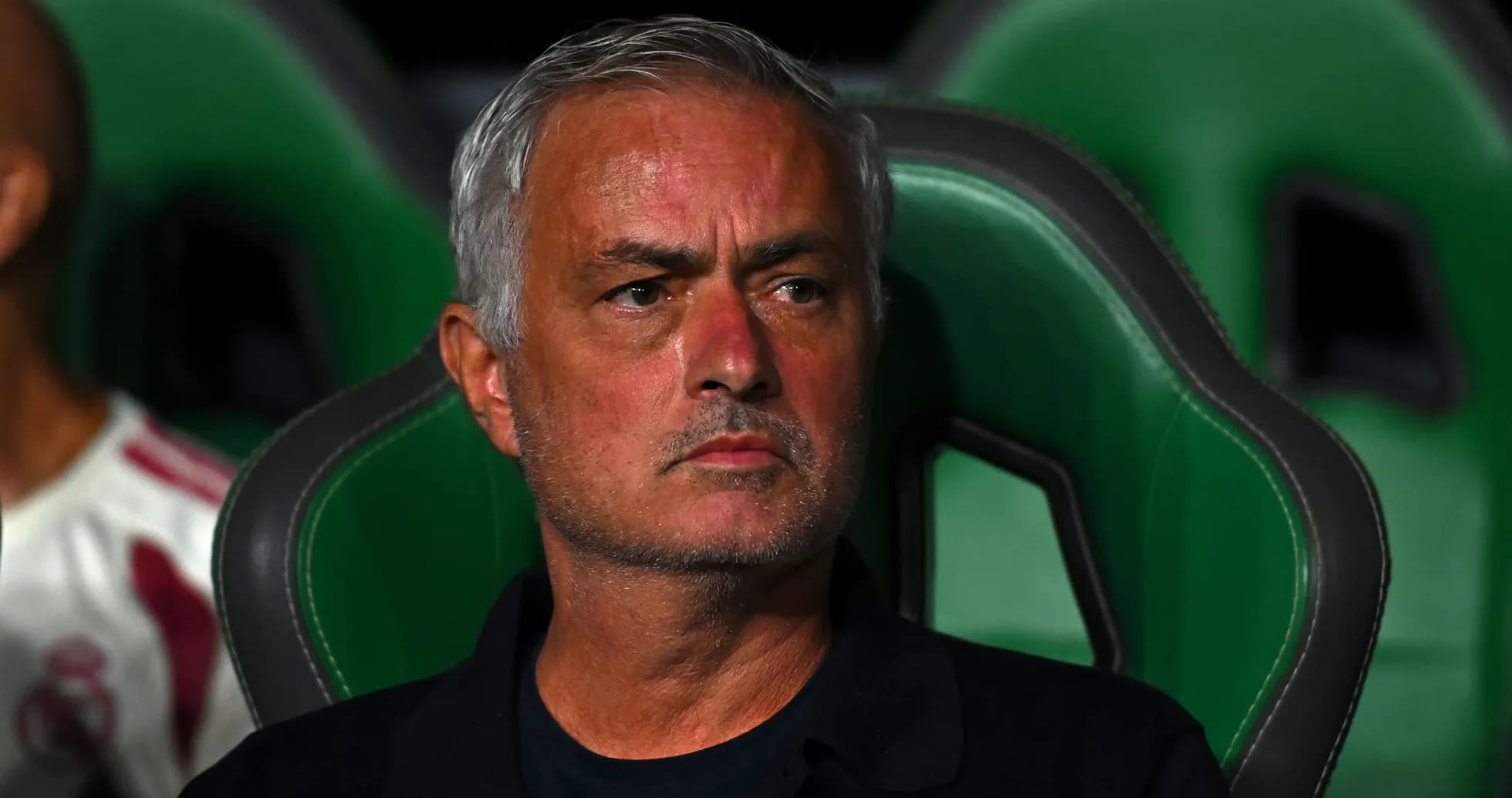
Roberto De Zerbi didn’t sugar-coat it. “Too fragile,” he called his team after a 3-2 home defeat to Aston Villa that somehow felt heavier than the scoreline suggested.
Spurs start strong, then crumble again
For 20 minutes, Tottenham were everything De Zerbi wants them to be. Front foot. Aggressive. Dominant.
Savio and Archie Gray both drew sharp saves from Zion Suzuki. The ball stayed mostly in Villa territory, the pressure built, the crowd responded. But without the goal to match the control, there was always a familiar tension lurking.
Then came the turning point.
Micky van de Ven left the pitch for treatment after a blow to the face, leaving Spurs temporarily a man light. De Zerbi shuffled the pack, dropping Rodrigo Bentancur into centre-back and pushing Mateus Fernandes into midfield to see out the half.
They didn’t make it.
Andy Robertson tried to prevent a corner, only to gift possession to John McGinn. Boubacar Kamara’s effort caused chaos, and Johan Manzambi reacted quickest, stabbing in from close range in first-half stoppage time.
Van de Ven was still off the pitch. Spurs were still reeling. The damage, mentally, was done.
Some home fans missed the goal, already on their way for half-time refreshments. Many more would not bother staying for the final whistle.
The stats say one thing, the scoreline another
Tottenham have now gone 36 Premier League games without a win when conceding first. So when they trudged in 1-0 down, the mood was less frustration and more resignation. The writing, as it so often is with this team, was already on the wall.
This is a club that spent more than £300m in the summer. Yet they go into a three-week international break still without a league win, stuck in the bottom three, and staring at another crisis.
It is their worst start to a top-flight season since 2008-09, when they also had two points from five games. Back then, Juande Ramos didn’t survive much longer. Three more defeats and he was gone, Harry Redknapp arriving to drag Spurs up to eighth.
This time, the mood is complicated. The numbers offer a sliver of hope.
“He is trying to build something, it will take time,” former Brighton striker Glenn Murray said on BBC’s Final Score, urging patience with De Zerbi. He pointed to the metrics: more shots in three of the past four games, more possession, more touches in the opposition box.
“They are positives, be patient, the metrics are there to say he will turn it around,” Murray added. “They need to be patient with Roberto De Zerbi, with all the signings, it takes time to gel and get to know each other.”
On afternoons like this, though, the numbers feel like a weak defence.
Kudus denied, Jackson kills it
The second half briefly flickered with the idea of a comeback.
Mohammed Kudus thought he had dragged Spurs level on the hour, turning in after Robertson’s cross. The celebrations were cut short. Robertson had strayed just offside. The flag went up. The groan around the ground told its own story.
Seven minutes later, the punishment arrived.
Suzuki went long, launching a ball downfield that Tottenham failed to deal with. Nicolas Jackson pounced and finished, and with that, the game effectively ended as a contest. De Zerbi’s side, already brittle, simply could not absorb another blow.
The third goal was the one that broke the stadium.
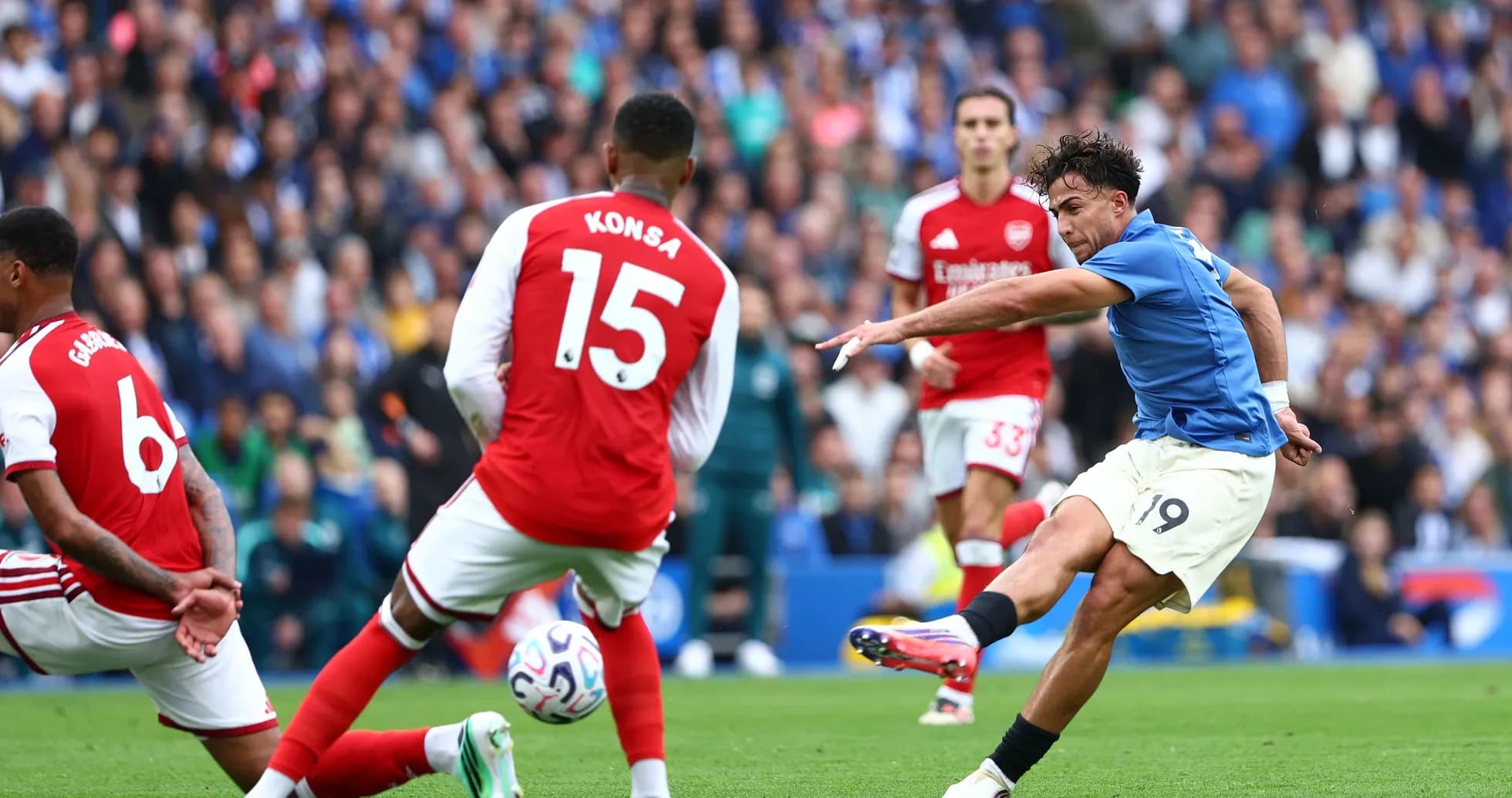
Emi Buendia picked up the ball 25 yards out in the 79th minute and unleashed a stunning drive into the top corner. A brilliant strike, ruthless and emphatic. As it flew in, thousands of Spurs supporters headed straight for the exits.
They missed the late flicker of resistance: Conor Gallagher pulling one back, Jan Paul van Hecke adding another – Tottenham’s first Premier League goals of the season. On paper, 3-2 looks competitive. In reality, it flattered them.
De Zerbi was furious with the manner of the collapse, particularly the second goal.
“My focus is why we concede the first goal with 10 players, we can stay stronger, communicate more and more, defend in a compact way,” he said. “In the second half we scored the goal with Kudus, offside, I don’t know if some players lost energy but we conceded an unacceptable goal.
“We knew this season Aston Villa are playing 86% more long balls than last season. We had many meetings about it… In that moment of the game we have to defend, we have to defend compact, the leaders have to be leaders.
“I am very sad and frustrated with the performance. We cannot lose this game in this way. The second goal we conceded was incredible.”
Behind the dugout, the Villa fans revelled in it. “Sacked in the morning,” they sang at De Zerbi, as he stalked his technical area, searching for solutions that never came.
Villa find their feet, Spurs lose theirs
This was a big afternoon for Aston Villa too.
They arrived with just one league win all season and three defeats from four. A club that has spent more than £250m to rebuild after high-profile exits needed a statement result to steady their own transition.
They got it.
McGinn, their £2.75m captain from Hibs, outshone Sandro Tonali, Tottenham’s £100m midfielder from Newcastle. Suzuki, in goal, repelled Savio three times and radiated calm. Jackson and Buendia took their chances with conviction.
Villa looked like a side beginning to settle into a new shape. Spurs looked like a club trying to spend their way out of trouble and finding only more questions.
Omar Marmoush, brought in to add goals, offered little. Savio faded after a bright start. The structure buckled under pressure. The old frailties – game management, mentality, leadership – all resurfaced.
De Zerbi did not spare his players in his assessment of their physical and mental levels.
“I didn’t speak with the players [afterwards], I didn’t want to say anything,” he said. “The players who go to the national team, they have to play and work.
The others, Maddison, Gallagher, Solanke, Tosin, Senesi, Savio have to work more because their physical condition, I didn’t like in this game.”
A long break, and even longer questions
For the first time since 1986, Tottenham have started a league campaign with five games without a win. Back then, the club had time and room to grow out of it. Today, the scrutiny is harsher, the investment far greater, the patience thinner.
The international break offers a pause, but no escape.
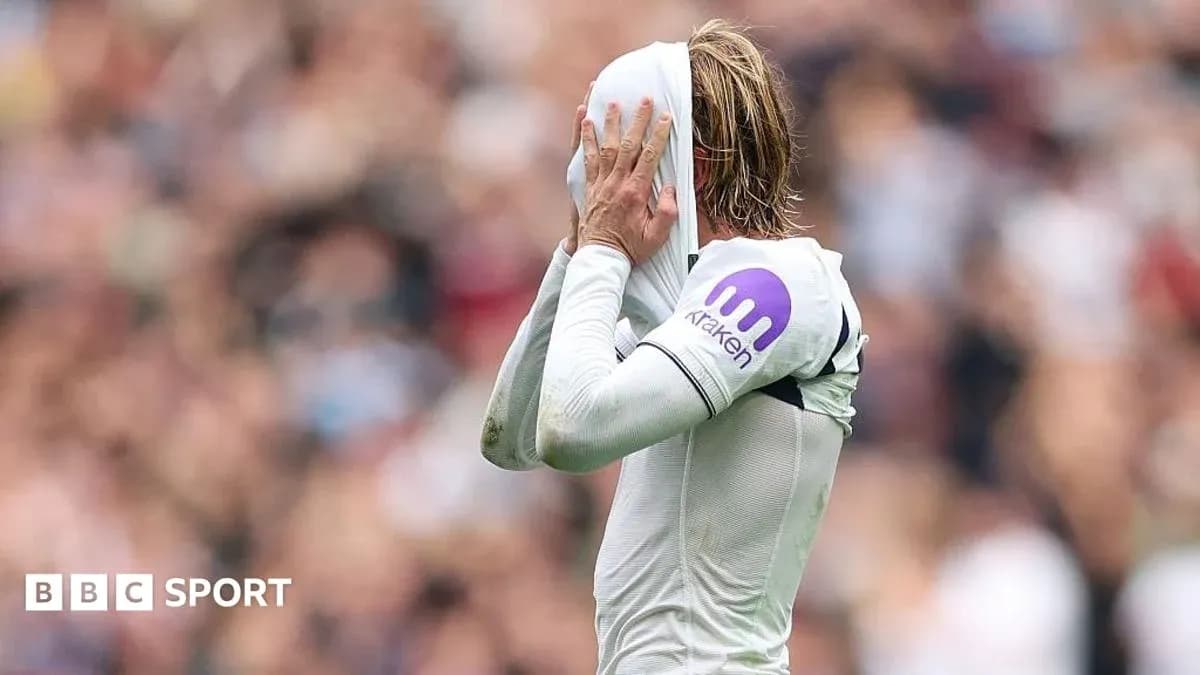
De Zerbi insists the responsibility is his. The metrics suggest progress. The table screams trouble. The stands, half-empty before full-time, hint at a support that has seen this film too many times.
When Spurs return, the numbers won’t matter. Only one will: zero league wins. How long can a project built on promise survive results like these?