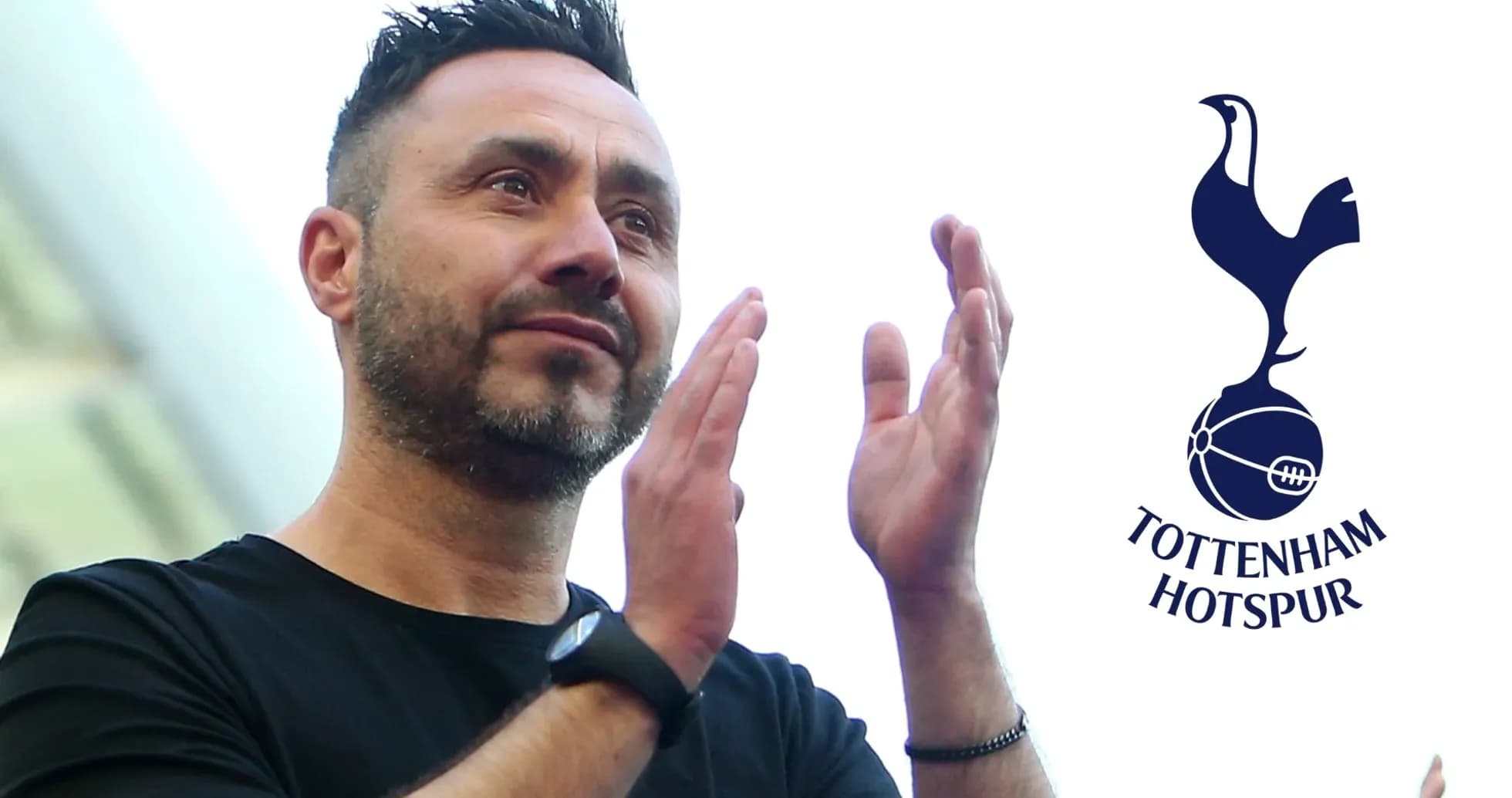
Tottenham's Future with Roberto De Zerbi: Building a Squad for Success
In modern football, the dugout no longer rules the market. Recruitment cells, data teams and sporting directors sift through shortlists while the head coach waits to see who walks through the door. Power has shifted upstairs.
Tottenham may be no different in the coming weeks. Another window is open, global scouting networks are humming, and names that “fit the mould” are already being pushed across desks in north London.
Yet one truth hasn’t changed: the man on the touchline has to make it all work. He has to weld a squad into a team, drag form out of fragile confidence, and live with the consequences when it goes wrong. If he is to be judged on results, he needs a real say in the tools he’s given.
Roberto De Zerbi is not built to be a passenger in that process.
The Italian is combustible, demanding, utterly clear about how he wants his sides to play. He does not stand quietly in the corner while others sketch out his future. Those around him are expected to fall into line, not the other way round.
Tottenham have gambled that this edge is exactly what they need. After back-to-back 17th-place finishes and two seasons spent staring into the relegation abyss, they have handed De Zerbi the keys and asked him to drag a listing club back towards the elite.
For former Spurs goalkeeper Brad Friedel, the choice of manager is not the issue. The real test is whether the club actually lets him shape the dressing room in his own image.
“They’ll flip the script now,” Friedel told GOAL, speaking in association with MrQ, when asked if a third straight relegation fight could be looming in 2026-27. “They have the right guy in De Zerbi. I just hope they let him get who he wants in the summer.”
That hope comes with a dose of realism. Tottenham generate serious revenue but still talk in the language of prudence. Budgets matter. Wage structures matter. Even so, Friedel’s message is blunt: within those limits, back the coach.
“I know they’re going to have to do it financially prudent,” he said. “I know they bring in a great deal of revenue, but let De Zerbi get what he wants to a point, at least.
“Let’s say they’re going to go for six players. Let at least three of them be De Zerbi’s guys, like solely De Zerbi’s guys. He knows what he wants. He knows how he wants his teams to play.”
That last line is the crux. De Zerbi arrives with a clearly defined idea of football, not a vague philosophy. High risk, high tempo, aggressive with and without the ball. To make that work, he needs specific profiles, not just good players in abstract.
Friedel has already seen what happens when De Zerbi is dropped into chaos. He points to the job the Italian has just completed: inheriting a squad riddled with injuries to key players and drained of belief, yet still finding a way to survive in the Premier League.
“He took one of the squads with the highest injury record of impact players and the lowest confidence level of any team in the Premier League, and he managed to get them to survive,” Friedel said.
Survival was hardly serene. Spurs clung on, helped, as Friedel openly admits, by fine margins and a timely stroke of fortune.
“And, you know, maybe with a little luck as well with the Aston Villa team selection on the day when they played each other – it was by the skin of their teeth that they stayed up.”
That escape should sharpen minds rather than soften them. Tottenham have stared long enough at the trapdoor to know they cannot drift through another window on autopilot, stockpiling players who look good on a spreadsheet but don’t quite fit the manager’s demands.
Friedel’s advice cuts through the noise.
“Don’t overcomplicate things. De Zerbi is a good coach, and he knows, in his system, how he wants to play. So I hope they recruit to his style, and then I think you could actually see a very quick resurrection in them into the top six.”
The message is clear. Tottenham have their man. The next step is brutal in its simplicity: either build a squad for De Zerbi, or brace for another season spent looking over their shoulder instead of up at the top six.