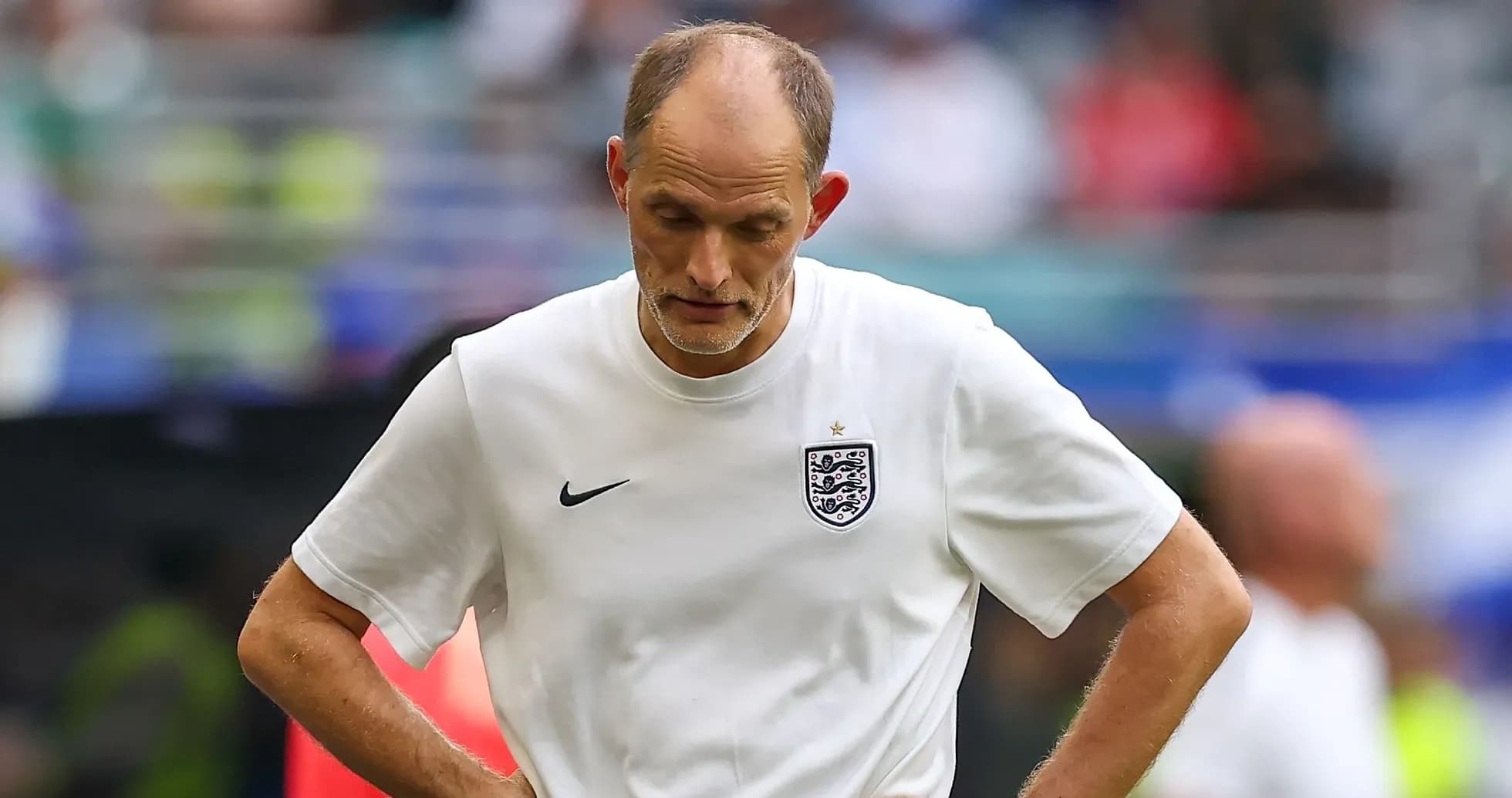
Tuchel’s Tactical Admission on England’s World Cup Defeat
Anthony Gordon’s goal was supposed to be the moment. The one that sent England surging towards a World Cup final. Instead, it became the high point of a night that still haunts Thomas Tuchel.
England’s lead over Argentina dissolved in the closing stages, their composure shredded as the South Americans launched a ruthless late assault. At the time, Tuchel pointed to an old English failing – an inability to keep the ball under pressure – and framed the collapse as something almost cultural.
He doesn’t see it that way anymore.
Tuchel’s tactical admission
On the FA’s documentary Reflections: England's World Cup Journey, the England manager strips the night back to its rawest details and turns the blame on himself. The key mistake, he now says, was tactical. And it came far too early.
Sensing his players were drained by a brutal travel schedule – time zones, long flights, altitude, the lot – Tuchel panicked. He felt the occasion swallowing them. So he retreated.
"We conceded a chance just before the water break. I thought we will not survive. This is death," he recalled. "I thought: ‘OK, let’s change to a back five, a 5-4-1.’ It was too early for that mindset."
That shift invited Argentina on. From that moment, they dictated. England’s World Cup hopes were slowly, then suddenly, ripped apart.
A scar that won’t fade
Tuchel speaks about the defeat like someone describing an injury that never quite healed. He still cannot bring himself to watch the full 90 minutes.
"Agony of epic proportions. I watched the clips with my coaches just last week when we were at SGP," he said. "My mind always works forward, forward. Painful. I see it now for the first time from the commentators’ point of view. It’s my scar, the players’ scar, I have to live with it. No-one is hurt more than me. It is torture."
For a coach who prides himself on analysis, that admission says everything. The game is too raw to revisit in full. Only short clips. Only in the safe company of his staff at St George’s Park.
The moment everything shifted
Tuchel insists England were in the game for a long time. Gordon’s opener had settled them. The first half, he felt, was controlled, even.
"We prepared so well. I think we did quite well in the first half, it was quite an even match and I felt we were there," he said.
Then came the second half. And one challenge that changed everything.
"The famous tackle of Djed Spence. And it did something to me, it did something to the players and it was a shift in the mindset. We played like we had four minutes left but there was half an hour left."
From that point, England stopped playing the game in front of them and started playing the scoreboard. They clung to their lead as if the final whistle was seconds away, not 30 long minutes.
They leaned on "brotherhood" and "mentality", as Tuchel put it, trusting individual quality and team spirit to drag them over the line. Argentina matched that and then raised it.
"Argentina have that as well - brotherhood, mentality, they bring it all to the table and it means the world to them. Argentina played very, very quickly. They had nothing to lose."
England, by contrast, had everything to lose. And lost it.
Lessons in defeat
The travel, Tuchel says, played its part. Congo, Miami, Norway, then Mexico at altitude – a demanding route that left his squad "super tired". But he refuses to hide behind it. The key lesson, he believes, is mental and tactical: never let the scoreline hijack the way you play.
"You learn as a coach. You have to play as if it is 0-0. That includes me as well," he said.
The World Cup did not end in the final England wanted, but it did not collapse entirely either. They regrouped, steadied themselves and beat France to secure third place – a response Tuchel clearly values.
"I have a lot of people who want to see my medal. We did not achieve what we wanted. But I am still very proud of what we achieved. These players will come back hungry."
The scar remains. So does the regret over that early switch to a back five. The real question now is whether that pain becomes the fuel for a very different England story at the next World Cup.